Alexander Rossi shares important updates on IndyCar’s latest testing of new components for the new 2028 car at Indianapolis Motor Speedway that left onlookers stunned by the speeds it achieved
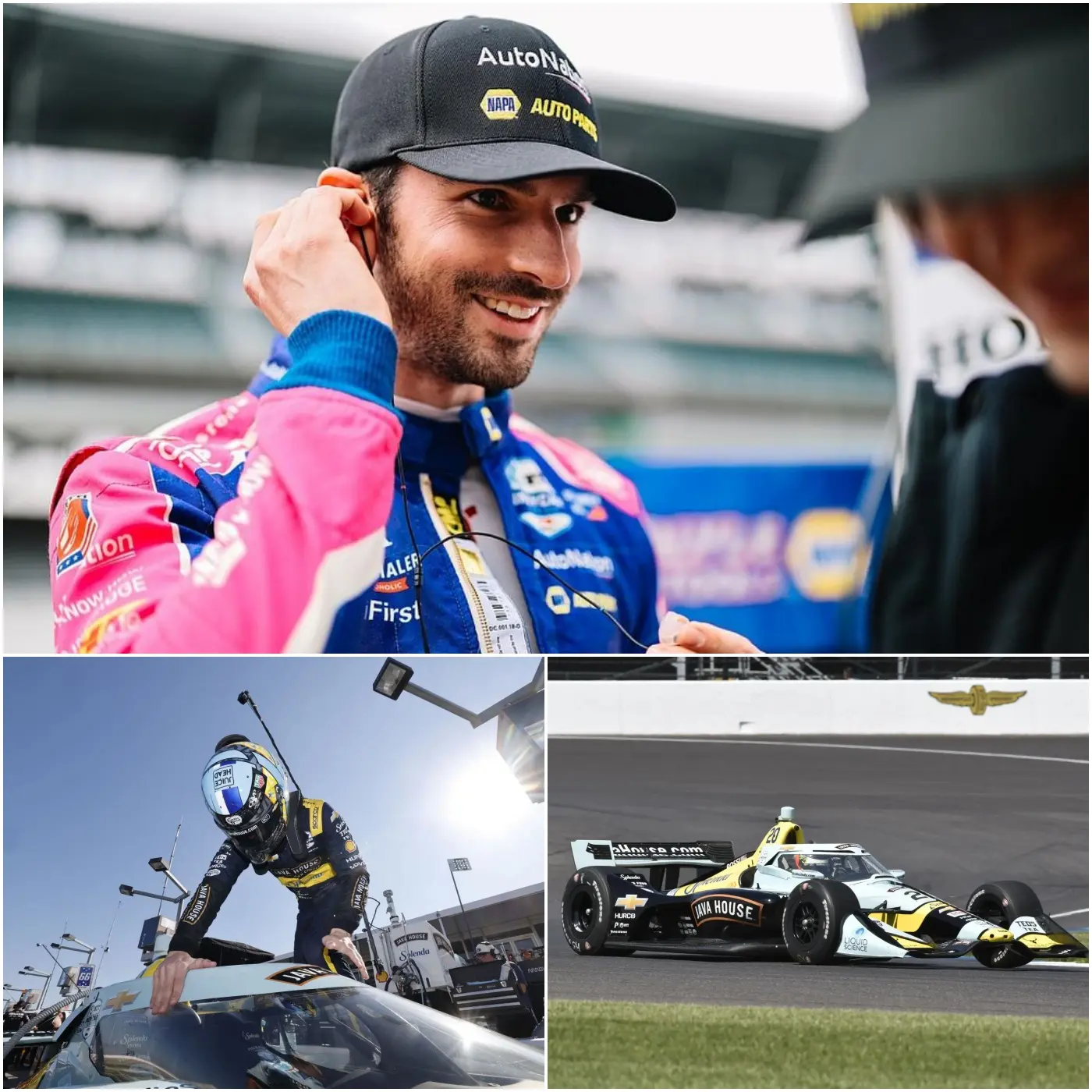
In a significant step toward the future of the NTT IndyCar Series, veteran driver Alexander Rossi recently provided key insights into a high-profile testing session at the iconic Indianapolis Motor Speedway. The two-day evaluation in late October focused on experimental components destined for the groundbreaking 2028 chassis, and the results—particularly the blistering speeds recorded—left observers at the historic 2.5-mile oval visibly impressed and buzzing with anticipation.
Rossi, the 2016 Indianapolis 500 champion now competing with Ed Carpenter Racing, joined forces with two-time Indy 500 winner Takuma Sato of Rahal Letterman Lanigan Racing for the test on October 21 and 22. While other drivers like reigning series champion Alex Palou and Pato O’Ward concentrated on Firestone tire development, Rossi and Sato zeroed in on new brake hardware targeted for potential 2026 implementation and prototype spec dampers earmarked for the all-new 2028 car. The session unfolded amid ongoing preparations for IndyCar’s next-generation machine, which promises lighter weight, enhanced power, and superior adaptability across the series’ diverse track types.
The 2028 car, often referred to in development circles as a major evolution from the long-serving Dallara DW12 chassis introduced over a decade ago, represents IndyCar’s ambitious push to elevate competition while addressing modern performance demands. Series officials have outlined plans for a weight reduction of 85 to 100 pounds, a shift to a larger 2.4-liter twin-turbocharged V6 engine, and an upgraded hybrid system delivering more deployment time and horsepower. Combined output could approach or exceed 900 horsepower, marking a notable leap from the current hybrid-assisted 2.2-liter formula that debuted its energy recovery component in 2024.
These changes aim to create a more exciting, balanced package suited to superspeedways, short ovals, street circuits, and permanent road courses alike.
During the Indianapolis test, the new brake components drew immediate praise from the drivers involved. Rossi highlighted a clear reduction in brake drag after the first day, contributing to improved stability and consistency under heavy loads. Sato echoed this enthusiasm, describing the brakes as an “enormous success” even after extended running, with minimal fade and sustained performance over multiple laps. The feedback proved so positive that Rossi later confirmed on his podcast that IndyCar intends to proceed with adopting the tested brake setup, likely for the 2026 season.
This move would standardize and optimize stopping power on ovals like Indianapolis, where precise braking into corners such as Turn 1 and Turn 3 can make or break a lap.
The spec damper evaluation, however, presented a more mixed picture. Designed as a potential series-controlled component to replace the current open-development dampers, the prototypes underwent rigorous assessment on the Speedway’s oval. While the goal was to gather data on handling, ride quality, and overall balance for the 2028 rollout, initial impressions suggested the options tested did not fully meet expectations. IndyCar competition leaders have indicated that a switch to controlled dampers remains under serious consideration, with the new chassis serving as the logical transition point.
The test provided valuable baseline information, even if it highlighted areas needing refinement before final decisions are locked in.
What truly captured attention during the session were the eye-popping speeds achieved with the modified cars. Onlookers trackside and in the pits watched in awe as the Dallara machines, fitted with the experimental parts, pushed well into the upper ranges typically reserved for peak qualifying efforts. Although exact lap times from the private test remain unofficial and unreleased in detail, reports circulated of velocities approaching or rivaling the series’ high-water marks on the oval.
The combination of reduced drag from the new brakes and the inherent grip and stability tweaks from the damper program allowed drivers to carry extraordinary momentum through the turns, resulting in straightaway speeds that stunned seasoned observers familiar with IndyCar’s capabilities.
Rossi, known for his analytical approach and candid commentary, emphasized the broader implications of the test. “These sessions are crucial for shaping what we’ll see in a few years,” he noted in post-test reflections. The data collected will inform not only component choices but also the overall aerodynamic and mechanical philosophy of the IR28 chassis, expected to feature revised driver positioning, an integrated aeroscreen, and other safety and performance enhancements.
With prototype cars slated for delivery to engine manufacturers like Chevrolet and Honda as early as mid-2026, followed by team testing in 2027, the series is on track for a smooth debut in 2028.
The involvement of high-profile drivers like Rossi and Sato underscores IndyCar’s collaborative development process. Their experience—spanning multiple Indy 500 victories and years of oval mastery—ensures that real-world feedback drives decisions. The test also coincided with other track improvements, including repaving in Turn 2, which added another layer of evaluation for future events.
As IndyCar continues its trajectory toward greater innovation, this latest evaluation at Indianapolis stands out as a milestone. The impressive speeds demonstrated the potential of the new components to unlock even higher performance levels, while Rossi’s updates provide clarity on the path forward. With brakes likely advancing soon and dampers undergoing further iteration, the series edges closer to a transformative era. Fans can expect the 2028 car to deliver heightened excitement, closer racing, and spectacle befitting the sport’s rich heritage at the Brickyard and beyond.