Anthony Santander has provided a candid update on the condition of his left shoulder, confirming that he will undergo surgery to repair a torn labrum and acknowledging that the recovery process is expected to be extensive. The news has prompted understandable concern among supporters, not because of dramatic uncertainty, but because of the practical implications such an injury carries for a professional baseball player whose performance depends heavily on upper-body strength and stability.
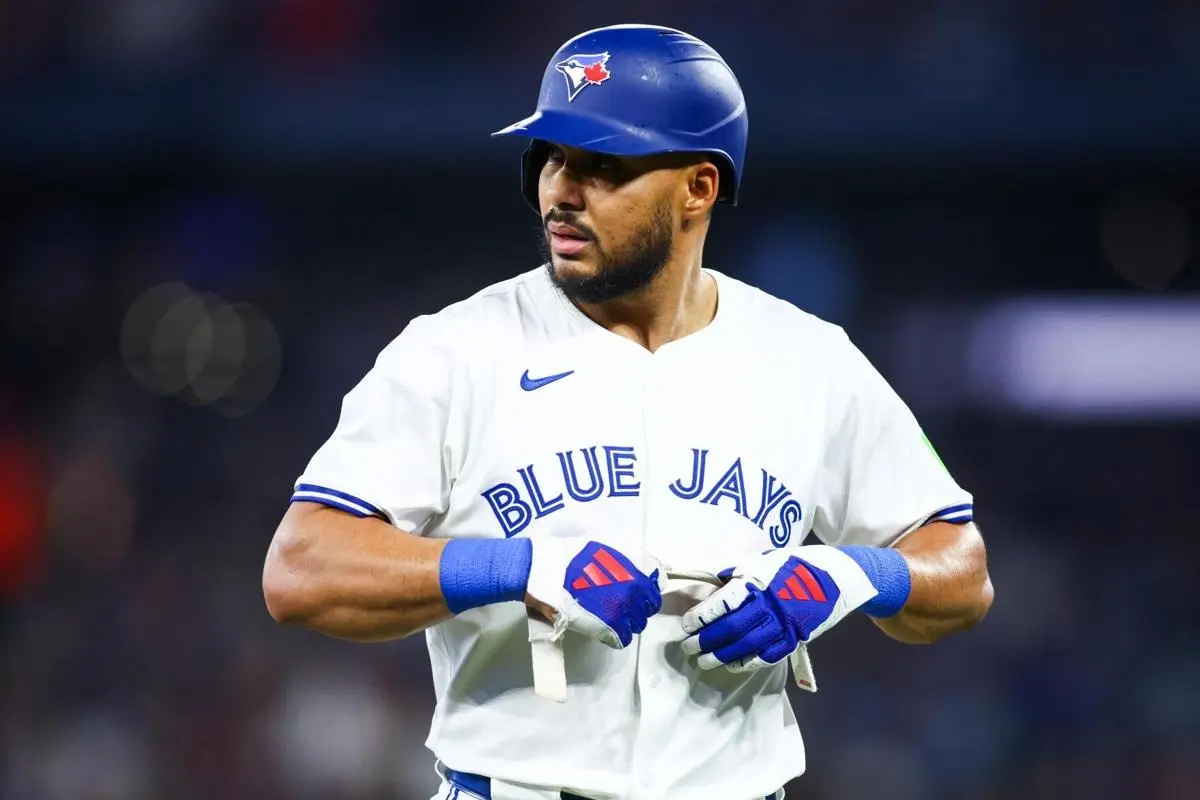
Santander explained that he had been managing discomfort in his shoulder for some time before additional imaging and medical evaluations revealed the full extent of the damage. A torn labrum, particularly in the lead shoulder for a hitter, can significantly affect both power and range of motion. For an outfielder, the injury may also interfere with throwing mechanics and defensive reliability. After consultations with team physicians and outside specialists, surgery was determined to be the most appropriate course of action to ensure long-term recovery rather than attempting to continue with conservative treatment.
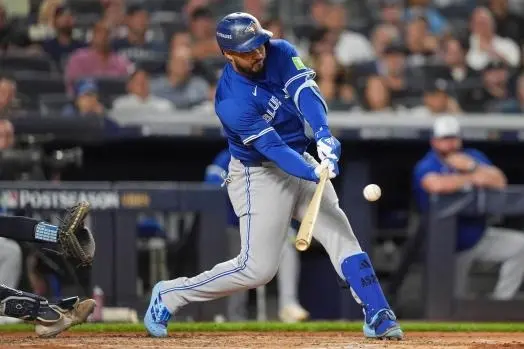
Medical staff familiar with this type of procedure have indicated that rehabilitation from labrum surgery can vary widely depending on severity, surgical technique, and individual healing response. In many cases, athletes require several months before they can resume full baseball activities. Strength rebuilding, range-of-motion exercises, and progressive throwing programs are essential components of the rehabilitation process. For hitters, regaining timing and bat speed after shoulder surgery can be just as challenging as restoring physical stability.
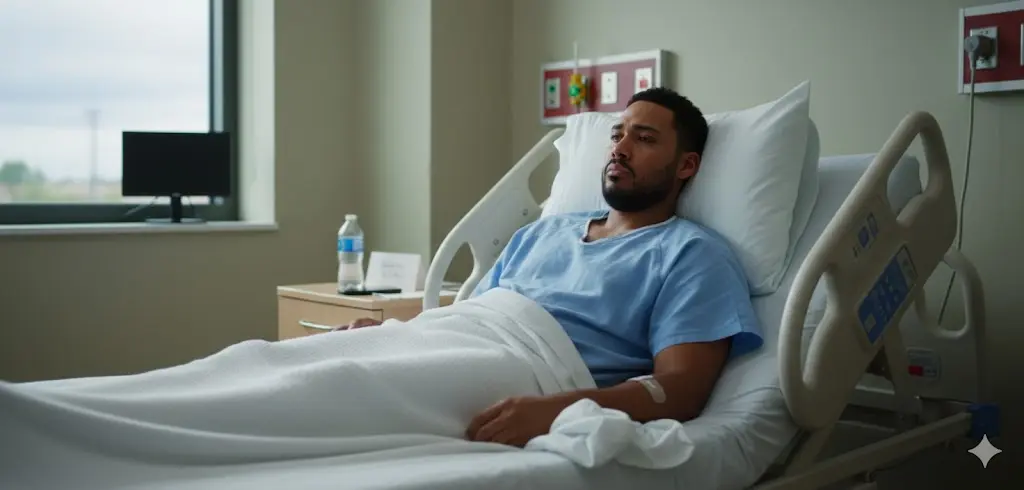
Santander emphasized that he made the decision with his long-term career in mind. “I want to come back the right way,” he said in a brief statement. “It’s not about rushing. It’s about making sure I can play at my level again.” Those comments reflect a pragmatic approach often seen among experienced players who understand that incomplete recovery can lead to lingering issues or compensatory injuries elsewhere in the body.
Within the clubhouse, teammates have voiced support and confidence in Santander’s professionalism. While the absence of a key contributor inevitably affects lineup construction and outfield depth, coaches have framed the situation as an opportunity for other players to step into expanded roles. Baseball seasons are long and often defined by how organizations respond to adversity. Developing depth and maintaining flexibility are part of that process.
From a performance standpoint, Santander has been valued not only for his power potential but also for his consistency at the plate and steady defensive presence. Shoulder injuries can be particularly complex for hitters because the labrum plays a critical role in stabilizing the joint during the rotational forces generated in a swing. Even minor instability can reduce exit velocity or alter mechanics. For that reason, medical professionals often recommend surgical correction when structural integrity is compromised.
Rehabilitation following labrum repair typically unfolds in phases. The initial stage focuses on protecting the surgical repair while gradually restoring passive motion. This is followed by controlled strengthening exercises aimed at rebuilding muscle balance around the shoulder joint. Later phases introduce sport-specific drills, including dry swings, soft toss, and eventually live batting practice. Throwing progression is similarly structured, beginning with short, light tosses and advancing incrementally over weeks or months.
Doctors associated with the case have reportedly outlined a timeline that extends well beyond a typical short-term injured list stint. Although no precise return date has been guaranteed, the emphasis has been placed on full functional recovery rather than calendar-based milestones. In professional sports, such transparency is increasingly common, as teams and athletes prioritize durability over accelerated comebacks.
Fans have expressed concern largely because shoulder injuries can be unpredictable. Some players return at full strength, while others require additional time to regain confidence in their mechanics. However, advancements in surgical techniques and sports rehabilitation over the past decade have significantly improved outcomes. Many athletes have successfully resumed high-level competition following labrum repair, particularly when rehabilitation protocols are carefully managed.
Sports medicine specialists note that mental resilience is as important as physical recovery in these situations. Extended rehabilitation periods can test an athlete’s patience and motivation. Structured daily routines, consistent communication with trainers, and incremental performance goals are critical in maintaining progress. Santander’s reputation as a disciplined and team-oriented player may serve him well during this period.
Organizational leadership has also conveyed confidence in the medical staff overseeing the procedure and subsequent recovery plan. Teams at the professional level typically collaborate with orthopedic surgeons who specialize in sports-related injuries, ensuring that treatment strategies align with the demands of elite competition. Post-surgery monitoring often includes biomechanical analysis to detect any subtle changes in swing or throwing patterns.
From a roster management perspective, the absence of a regular contributor creates both challenges and opportunities. Younger players may receive additional playing time, while coaches adjust defensive alignments and batting orders to maintain competitive balance. In the long term, successful recovery could position Santander to return refreshed and structurally sound, potentially extending his productive years.
Historically, shoulder surgeries have ended or significantly altered some careers, but modern rehabilitation science has shifted that narrative. Athletes now benefit from individualized therapy programs, nutrition plans designed to support tissue healing, and advanced strength-training methodologies. Recovery is no longer viewed as a passive waiting period but as an active, data-informed process.
Santander’s decision to address the injury surgically rather than delay intervention may ultimately reflect foresight. Continuing to play with structural damage can sometimes exacerbate the condition, leading to secondary complications such as rotator cuff strain or chronic instability. Early correction often improves long-term outcomes, even if it temporarily sidelines the athlete.
As the procedure approaches, supporters have taken to social media to offer encouragement and well wishes. The tone has largely been supportive, recognizing that health must take precedence over short-term performance. While the prospect of an extended absence is disappointing, there is widespread understanding that a complete recovery is the priority.
In the broader context of a baseball season, injuries are an unfortunate but routine element of competition. Teams that navigate them effectively often demonstrate resilience and organizational depth. For Santander personally, this period may represent both a challenge and an opportunity—an opportunity to return with renewed stability and perhaps even refined mechanics following targeted rehabilitation.
Ultimately, the timeline outlined by doctors underscores a cautious and comprehensive approach. Rather than framing the situation in dramatic terms, it is more accurately viewed as a structured medical intervention followed by a methodical rebuilding phase. If the process proceeds as planned, Santander’s long-term outlook remains positive. The path back to the field may be gradual, but it is grounded in established medical practice and a commitment to sustainable performance.
For now, the focus shifts to preparation for surgery, postoperative care, and the disciplined work that rehabilitation demands. Baseball careers are often defined not only by statistics and highlights but by how players respond to adversity. Santander’s measured response and willingness to prioritize recovery suggest that, despite the lengthy timetable, he is positioning himself for a stable return when the time is right.