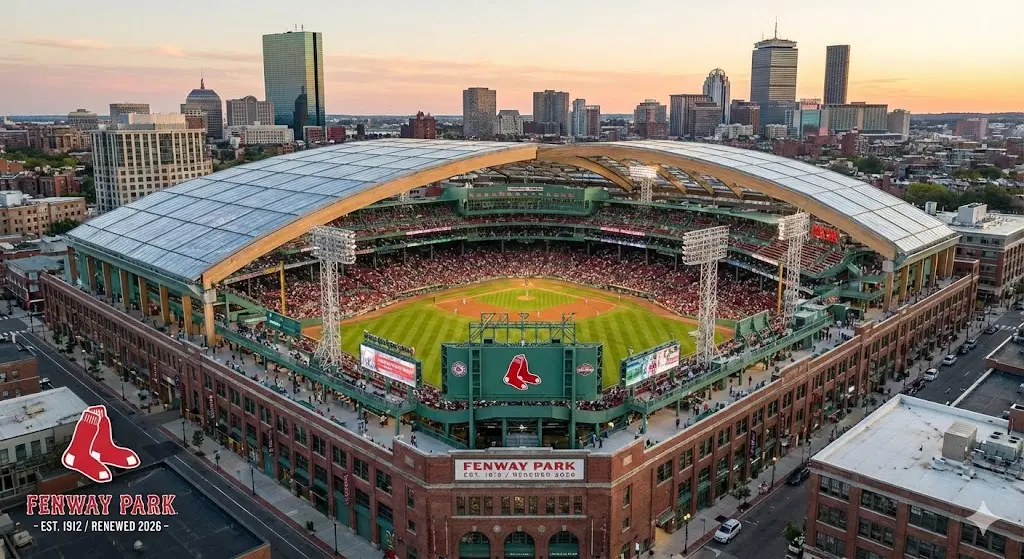
The Boston Red Sox have unveiled an ambitious $3.4 billion stadium modernization plan for Fenway Park, the historic home of the team since 1912. This sweeping initiative, backed by major investors and led by Fenway Sports Group (FSG), aims to transform the iconic ballpark into a state-of-the-art venue while preserving its legendary charm. The announcement has sent ripples through Major League Baseball, as it positions Fenway not just as a baseball stadium but as a year-round entertainment and cultural destination in the heart of Boston.
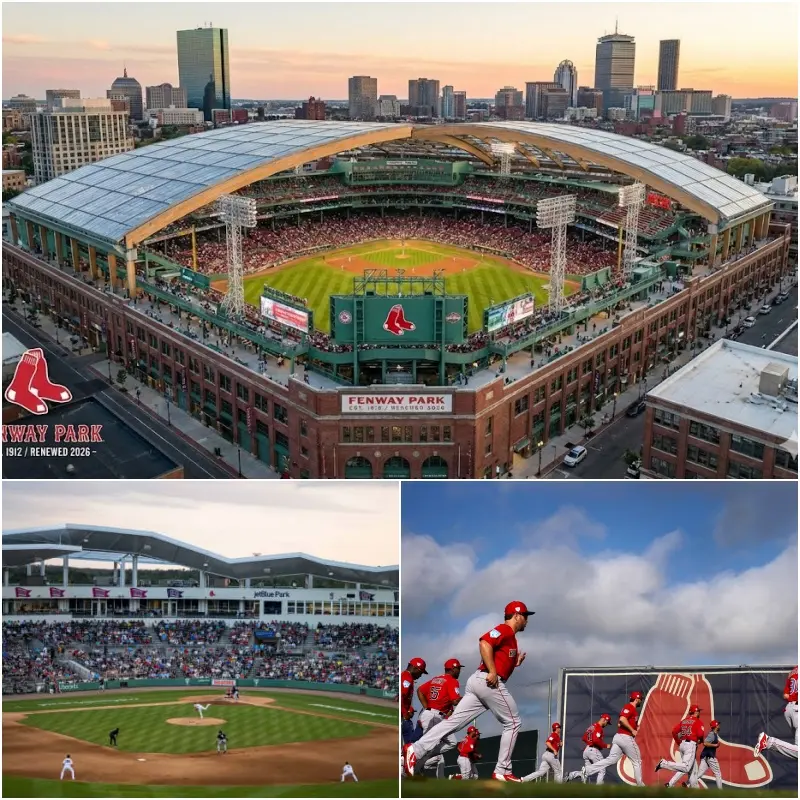
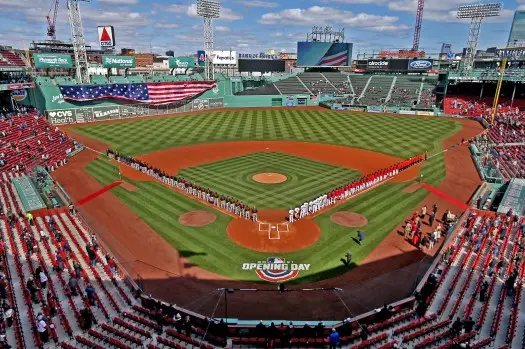
At the core of the plan is a comprehensive upgrade to Fenway Park itself. The project includes modernizing seating arrangements for improved sightlines and comfort, incorporating advanced technology such as high-speed 5G connectivity throughout the facility, and enhancing fan amenities with new hospitality spaces. These changes seek to elevate the in-game experience without erasing the unique quirks that make Fenway one of the most beloved venues in sports, including the famous Green Monster in left field.
The upgrades draw on decades of incremental investments by FSG, which has already poured hundreds of millions into preservation and modernization efforts since acquiring the team in 2002. Recent recognitions, such as Fenway being named the most environmentally efficient ballpark in terms of embodied carbon, underscore the organization’s commitment to sustainable restoration over replacement.
Beyond the ballpark’s interior, the vision expands outward into a broader redevelopment of the surrounding area. A key component is the addition of a luxury hotel adjacent to the stadium, designed to offer premium accommodations for visitors attending games, concerts, or other events. This hotel would integrate seamlessly with the Fenway experience, providing guests with direct access to the action and turning the venue into an overnight destination. Entertainment facilities are also central to the plan, with proposals for year-round programming that extends far beyond the baseball season.
These could include concert venues, interactive exhibits, and multipurpose spaces capable of hosting conventions, festivals, and community gatherings. Such additions would ensure Fenway remains vibrant throughout the calendar year, much like how modern stadiums in other leagues have evolved into multifaceted entertainment hubs.
Retail expansion forms another pillar of the $3.4 billion initiative. The project envisions new shopping zones featuring a mix of local businesses, team-branded stores, and high-end outlets. This would build on existing retail around the ballpark while creating additional economic activity in the Fenway-Kenmore neighborhood. Developers emphasize a “people-first” approach, prioritizing pedestrian-friendly designs, public open spaces, and infrastructure that supports biking and walking. These elements aim to foster a lively, community-oriented atmosphere that respects Boston’s heritage while embracing contemporary urban planning principles.
A standout feature of the plan is the emphasis on a unique Boston heritage experience. This would involve immersive, interactive elements that celebrate the rich history of the Red Sox and Fenway Park—from the era of Babe Ruth and the curse-breaking 2004 World Series to modern icons like David Ortiz. An interactive museum or hall of fame-style attraction could recount these stories through cutting-edge displays, virtual reality experiences, and memorabilia exhibits. The goal is to create something unprecedented in baseball: a venue that educates and entertains visitors about the sport’s past while delivering a forward-looking, modern feel.
This heritage focus sets the project apart, blending nostalgia with innovation in a way that honors Fenway’s status as one of the oldest active ballparks in professional sports.
The financial backing for this massive undertaking comes from a coalition of major investors aligned with FSG. The ownership group, which also controls Liverpool FC in the Premier League and the Pittsburgh Penguins in the NHL, has a track record of strategic investments in sports infrastructure. Partnerships with real estate developers like WS Development and others involved in the Fenway Corners project provide the expertise needed to execute such a large-scale redevelopment.
While earlier phases of surrounding development, such as a proposed office and retail building on Lansdowne Street, have drawn attention—and some fan concern over potential impacts on views of the Green Monster—the overall plan appears designed to complement rather than overshadow the stadium. Construction timelines suggest work could begin as early as mid-to-late 2026, with phased implementation to minimize disruption to the Red Sox schedule.
The announcement has sparked widespread discussion across the league. In an era when many MLB teams have built entirely new stadiums with public funding, the Red Sox’s approach stands out for its focus on enhancing an existing historic asset. Critics may worry about the scale of change to such an irreplaceable venue, but supporters argue that without bold modernization, Fenway risks falling behind in fan expectations and revenue generation. The project is projected to create thousands of jobs during construction and operation, while boosting tourism and local commerce in Boston.
Economically, it could generate significant returns through increased ticket sales, premium seating, sponsorships, and non-baseball events.
For Red Sox fans, the plan represents both excitement and a touch of sentimentality. Fenway Park’s quirks—the tight seating, the manual scoreboard, the intimate feel—are part of what draws generations back year after year. The modernization effort promises to retain these elements while addressing long-standing issues like outdated infrastructure and limited amenities. Leadership has stressed that the Green Monster and other signature features will remain untouched, ensuring the soul of the ballpark endures.
As details continue to emerge, this $3.4 billion vision could indeed reshape the landscape of modern baseball. By turning Fenway into a multifaceted destination that celebrates history while embracing the future, the Boston Red Sox are positioning their home as a model for how storied franchises can evolve without losing their identity. The coming years will reveal how this bold plan unfolds, but for now, it stands as one of the most ambitious undertakings in the sport’s recent history.