The recent announcement by the Toronto Blue Jays regarding a comprehensive $3.4 billion modernization initiative marks a significant milestone in the evolution of professional sports infrastructure in Canada. Rather than presenting the project as a dramatic departure from tradition, club executives have emphasized continuity, sustainability, and long-term community value. The plan centers on the transformation of the area surrounding the Rogers Centre, aiming to create a dynamic urban district that integrates sport, hospitality, retail, and cultural experiences within a single, thoughtfully designed environment.
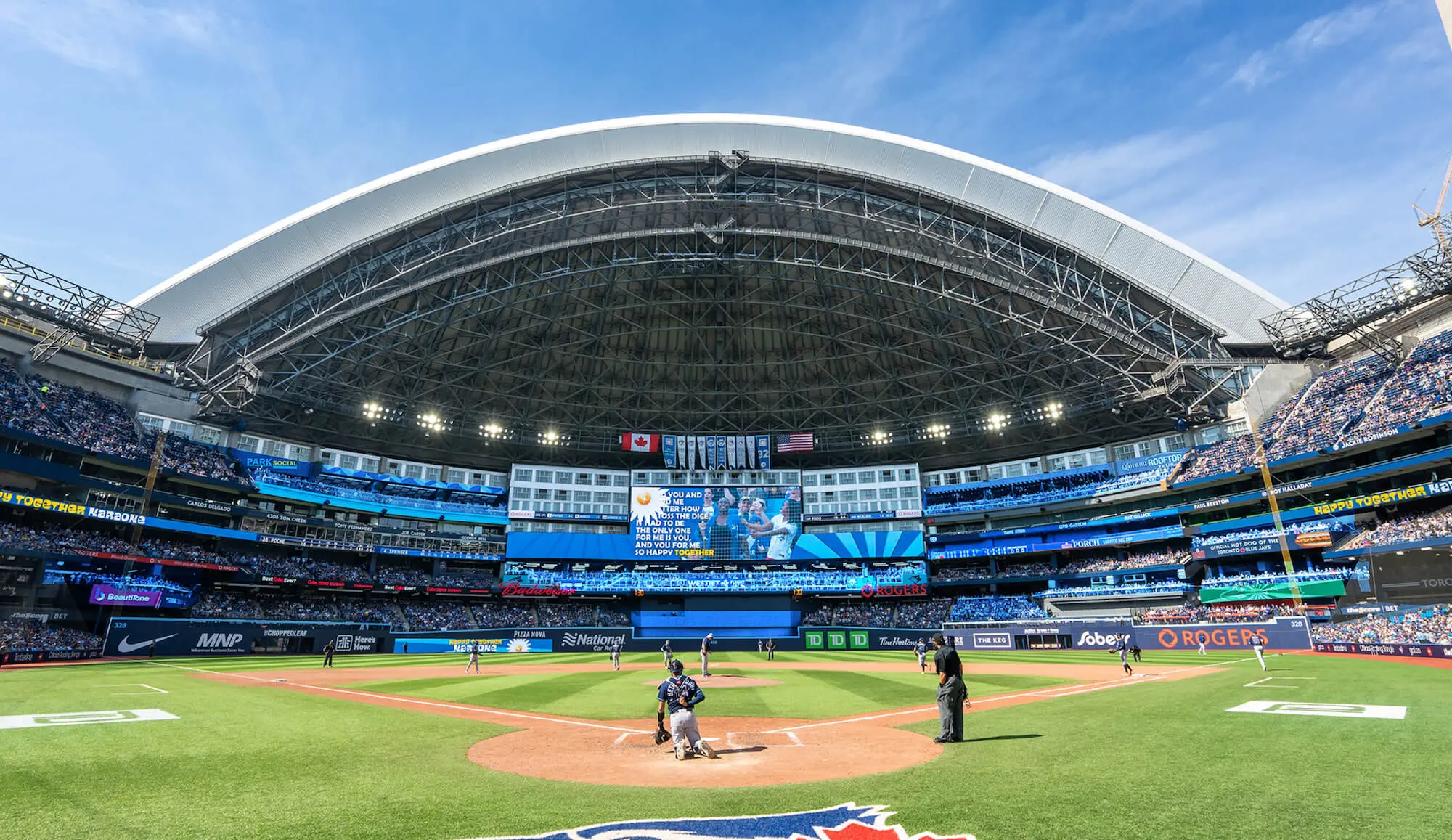
At its core, the initiative reflects broader trends within Major League Baseball and other global sports competitions, where teams increasingly view stadiums not merely as venues for games but as year-round destinations. The Rogers Centre, opened in 1989, was once celebrated as a cutting-edge facility, particularly for its retractable roof. Over the decades, however, expectations around fan engagement, digital integration, and mixed-use development have evolved. The Blue Jays’ leadership has framed this modernization not as a replacement of history but as an adaptation to contemporary realities.
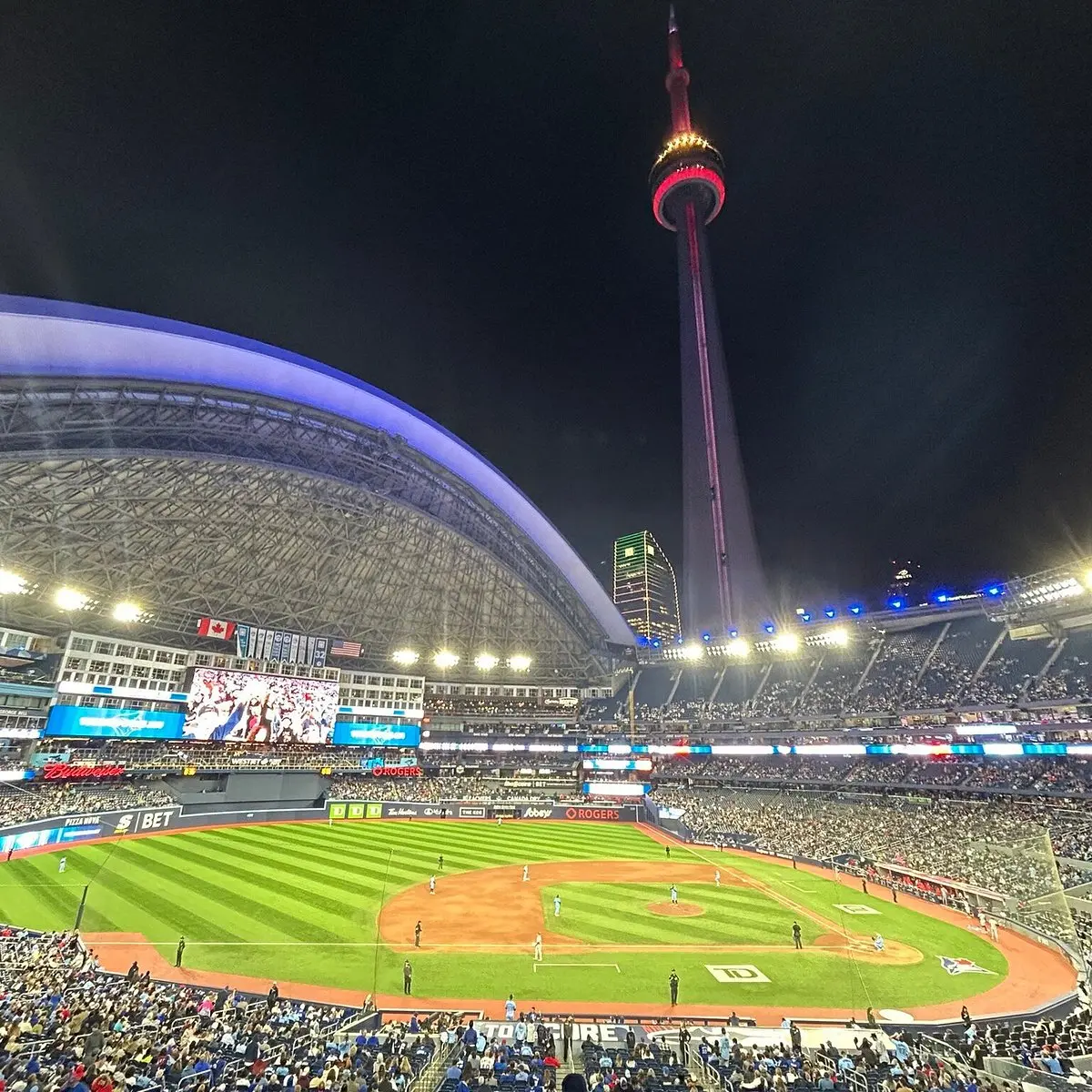
The proposed upgrades to the stadium itself focus on enhancing comfort, accessibility, and technological capability. Plans include redesigned seating configurations intended to improve sightlines and bring fans closer to the field, expanded concourse areas to reduce congestion, and advanced audiovisual systems designed to enrich the in-game experience without overwhelming it. Emphasis has also been placed on sustainability measures, such as energy-efficient lighting, water conservation systems, and environmentally responsible construction materials. These features align with broader municipal and provincial goals related to climate resilience and responsible urban growth.

Beyond the ballpark structure, the development blueprint envisions a mixed-use complex that integrates a luxury hotel, conference facilities, entertainment venues, and expanded retail spaces. Club representatives have noted that the inclusion of a hotel responds to growing demand from visiting fans, business travelers, and event organizers. By situating accommodations within immediate proximity to the stadium, the organization hopes to attract conventions, international exhibitions, and cultural events that extend the district’s relevance beyond the baseball season.
Retail and dining components are also central to the project. Rather than relying solely on national chains, planners have indicated an intention to incorporate local businesses and culinary partners, reflecting Toronto’s diverse cultural landscape. The design philosophy prioritizes walkability and connectivity, ensuring that the district integrates seamlessly with surrounding neighborhoods and public transit networks. Urban planners involved in the project have stressed the importance of preserving pedestrian flow and maintaining open public spaces that remain accessible even on non-game days.
One of the more distinctive elements of the proposal is the introduction of a heritage-focused exhibition space inspired by the traditions of FC Bayern Munich. While baseball and European football operate within different sporting cultures, the concept aims to highlight how global sports institutions can cultivate strong identities rooted in history, youth development, and community outreach. The envisioned heritage experience would combine interactive displays, archival materials, and multimedia storytelling to celebrate both the Blue Jays’ legacy and broader themes of international sporting excellence.
Club officials have described the initiative as an opportunity to foster cross-cultural dialogue rather than to blur distinctions between sports.
Financially, the $3.4 billion valuation reflects not only construction costs but also long-term investment in surrounding infrastructure. The project is supported by a consortium of private investors, with the club indicating that public funding components will be approached transparently and in accordance with municipal guidelines. Economic analysts suggest that developments of this scale can generate substantial employment during the construction phase, followed by sustained job creation in hospitality, retail, and facility management sectors.
Critically, the Blue Jays have emphasized community consultation throughout the planning process. Public forums, stakeholder meetings, and digital surveys have been organized to gather input from residents, local businesses, and fans. Concerns raised during these discussions have included traffic management, housing affordability, and the preservation of neighborhood character. Project leaders have responded by outlining mitigation strategies, such as improved transit coordination and commitments to maintain open-access community programming within the new district.
From a sporting perspective, the modernization is intended to reinforce the team’s competitiveness both on and off the field. Enhanced facilities can contribute to player performance and recovery, while upgraded training and analytics spaces may strengthen recruitment and development programs. In contemporary professional sports, infrastructure quality often influences an organization’s ability to attract top talent. By investing in state-of-the-art resources, the Blue Jays aim to position themselves favorably within an increasingly competitive league environment.
The hospitality and entertainment components are designed to diversify revenue streams, reducing reliance on ticket sales alone. Year-round activation of the district could stabilize financial performance during off-season months and provide resilience against fluctuations in attendance. This diversified approach reflects lessons learned across global sports markets, where integrated developments have demonstrated the capacity to sustain long-term growth.
Urban development experts have observed that stadium-centered districts can function as catalysts for broader regeneration. When executed thoughtfully, such projects may stimulate adjacent investment in housing, transportation, and cultural institutions. Toronto’s downtown core already benefits from strong infrastructure and tourism appeal, yet the Blue Jays’ proposal seeks to enhance connectivity between the waterfront, entertainment corridors, and financial districts. By situating the modernization within an existing urban fabric, planners aim to avoid the isolation sometimes associated with standalone sports complexes.
Importantly, the organization has been careful to frame the project in measured terms. Rather than presenting it as a dramatic upheaval, club representatives describe it as a strategic evolution grounded in research and community partnership. This tone has resonated with many observers, who note that sustainable development requires patience, transparency, and realistic timelines. Construction phases are expected to unfold over several years, with efforts made to minimize disruption to ongoing baseball operations.
The cultural dimension of the project also warrants attention. Baseball holds a distinctive place in Toronto’s sporting identity, and the Rogers Centre has hosted memorable moments since the team’s inception. Any modernization effort must therefore balance innovation with preservation. Plans reportedly include dedicated spaces that commemorate historic achievements, celebrate past players, and document the franchise’s role within the city’s multicultural narrative. By embedding heritage within a contemporary framework, the club seeks to maintain continuity across generations of supporters.
Economic forecasts associated with the development have been approached cautiously. While investment of this magnitude naturally attracts optimistic projections, independent analysts have highlighted the importance of realistic assumptions regarding visitor numbers and retail performance. Club officials have indicated that feasibility studies underpin the proposal, incorporating data from comparable projects across North America and Europe. Transparency in these projections will likely remain central to public confidence as the initiative progresses.
Another key aspect involves technological integration. Modern stadiums increasingly rely on high-speed connectivity, mobile ticketing platforms, and data-driven personalization of fan experiences. The Blue Jays’ plan includes advanced digital infrastructure capable of supporting immersive features while respecting privacy standards. Enhanced connectivity could also facilitate hybrid events, such as conferences or esports competitions, further broadening the district’s appeal.
Transportation planning will be crucial to the project’s success. The Rogers Centre already benefits from proximity to major transit lines, yet increased year-round activity may necessitate upgrades to pedestrian pathways and traffic coordination. Municipal authorities are reportedly collaborating with the club to assess capacity requirements and ensure that growth aligns with citywide mobility strategies.
In assessing the broader implications, it becomes clear that the modernization represents more than a construction endeavor. It reflects an evolving philosophy about how sports institutions interact with urban environments and global audiences. By integrating hospitality, retail, heritage, and sustainability within a cohesive framework, the Blue Jays aim to create a space that serves multiple constituencies simultaneously.
Ultimately, the initiative’s long-term impact will depend on careful execution and sustained dialogue with stakeholders. Large-scale developments inevitably encounter logistical and financial complexities, yet transparent governance and incremental implementation can mitigate risks. If realized as envisioned, the transformed Rogers Centre district may stand as an example of how professional sports organizations can adapt to contemporary expectations while honoring their traditions.
For fans, the project offers the promise of enhanced comfort and enriched engagement. For the city, it presents opportunities for economic stimulation and cultural vitality. For the organization itself, it represents a strategic investment in stability and growth. Rather than redefining the sporting landscape overnight, the modernization seeks to build gradually upon established foundations, ensuring that baseball in Toronto continues to thrive within a modern, inclusive, and forward-looking environment.