The controversial decision by the Melbourne Cup organizers proved correct after updates on the horse that finished last. This prompted the International Federation of Horse Racing Associations (IFHA) to tighten regulations on smart helmets and next-generation protective gear, which had been controversial due to concerns about rider safety and comfort.
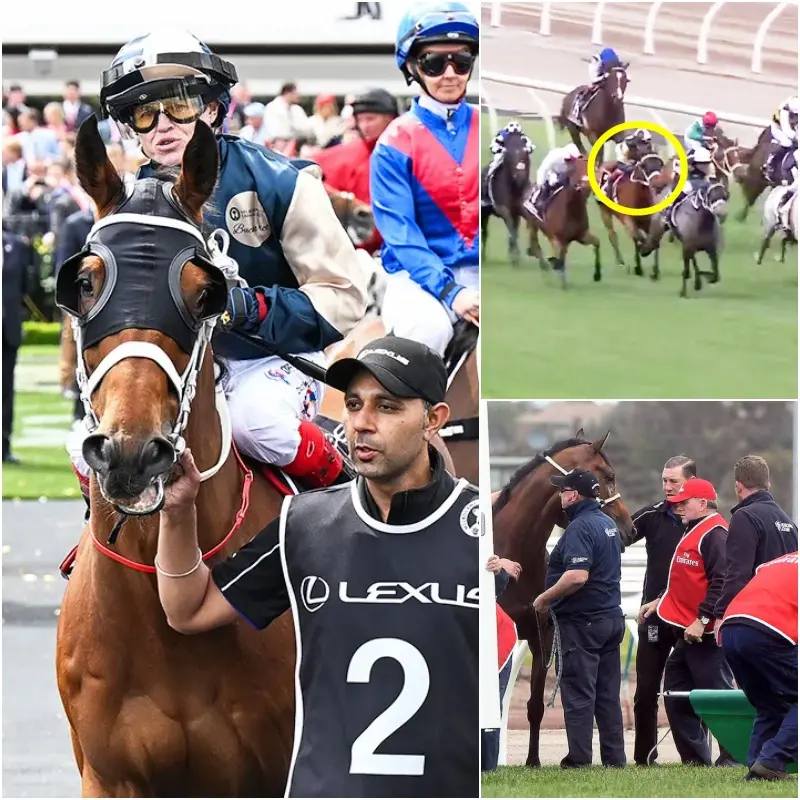
In the aftermath of the 2025 Melbourne Cup, held on November 4 at Flemington Racecourse, one of the most debated moments centered on Buckaroo, the Chris Waller-trained gelding who crossed the line in last place. Buckaroo, a strong contender with a solid recent form including a close second in the Cox Plate, entered the $10 million feature as a hope for many punters and connections. However, the race unfolded dramatically for the horse when jockey Craig Williams noticeably eased him down in the final stages, allowing the field to pull away while Buckaroo coasted home well behind the leaders.
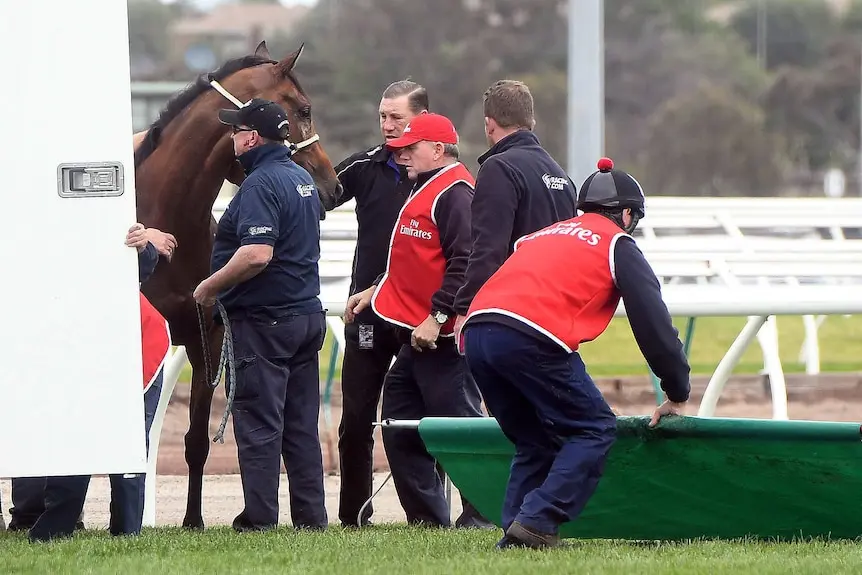
Spectators and online viewers immediately raised alarms. Social media erupted with concern over the horse’s welfare, with some questioning whether Buckaroo had suffered a serious injury or if the decision to pull him up reflected poorly on the event’s veterinary protocols. Critics argued that allowing a horse to continue under duress highlighted ongoing issues in thoroughbred racing, where public scrutiny over animal welfare has intensified in recent years. Others defended the move, suggesting Williams had acted responsibly to prevent further harm.
Post-race veterinary examinations quickly provided clarity. Racing Victoria stewards confirmed that Buckaroo had experienced exercise-induced pulmonary hemorrhage (EIPH), a condition where blood enters the lungs due to intense exertion, often leading to breathing difficulties. This explained the horse’s labored performance and Williams’ prudent choice to ease off rather than push through the final furlongs. Trainer Chris Waller and owner Ozzie Kheir both issued statements reassuring the public that Buckaroo had pulled up fine, with no need for veterinary treatment beyond standard recovery protocols.
Williams himself noted that the horse “wasn’t breathing right,” justifying his handling of the ride, while emphasizing Buckaroo’s proven quality on better days.
The incident spotlighted Racing Victoria’s stricter pre-race procedures introduced in recent years, including mandatory advanced imaging such as CT and PET scans for certain horses to assess injury risks. These measures, sometimes contentious among trainers who felt they led to overly conservative scratchings, were credited with ensuring only fit horses competed. In Buckaroo’s case, the horse had passed all checks and started the race, but the real-time management during the event—combined with the post-race update—demonstrated the system’s effectiveness in prioritizing welfare without unnecessary preemptive withdrawals.
What elevated the episode from a routine race-day concern to a broader regulatory catalyst was its ripple effect on rider safety discussions. The Melbourne Cup, while primarily focused on equine athletes, has long intersected with debates over jockey protection. In the lead-up to and following the 2025 renewal, attention turned to emerging technologies in protective equipment, particularly “smart” helmets equipped with impact sensors, real-time data transmission for concussion monitoring, and advanced materials designed to reduce rotational forces on the brain.
These innovations had sparked controversy within the racing community. Proponents argued that next-generation gear could significantly lower the risk of head injuries, which remain a leading cause of long-term issues for jockeys. Features like embedded accelerometers could alert medical teams instantly to severe impacts, while improved ventilation and lightweight composites promised better comfort during grueling rides. However, opponents raised practical concerns: added weight or bulk could affect balance and aerodynamics, high costs might disadvantage riders in less affluent regions, and questions lingered about the reliability of electronic components under race conditions.
The Buckaroo update, proving that welfare-focused interventions could prevent worse outcomes, emboldened advocates for similar advancements in human safety. Racing authorities pointed to the incident as evidence that proactive measures—whether pre-race vetting or in-ride decisions—yield positive results when backed by data and expertise.
In response, the International Federation of Horse Racing Associations (IFHA), the global body coordinating racing standards, announced tightened regulations on approved protective gear. Drawing from ongoing collaborations with organizations like the FEI (which oversees equestrian disciplines and has phased in stricter helmet standards since 2026), the IFHA updated its guidelines for helmets and body protectors. The revisions emphasize compliance with multiple international testing standards, such as enhanced certifications for impact absorption and rotational force mitigation. Smart features, previously optional or debated, now face clearer pathways for approval, including mandatory testing for durability and false-positive resistance in sensor technology.
The changes aim to balance innovation with practicality. Helmets must now demonstrate evidence of real-world performance beyond lab simulations, with emphasis on rider feedback regarding comfort during extended wear. Body protectors have seen minimum standards raised, aligning with updates from bodies like the British Horseracing Authority. The IFHA’s move reflects a consensus that rider safety must evolve in parallel with equine welfare initiatives, especially as public expectations demand higher standards across the sport.
Industry figures welcomed the developments while acknowledging the debates. Jockey associations highlighted the need for consultation to avoid unintended burdens, while manufacturers pledged to refine designs for broader adoption. The Buckaroo episode, though initially unsettling, ultimately reinforced the value of transparency and swift updates in building trust.
As horse racing navigates its future, the 2025 Melbourne Cup serves as a reminder that controversial decisions—whether easing a struggling horse or mandating advanced gear—can prove prescient when grounded in evidence and animal—or human—well-being. The tightened IFHA rules on protective equipment mark a step toward a safer sport, ensuring that the thrill of races like the Melbourne Cup endures without compromising those who make it possible.