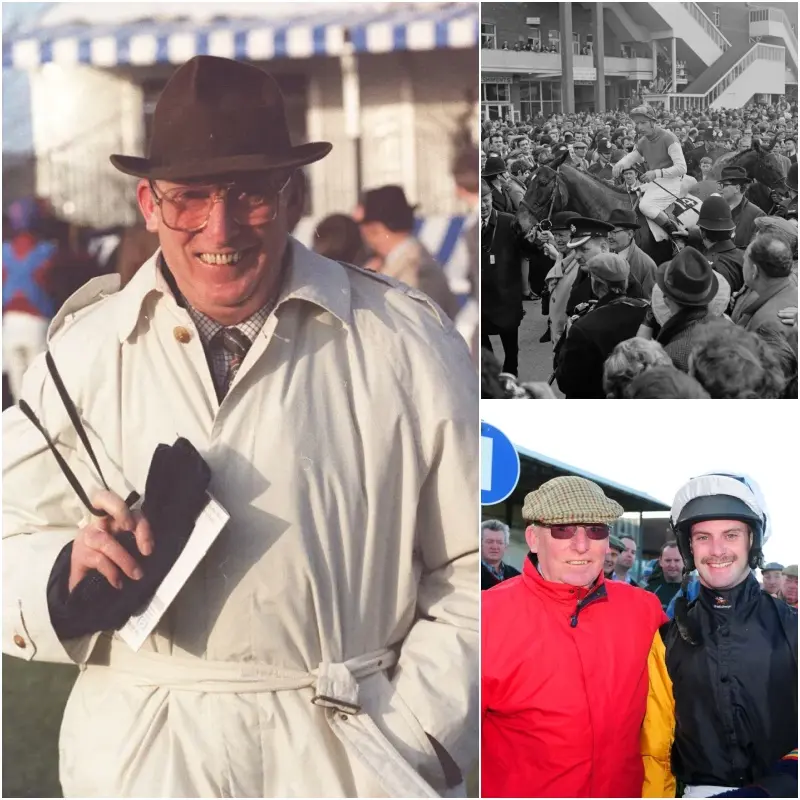
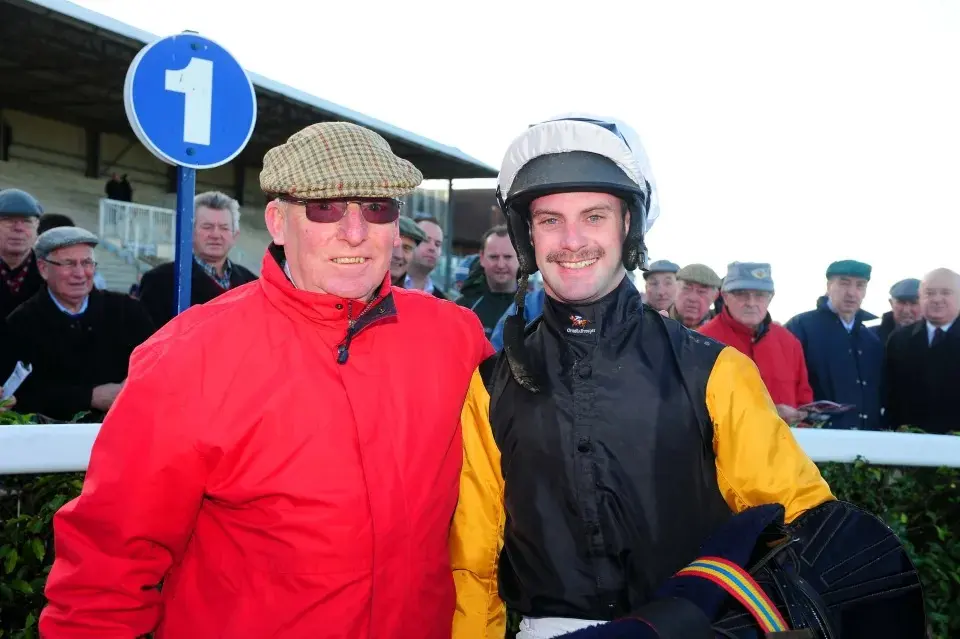
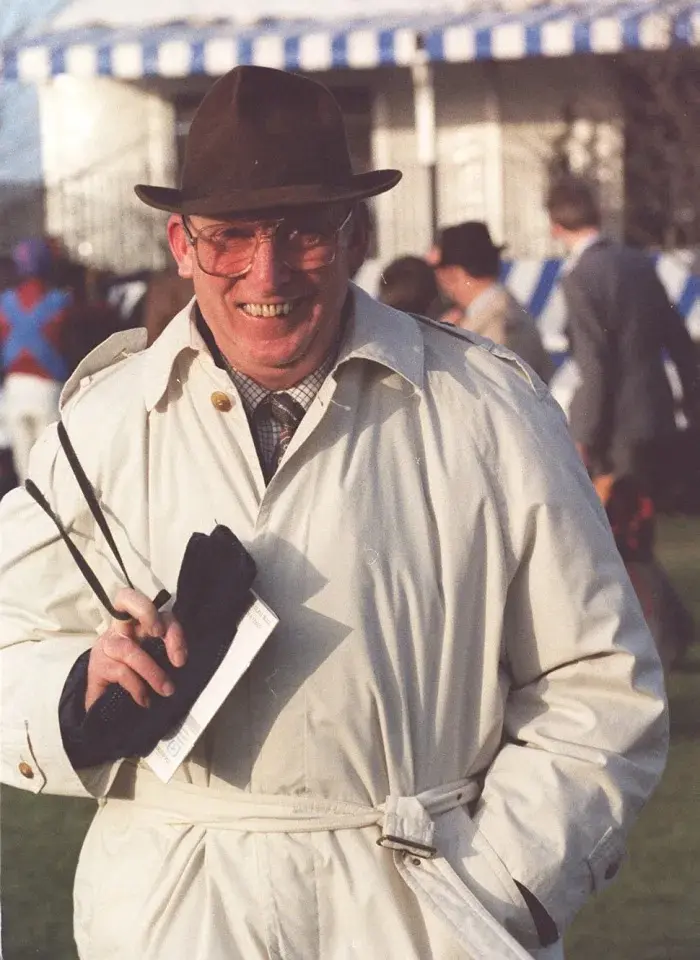
The equestrian and horse racing world is reeling from a profound and deeply tragic loss following the death of Eddie Harty, the legendary Irish jockey, Olympian, and Grand National winner. Harty passed away at the age of 88 on February 11, 2026, just one week after his beloved wife Patricia (often called Pat) died on February 4. The couple, described by family and friends as truly inseparable throughout their long marriage, left behind a legacy of devotion that has touched many, even as it has broken hearts across the sport.
Harty’s son, Eddie Harty Jr., spoke movingly of the timing, calling it both uncanny and heartbreaking. “It’s uncanny that he died so quickly after Mum. They were inseparable,” he said in tributes reported across racing media. He added that his wife’s sister, Valerie, described the sequence as “the most romantic thing she had ever heard,” highlighting the profound bond the pair shared over decades. Their story has resonated as a poignant reminder of enduring love amid grief, with many in the racing community reflecting on how Harty seemed unable to face life without his lifelong partner by his side.
Born into one of Ireland’s most storied racing dynasties based in the Curragh, County Kildare, Harty came from a lineage where horsemanship was in the blood. His grandfather and father were prominent figures in the industry, setting the stage for his own remarkable career. From an early age, Harty demonstrated exceptional talent with horses, blending raw courage with an intuitive understanding of the animals he rode.
His international breakthrough came in 1960 when he represented Ireland at the Rome Olympics in the three-day eventing competition. Riding Harlequin, Harty finished ninth individually and helped secure sixth place for the Irish team. This achievement made him a standout in eventing circles and earned him lasting recognition as a versatile horseman capable of excelling in multiple disciplines. Remarkably, he remains the only person in history to have competed in the Olympics and gone on to win the Grand National, a feat that underscores his extraordinary skill and adaptability.
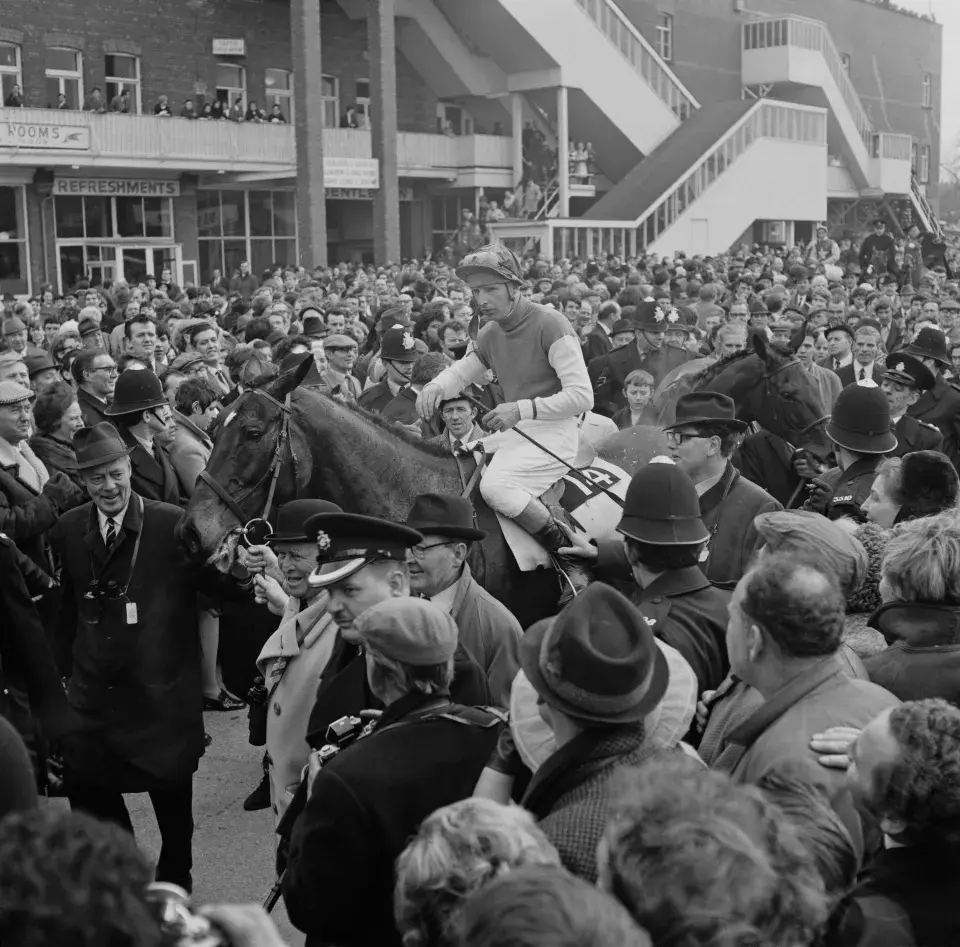
Nine years after his Olympic appearance, Harty etched his name into racing immortality with one of the most improbable victories in Grand National history. In the 1969 running at Aintree, he was a late call-up to ride Highland Wedding, an unfancied contender whose original jockey, Owen McNally, had been ruled out. What followed was a masterclass in determination and timing. Highland Wedding, overlooked by many punters, stormed through the grueling four-and-a-half-mile test, pulling clear in the closing stages to win by an emphatic 12 lengths.
The triumph was not just a personal milestone for Harty but a historic one for the sport, cementing his status as a true legend of the jumps.
Beyond that iconic win, Harty enjoyed a long and respected career as both a jockey and later a trainer. He rode numerous winners and contributed significantly to Irish racing, often quietly supporting the industry in ways that went beyond the spotlight. Colleagues and successors have praised his horsemanship, his work ethic, and his deep respect for the animals at the heart of the sport. Even in retirement, he remained connected to the racing world through family—his son Eddie Jr. has carried on the Harty name in training and related endeavors.
The double loss has sent shockwaves through the equestrian community in Ireland, Britain, and beyond. Tributes have poured in from across the racing press, social media, and official channels. A statement from Harty Racing announced his passing, reflecting the family’s involvement in the sport. Publications like the Racing Post, The Mirror, The Sun, and BloodHorse have highlighted his unique place in history as the sole Olympian-Grand National winner, while also emphasizing the personal tragedy of his death following so closely on his wife’s.
The cause of death for both Eddie and Patricia Harty has not been publicly detailed in reports, with focus instead on their lifelong partnership and the sorrow of their near-simultaneous departures. In many ways, the absence of a specified medical cause has allowed the narrative to center on their unbreakable bond rather than clinical details. For those who knew them, the story is less about how they left and more about how they lived—together, through triumphs on the field and quiet moments off it.
Harty’s passing marks the end of an era for Irish racing. He bridged generations, from the post-war Olympic days to the modern Grand National spectacle, always with the same humility and passion. The equestrian world has lost not just a champion but a symbol of dedication, both to horses and to family. As tributes continue to flow, many have echoed the sentiment that the sport will feel his absence keenly, even as his achievements endure.
The heartbreak is compounded by the romance of their final chapter. In an industry often defined by speed, risk, and fleeting glory, Eddie and Patricia Harty’s story reminds us of something slower and deeper: a love that lasted a lifetime and, in the end, transcended even death. The racing community mourns not only a great rider but a man who, in his quiet way, exemplified grace under pressure—on horseback and in life. Rest in peace, Eddie and Patricia Harty.