Super Bowl LX Thrust Into Controversy as Officiating Debate Sparks League-Wide Tension
The dust had barely settled on Super Bowl LX when a new storm began to gather over the NFL. What should have been a celebration of the Seattle Seahawks’ commanding 29–13 victory over the New England Patriots has quickly evolved into one of the most hotly debated officiating controversies in recent championship history.
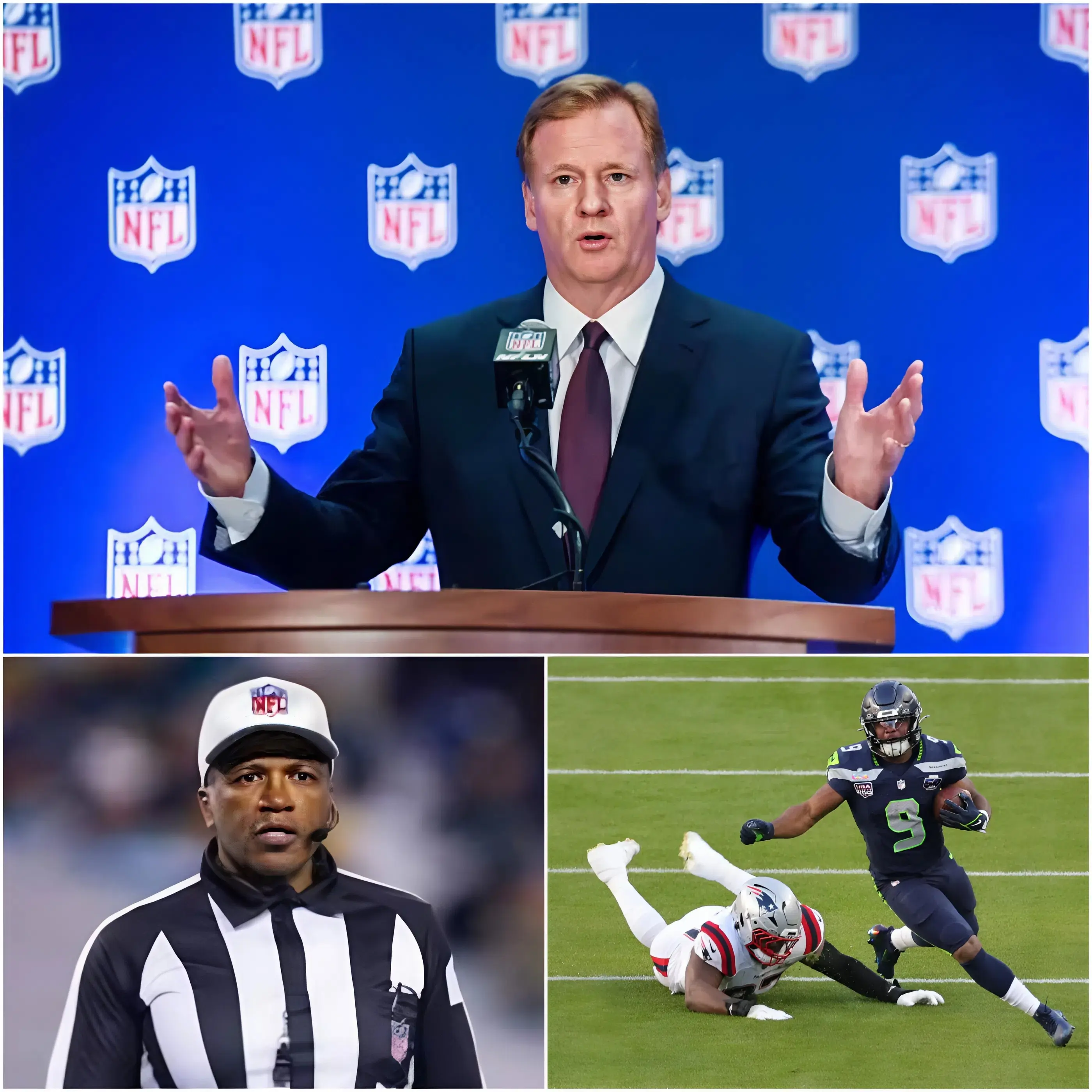
At the center of the discussion are questions surrounding key decisions made during the game, particularly those involving referee Shawn Smith and his officiating crew. While no formal disciplinary action has been confirmed by the league, public scrutiny intensified after comments attributed to senior league leadership suggested that concerns over several pivotal calls would be reviewed internally.
According to critics of the officiating, multiple moments during the game may have significantly influenced its momentum. One of the most debated plays came early in the contest: a contested catch by Seahawks receiver Cooper Kupp that was not immediately subjected to extended review. Patriots supporters argue that the play warranted closer examination and that its outcome shifted early field position in Seattle’s favor.
In addition, fans and analysts have pointed to what they describe as inconsistent penalty enforcement throughout the matchup. Missed holding calls, disputed pass interference decisions, and timing of flags have all become focal points of discussion across sports media platforms.
The Seahawks ultimately secured a decisive 29–13 win, but the margin of victory has not quieted critics. Instead, it has fueled a broader debate: Can a game’s integrity still be questioned even when the final score suggests dominance?

League officials have acknowledged the controversy but have urged restraint. The NFL’s officiating department routinely reviews performance after every game, including the Super Bowl. However, public statements thus far have stopped short of admitting error or bias.
One senior league representative described the review process as “standard protocol,” emphasizing that post-game evaluations are designed to improve consistency and accuracy moving forward. Yet for many fans, the explanation felt insufficient.
The Patriots organization has not issued a formal protest, but several players and team affiliates have expressed frustration in interviews. While careful not to accuse officials directly, some players hinted that momentum swings created by controversial calls were difficult to overcome.
“We prepare all season for this moment,” one Patriots veteran said. “When big moments hinge on decisions that people are still debating, it’s tough. That’s part of the game, but it’s hard.”
The situation became more complex when early reactions from league leadership appeared measured and somewhat ambiguous. Rather than directly addressing specific plays, officials reiterated their confidence in the officiating process while also acknowledging that “every call is subject to review.”
This balanced but non-committal stance has divided public opinion.
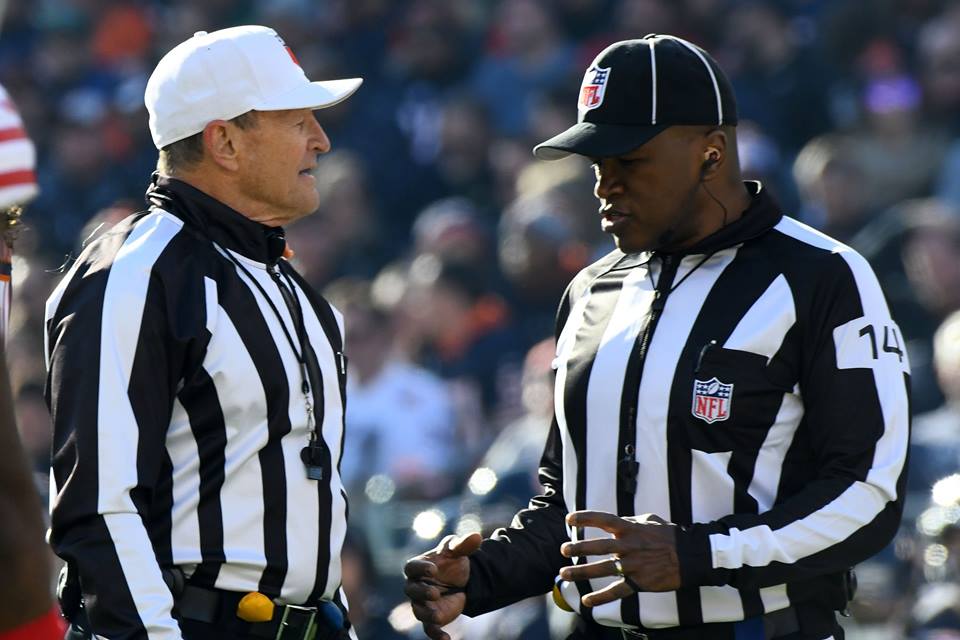
Supporters of the Seahawks argue that focusing on officiating detracts from an impressive performance. Seattle’s defense controlled the pace, and their offense executed efficiently. From this perspective, controversy over a handful of calls undermines the team’s achievement.
On the other side, critics contend that the integrity of the Super Bowl demands maximum transparency. With millions watching globally and enormous financial stakes involved, even the perception of bias can damage trust.
Sports analysts have been quick to weigh in. Some note that officiating controversies are almost inevitable in high-stakes games due to the speed and complexity of play. Others argue that technological advancements, including expanded replay systems and centralized review centers, were introduced precisely to prevent lingering doubt.
“Perception matters as much as reality,” one former NFL official commented during a televised panel discussion. “If fans believe something was mishandled, the league has to address that belief directly.”
Social media has amplified the tension. Clips of disputed plays have circulated widely, often accompanied by slowed-down footage, freeze frames, and passionate commentary. Hashtags questioning the legitimacy of certain calls trended nationally within hours of the game’s conclusion.
Yet it is important to note that no credible evidence has emerged indicating deliberate bias or misconduct. The NFL maintains strict oversight procedures for its officiating crews, and allegations of intentional favoritism are taken seriously.
Historically, the league has defended its referees while acknowledging occasional human error. In rare cases where mistakes are confirmed, disciplinary measures have been handled internally rather than publicly announced in detail.
The broader issue may lie in expectations. As technology improves and fans gain access to instant replays from multiple angles, tolerance for error diminishes. What was once accepted as part of the game is now dissected frame by frame.
For the Patriots, the loss remains official and final. The Seahawks’ championship stands recognized. But the conversation surrounding Super Bowl LX may linger longer than the final whistle.
Ultimately, the NFL faces a delicate balancing act. It must protect the credibility of its officiating system while responding transparently enough to maintain public trust. How the league navigates this moment could shape perceptions far beyond a single championship game.
As internal reviews continue behind closed doors, fans across the country wait for clarity. Whether that clarity comes in the form of detailed explanations, procedural adjustments, or simple reaffirmation of confidence in the officials remains to be seen.
One thing is certain: the debate over Super Bowl LX has ensured that this championship will be remembered not only for its final score, but for the questions that followed. And in professional sports, perception can sometimes be as powerful as the outcome itself.