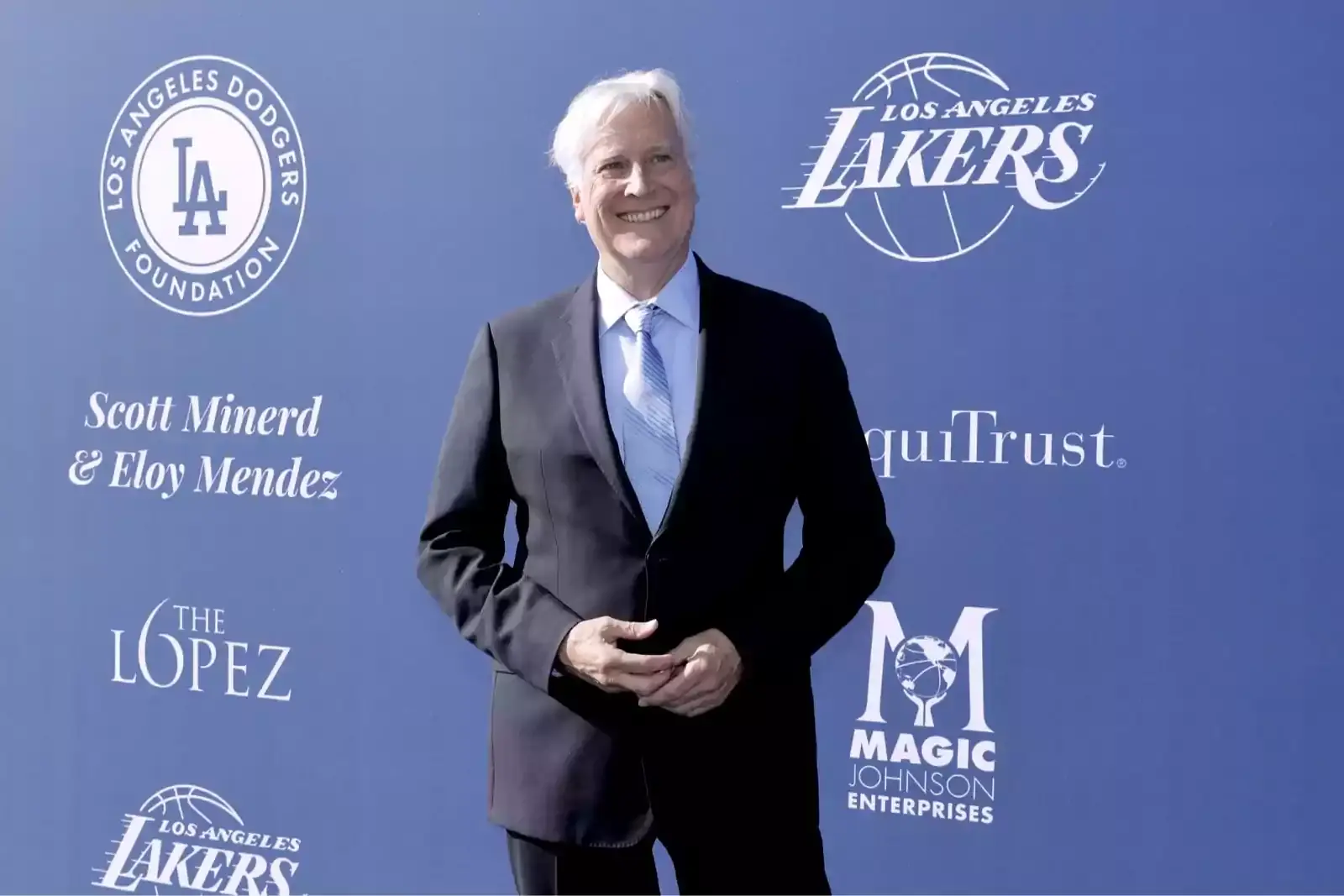
The Los Angeles Lakers are quietly preparing for one of the most dramatic organizational transformations in franchise history. Following the record-breaking $10 billion sale that handed controlling ownership to billionaire Mark Walter, sources say the team is pivoting away from its long-standing “family business” model toward a fully modern, data-driven front office inspired by Walter’s success with the Los Angeles Dodgers. Insiders describe the coming summer as a “reset button,” with sweeping changes already planned behind closed doors.
While Jeanie Buss remains governor, real power is now shifting.
Multiple league executives confirm that Walter has begun restructuring the Lakers from the inside out, prioritizing analytics, player development infrastructure, and long-term strategic planning. The goal is clear: build a sustainable championship machine rather than relying on legacy relationships and instinct-driven decisions. One Western Conference executive put it bluntly: “This is no longer a sentimental operation. It’s becoming a high-performance organization.”
That change comes with painful consequences.
According to people familiar with internal discussions, several long-time staples of the Buss era are expected to be phased out, including members of the Buss family themselves. The Buss brothers, who have held various advisory and operational roles for years, are reportedly being removed from basketball decision-making entirely. One insider described the process as “respectful but firm.”
“Mark thanked them for their service,” the source said, “but made it clear the future would be built differently.”
The hidden detail that hasn’t reached most headlines is that Walter personally commissioned a full operational audit shortly after taking control.
That audit examined everything from scouting efficiency to medical staffing to contract modeling. The results reportedly shocked even veteran Lakers employees. One staffer revealed that several departments were found to be years behind elite NBA standards, particularly in analytics integration and performance science. “It opened a lot of eyes,” the source said. “This wasn’t just about ownership. It was about modernization.”
Within weeks, outside consultants with experience in MLB and tech-driven sports models were brought in.
Walter’s vision mirrors exactly how he transformed the Dodgers into a perennial powerhouse: centralized data systems, expanded analytics teams, aggressive international scouting, and streamlined decision-making. A senior Lakers executive confirmed, “He’s copying the Dodgers blueprint almost line for line. That’s intentional.”
The internal nickname for the project is reportedly “Lakers 2.0.”
Employees describe a dramatic cultural shift already underway. Meetings that once leaned heavily on hierarchy and tradition are now dominated by projections, modeling, and scenario planning. One longtime Lakers staffer admitted, “It feels like a startup now. Faster. Sharper. Less emotional.”
Even player personnel decisions are being reframed.
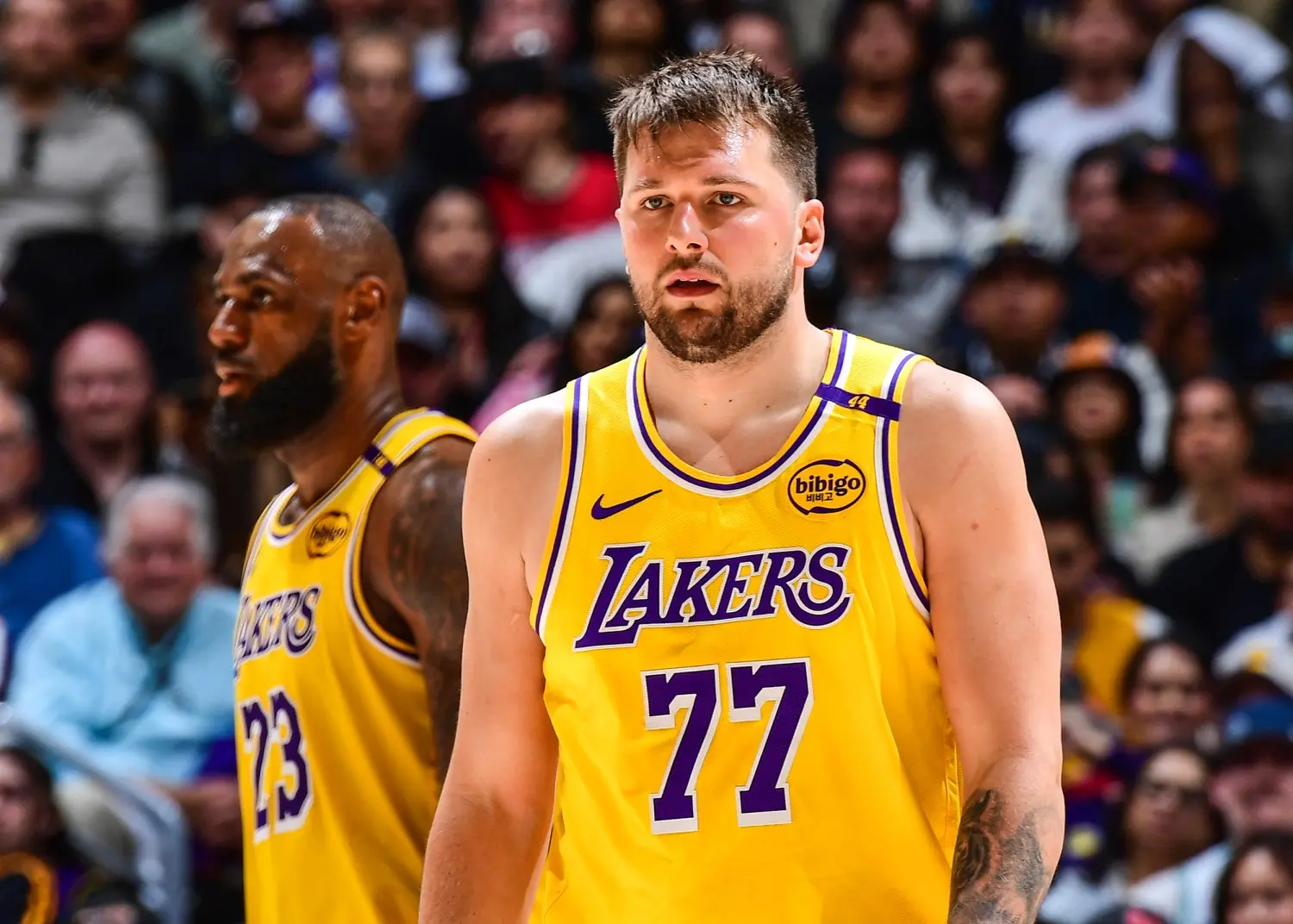
Rather than chasing stars impulsively, the new regime is focused on cap flexibility, asset accumulation, and timing the market. As previously reported, the Lakers are positioning themselves for a massive Summer 2026 strike, with enough projected space for two near-max contracts while retaining premium draft capital. That rare combination has rival front offices quietly panicking.
One anonymous GM said, “If they execute this right, they’ll be terrifying.”
Another confidential source revealed that Walter has already authorized the hiring of several high-level analytics executives from outside basketball, including individuals with backgrounds in finance and artificial intelligence. These hires will reportedly work alongside traditional scouts, creating a hybrid evaluation system that blends film study with advanced predictive modeling.
“This isn’t basketball as usual,” the source said. “It’s business-grade strategy.”
LeBron James has also felt the change.
Although his long-term future remains uncertain, teammates say LeBron has acknowledged the shift in tone around the organization. According to one player, LeBron recently remarked, “They’re finally building something that lasts.” That quiet comment suggests the superstar recognizes the structural upgrade, even as he weighs his own next steps.
Privately, LeBron is said to be cautiously optimistic.
Another hidden detail emerging from inside the building involves Jeanie Buss herself. While she publicly supports the transformation, people close to her say the transition has been emotionally difficult. She reportedly told a confidant, “I’m protecting the Lakers by letting them grow beyond us.” That statement reflects the gravity of allowing a family-controlled empire to evolve into a corporate powerhouse.
Fans are divided.
Some mourn the fading of the Buss legacy, which delivered multiple championships and defined generations of Lakers basketball. Others welcome the change, arguing that modern sports require modern thinking. Former players have weighed in as well, with one ex-Laker saying, “This hurts emotionally, but it’s probably necessary competitively.”
Mark Walter remains mostly behind the scenes, but his influence is undeniable.
In an internal address leaked to staff, Walter reportedly said, “Great franchises don’t survive on nostalgia. They survive on systems.” That line has since circulated quietly among league insiders and perfectly summarizes his philosophy.
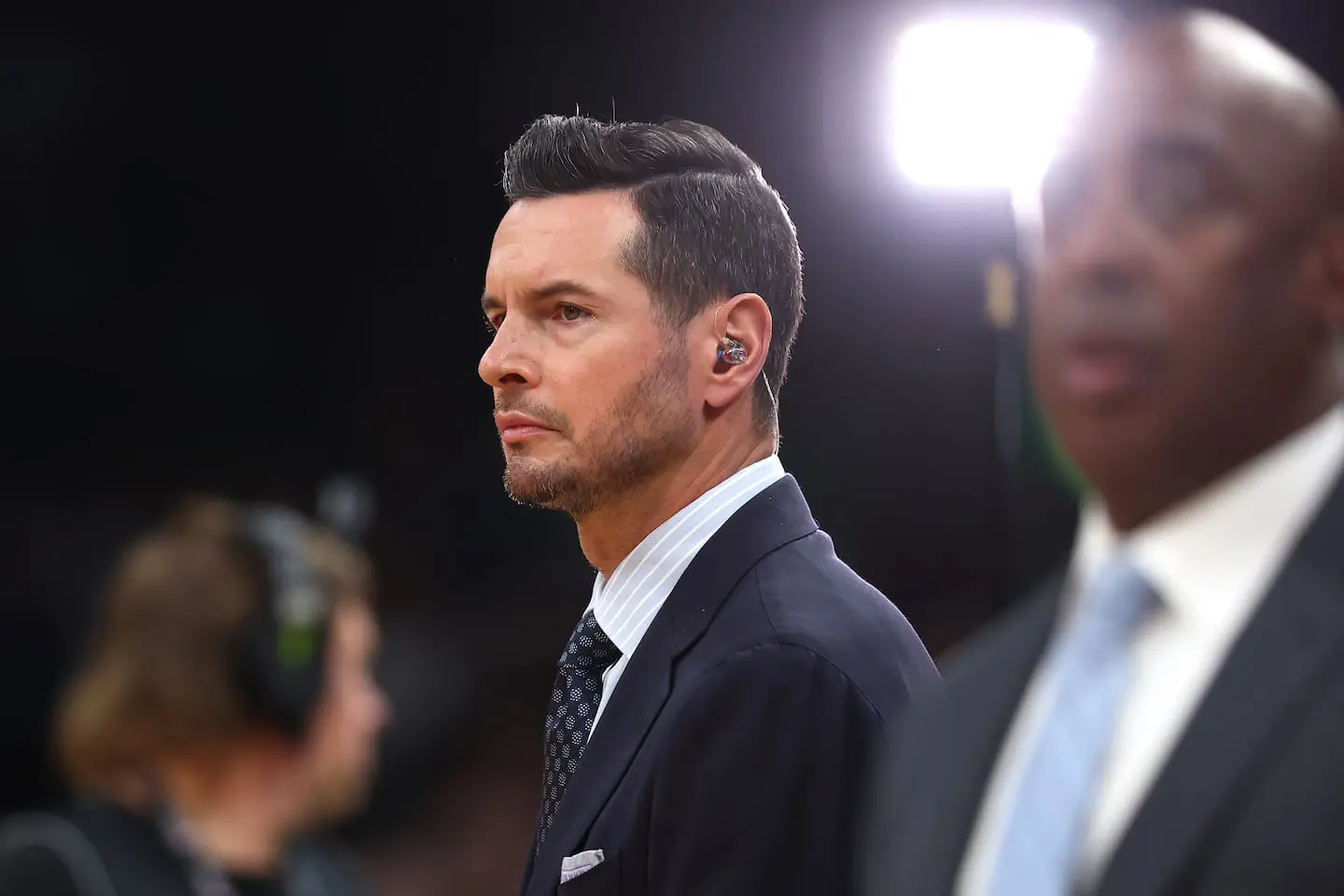
The front-office overhaul is expected to accelerate immediately after the season ends.
Multiple departures are anticipated, followed by a wave of new hires across analytics, sports science, and player development. The Lakers also plan to upgrade training facilities and expand their global scouting footprint, signaling a full-scale modernization.
One assistant GM from another team described what’s happening in Los Angeles as “the most serious organizational rebuild since the Warriors started their dynasty.”
Perhaps the most telling revelation is this: the Lakers have already identified three potential executive candidates to lead basketball operations, all with experience in data-driven environments outside the traditional NBA pipeline. Names are being kept tightly under wraps, but sources confirm interviews have quietly begun.
As one insider summarized, “They’re not tweaking. They’re reinventing.”
For decades, the Lakers were powered by family loyalty, star power, and instinct. Under Mark Walter, they are becoming something else entirely — a calculated, infrastructure-first super-organization designed to dominate for the next generation.