The incident involving top jockey Declan Bates has sent shockwaves through the racing community, highlighting once again the inherent risks of equestrian sports. On December 8, 2025, during a routine jumpout session at Ballarat racecourse in Victoria, Australia, the 37-year-old Irish-born rider suffered a serious fall that resulted in fractures to his pelvis and sacrum, the triangular bone at the base of the spine.
The Victorian Jockeys’ Association (VJA)—often involved in rider welfare and communications for such incidents—quickly confirmed the injuries, noting that initial scans revealed the pelvic and sacral breaks, with concerns initially raised about a possible compression fracture in the T4 vertebra, though this was later under further assessment.
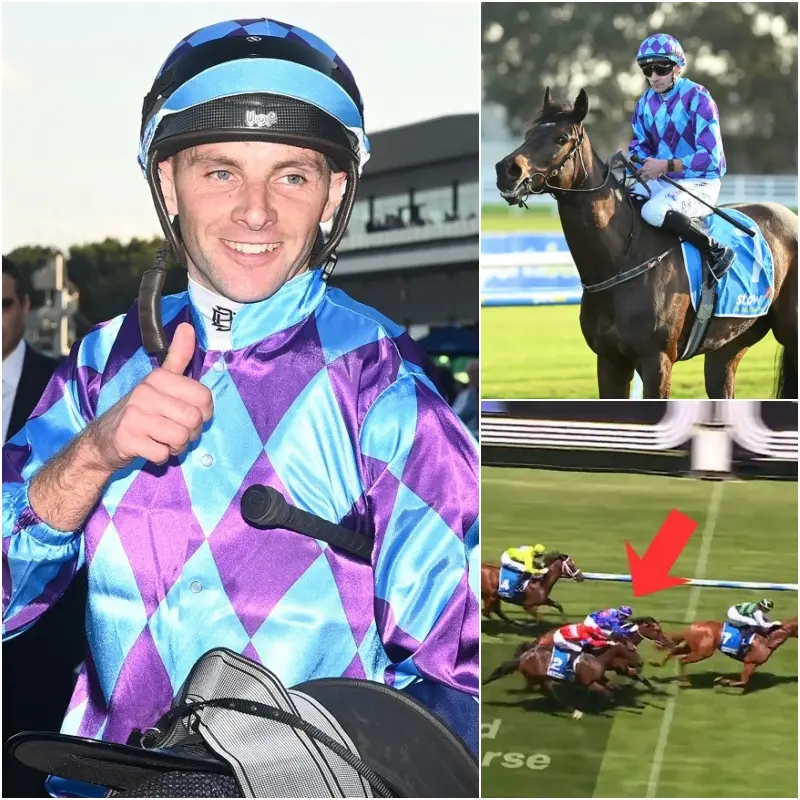
Bates, a Group 1-winning jockey known for his skill and determination, was participating in jumpouts—practice sessions where horses are ridden at speed over jumps or in simulated race conditions to prepare for upcoming meetings. These sessions are essential for both horse and rider fitness but carry significant danger, as horses can misjudge obstacles, stumble, or unseat their riders at high velocity. In this case, Bates described the moment vividly in a later interview: he recalled landing heavily on his backside, an impact that directly caused the breaks to the right side of his pelvis and the sacrum.
“I landed smack on my arse,” he said, underscoring the blunt force involved. The fall occurred without any dramatic preceding drama—no refusal or collision reported—but the consequences were immediate and severe. He reported intense pain soon after, leading to his transport to hospital for scans and evaluation.
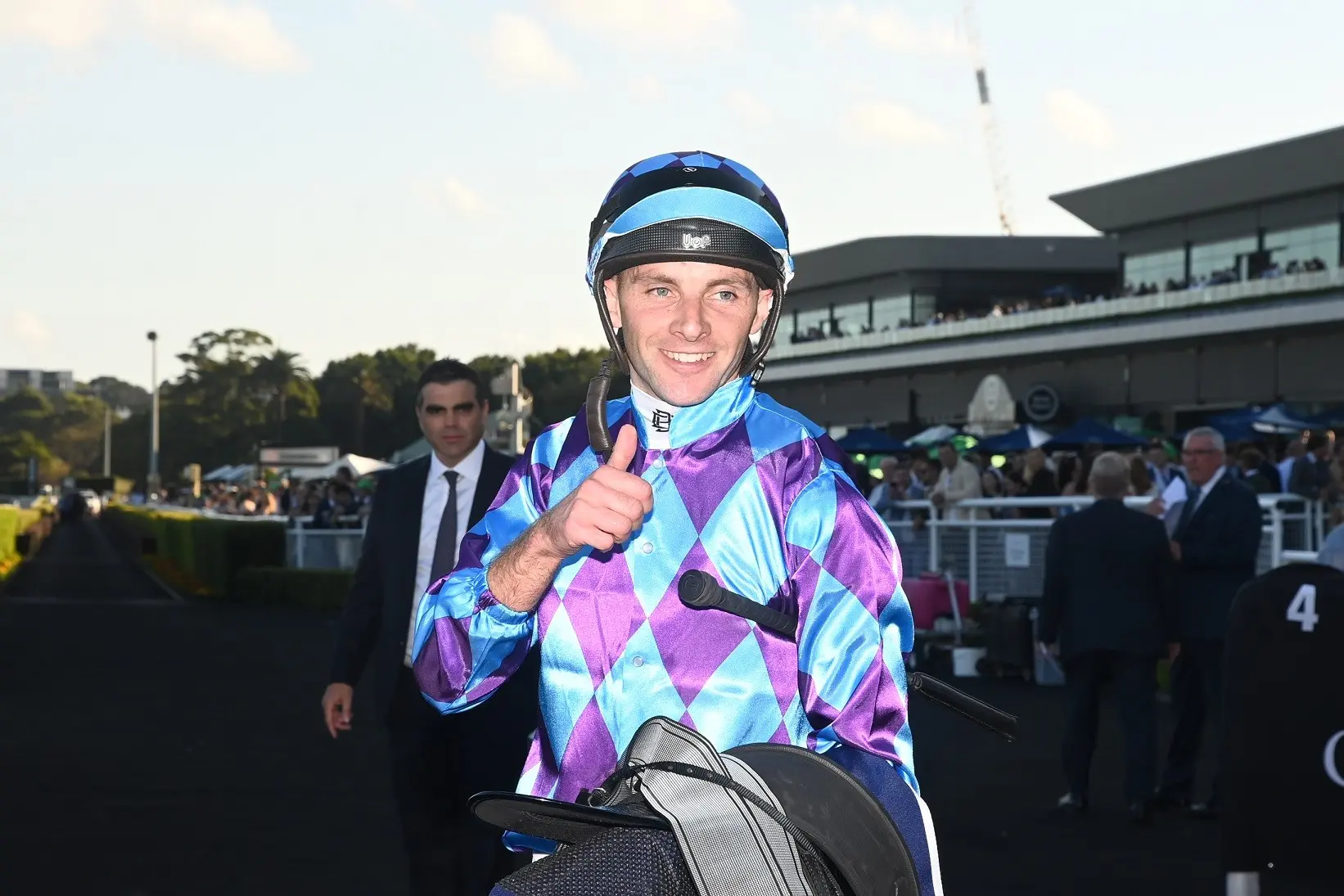
The news spread rapidly, drawing attention not just in Australia but internationally, given Bates’ status as a five-time Group 1 winner and his popularity among racing fans. Media outlets from racing-specific sites to mainstream news highlighted the incident as a “big shock,” emphasizing how even routine training can turn perilous in this demanding sport. Jockeys face falls regularly, but injuries to the pelvis and lower spine are particularly concerning due to the prolonged recovery times and potential for long-term mobility issues.
Unlike broken limbs, which might heal in months, pelvic fractures often require extended rest, careful rehabilitation, and sometimes affect a rider’s ability to return to the saddle with the same force and balance required.
Fortunately, updates on Bates’ condition have been relatively positive. No surgery was required for the confirmed fractures, a significant relief for the jockey and his supporters. By December 10-12, 2025, he was already providing health updates from home, expressing optimism about his recovery. He acknowledged the pain and the setback but focused on the positives: avoiding operative intervention and beginning the healing process naturally. In one report, he thanked the medical team, his family, and the racing community for their support.
He even indicated hopes of resuming race riding sometime in 2026, a timeline that, while cautious, suggests determination to return to the sport he loves.
The incident has reignited discussions about safety in equestrian and thoroughbred racing. Jumpouts, while less regulated than official races, involve similar risks: high speeds, unpredictable animals, and minimal protective gear beyond helmets, vests, and boots. Critics and advocates alike point to the need for enhanced protocols, such as better surface maintenance at training facilities, mandatory medical checks post-fall, and ongoing research into impact-absorbing equipment. The VJA’s swift confirmation and support for Bates exemplify the industry’s commitment to rider welfare, but broader calls have emerged for industry-wide reviews, especially after a string of high-profile injuries in recent years.
Bates’ career trajectory adds poignancy to the story. Having relocated from Ireland to Australia, he built a strong reputation with major victories, partnering with top trainers and owners. Just before the fall, he had been booked for rides, including a long-shot mount in a feature event that had to be reassigned to a younger jockey. The racing world rallied around him, with one prominent owner reportedly pledging substantial financial support—$20,000—to aid his recovery, leaving Bates visibly moved and grateful.
Such gestures highlight the tight-knit nature of the racing fraternity, where riders, despite the competitive nature of their profession, often support one another in times of adversity.
As Bates rests and rehabilitates, the focus shifts to his long-term outlook. Pelvic and sacral fractures typically demand 3-6 months of non-weight-bearing recovery initially, followed by physiotherapy to regain strength, flexibility, and core stability—crucial for a jockey who must maintain impeccable balance atop a galloping horse. Any lingering issues could affect his riding style or confidence, but Bates’ history of resilience, including previous injuries like a fractured kneecap, bodes well. He has spoken about drawing on past experiences, knowing his body and the healing process.
This accident serves as a stark reminder that equestrian sports, whether show jumping, eventing, or flat racing, remain one of the most dangerous athletic pursuits. The blend of human skill and animal power creates thrilling spectacles but also unpredictable hazards. Worldwide, federations like the Fédération Equestre Internationale (FEI) and national bodies continue to evolve safety standards, from improved helmet designs to concussion protocols and fall analysis. In Australia, Racing Victoria and associated groups monitor such incidents closely, often using data to refine training practices.
For now, the racing community watches Declan Bates’ progress with hope. His positive mindset, the absence of surgical needs, and the outpouring of support signal a strong chance for comeback. Yet the event underscores a universal truth in equestrianism: every ride carries risk, and every fall can change a career in an instant. As Bates embarks on recovery, the sport reflects on how to better protect its athletes while preserving the excitement that defines it.