NFL SHOCKWAVE: Controversial Cooper Kupp Catch Ignites Early Firestorm in Super Bowl LX
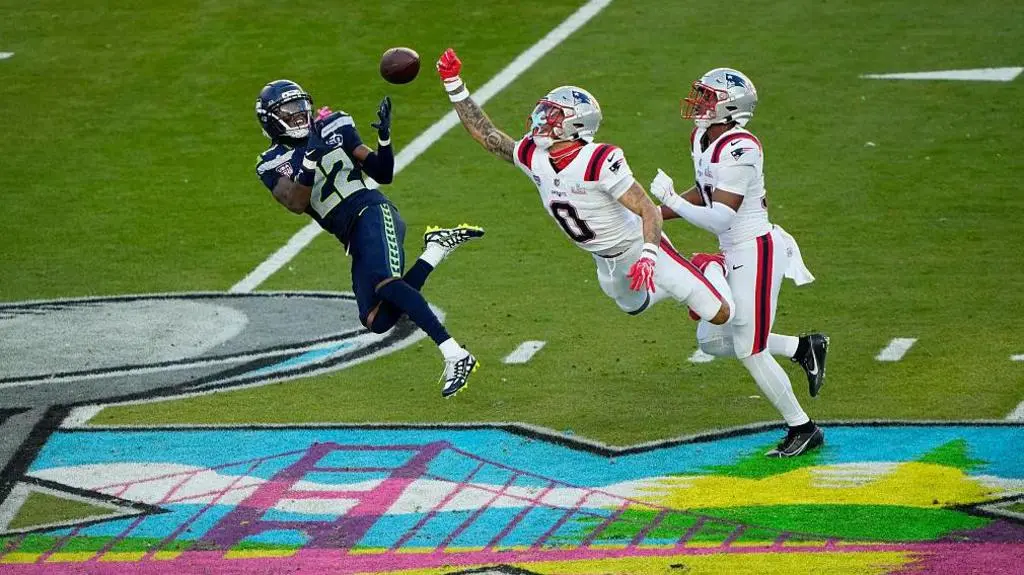
The grand stage of Super Bowl LX delivered drama before the first quarter had barely begun, as a contentious officiating decision involving Seattle Seahawks wide receiver Cooper Kupp sent shockwaves through the football world. In what many are calling a pivotal moment that altered the early momentum of the championship clash between the Seattle Seahawks and the New England Patriots, referees upheld a 23-yard reception by Kupp despite widespread doubts about whether it met the NFL’s strict criteria for a completed catch.
The play unfolded on the Seahawks’ opening drive, with quarterback Sam Darnold targeting Kupp along the left sideline near the New England 40-yard line. Kupp, in his first Super Bowl appearance with Seattle after a high-profile move from the Los Angeles Rams, stretched out to haul in the pass from Darnold. Officials on the field immediately ruled it a completion, advancing the ball to the Patriots’ 17-yard line. The gain set up Seattle’s offense in prime position, and moments later, kicker Jacob Myers converted a 33-yard field goal to give the Seahawks a 3-0 lead.
However, slow-motion replays broadcast to millions viewing the game quickly fueled intense debate. The footage appeared to show Kupp bobbling the football as he secured it, with the ball shifting in his hands amid contact from Patriots cornerback Marcus Jones. Critically, by the time Kupp regained full control, one or both feet seemed to drag out of bounds or touch the sideline without clear possession maintained throughout the process.
NFL rules require a receiver to maintain possession through the ground, and any movement of the ball that suggests it was not fully secured can result in an incomplete pass ruling—especially when going to the ground or nearing the boundary.
Social media erupted almost instantly. Analysts, former players, and fans flooded platforms like X with breakdowns frame by frame. Prominent voices questioned the call, with one prominent NFL insider asking publicly, “Was this a catch by Cooper Kupp?” highlighting the apparent lack of two feet inbounds combined with secure possession. Others pointed out that the Seahawks’ quick tempo after the play—rushing to the line before New England could throw a challenge flag—prevented any immediate review. The replay assist system, designed to flag obvious errors in high-stakes moments, did not intervene, leaving the on-field ruling to stand.
The decision drew particular ire from Patriots supporters and neutral observers who saw it as a gift to Seattle early in the contest. “That wasn’t a catch but idk why New England didn’t go for the challenge,” one fan posted, echoing a common sentiment. Another added, “Clearly not a catch. The refs are already blowing it three minutes in.” The controversy revived long-standing frustrations with NFL officiating in big games, where subjective interpretations of the catch rule have plagued the league for years.
The “what is a catch?” debate, famously amplified by plays involving Dez Bryant and Calvin Johnson in past postseasons, seemed to resurface at the worst possible time—on the sport’s biggest stage.
For the Seahawks, the play proved crucial in building early confidence. Darnold, under center for Seattle in this championship matchup, orchestrated a methodical drive that capitalized on the yardage. The field goal provided the first points of Super Bowl LX and shifted momentum toward the Seahawks, whose defense would later dominate stretches of the game. Kupp, a veteran known for his precise route-running and reliability, has been a key addition since joining Seattle on a three-year, $45 million contract in free agency following his release from the Rams.
The move brought the Washington native back to his home state, and his contributions—including this disputed grab—underscored his value in high-pressure situations.
New England, meanwhile, held firm defensively after the miscue, preventing Seattle from reaching the end zone on that opening series. The Patriots’ restraint in not challenging—perhaps due to the quick pace or uncertainty over the review process—became another point of discussion. Had the play been overturned, Seattle would have faced a longer field and potentially punted, giving quarterback Drake Maye and the Patriots’ offense an earlier opportunity to respond.
As the game progressed, the early controversy lingered in conversations among viewers and commentators. It highlighted ongoing concerns about consistency in officiating, particularly in a Super Bowl where every call is magnified under intense scrutiny. Calls for NFL Commissioner Roger Goodell to address the incident grew louder on social platforms, with some fans demanding a formal investigation into whether the ruling reflected bias or simply human error under pressure. While no immediate action from the league office has been announced, the play has already joined the pantheon of debated moments in championship history.
The broader context of the matchup added layers to the outrage. This Super Bowl represented a rematch of sorts for the franchises, evoking memories of their iconic clash in Super Bowl XLIX over a decade earlier, where a controversial play call at the goal line defined legacies. Now, with Kupp—a former Super Bowl MVP himself—on the opposite sideline, the narrative felt poetic yet frustrating for those questioning the integrity of the early call.
Ultimately, one disputed reception does not define an entire Super Bowl, but in a game decided by razor-thin margins, such moments can prove decisive. The Seahawks parlayed the yardage into points, setting a tone that challenged the Patriots throughout. Whether the call was correct or a blunder will be dissected for years, but for now, it stands as a shockwave that rippled from the opening minutes of Super Bowl LX, reminding everyone that even in the league’s showcase event, perfection remains elusive—especially when the stakes are this high.