“This is blatant cheating,” “This is blatant robbery.” NFL fans couldn’t hide their outrage over the exorbitant parking fees at Super Bowl LX in Santa Clara.
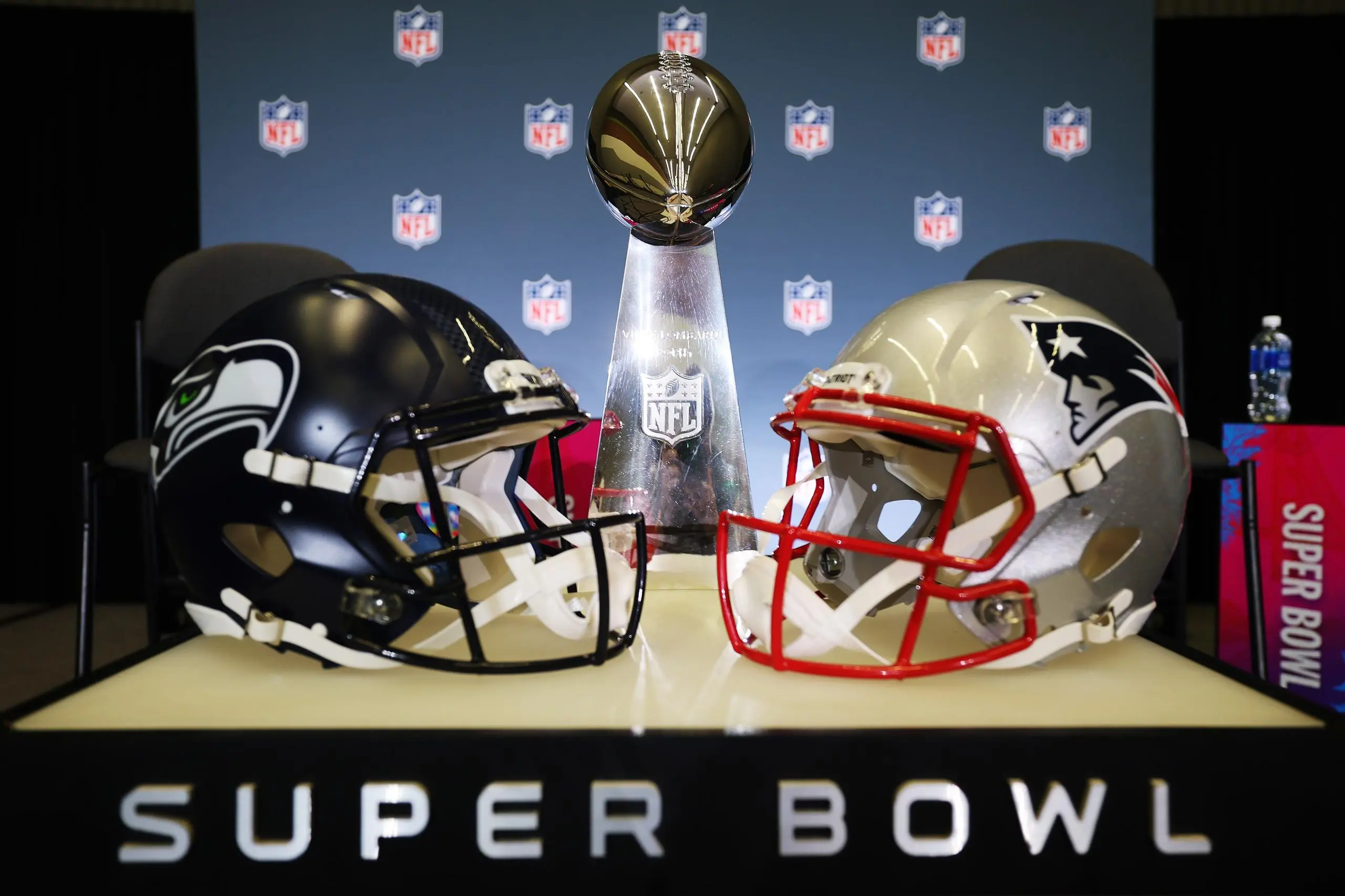
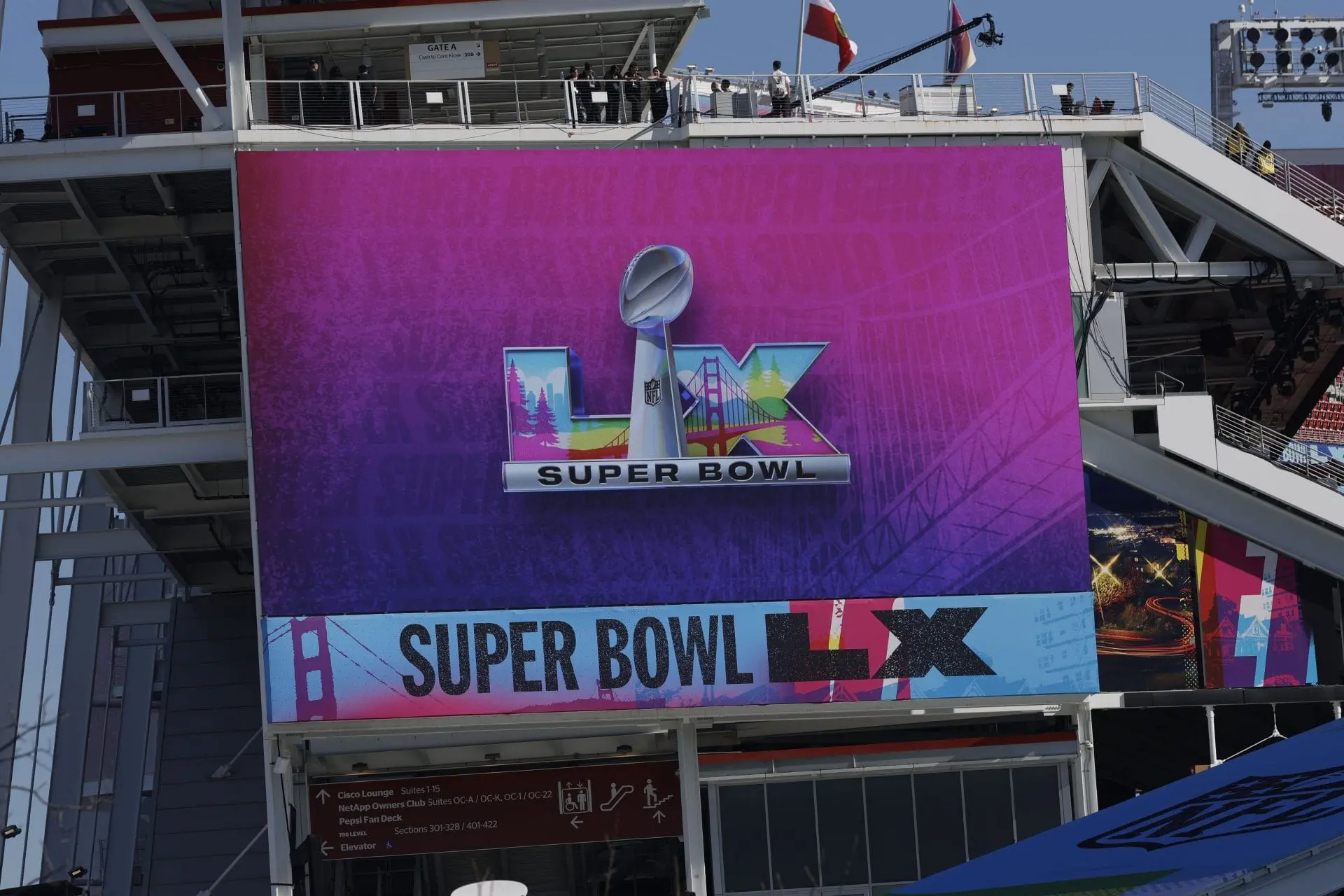
The Super Bowl LX, held on February 8, 2026, at Levi’s Stadium in Santa Clara, California, delivered an unforgettable spectacle on the field as the Seattle Seahawks faced off against the New England Patriots in what promised to be a thrilling championship clash. Yet, for many fans who made the journey to the Bay Area, the real headline-stealer proved to be something far less glamorous: parking fees that reached jaw-dropping heights, igniting widespread fury both inside the stadium gates and across social media platforms.
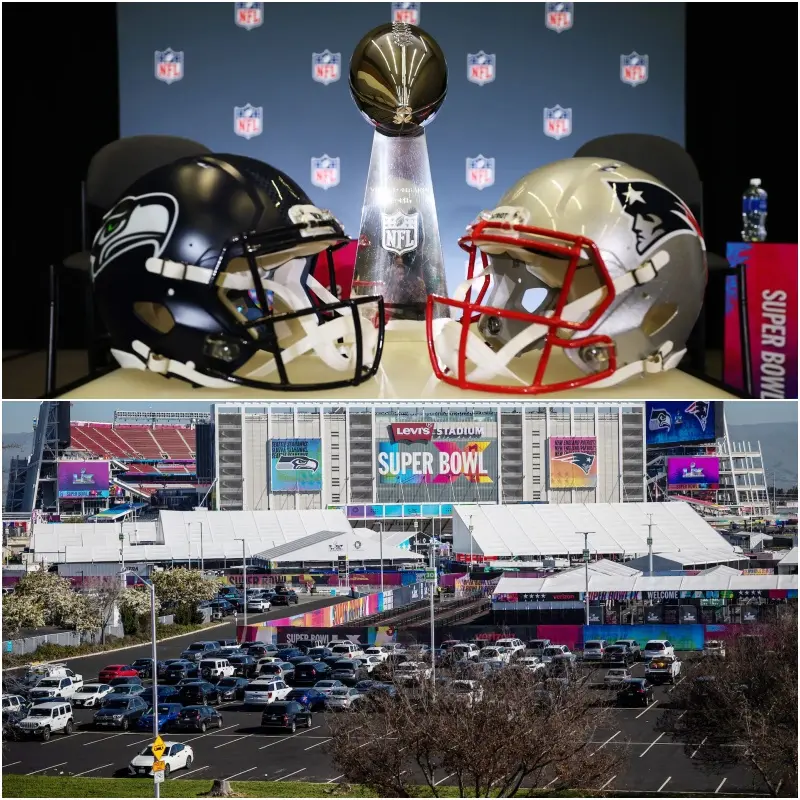
Reports emerged of third-party parking lots charging as much as $400 for a standard vehicle, with oversized vehicles facing an additional surcharge bringing the total to $420. One particularly viral video showed a sign at a lot on Patrick Henry Drive, located roughly a mile or more from the stadium entrance—equating to a 20-minute walk—advertising these event-day rates. Fans who captured the moment and shared it online watched as the clip spread rapidly, drawing thousands of reactions from those already shelling out thousands for tickets and travel.
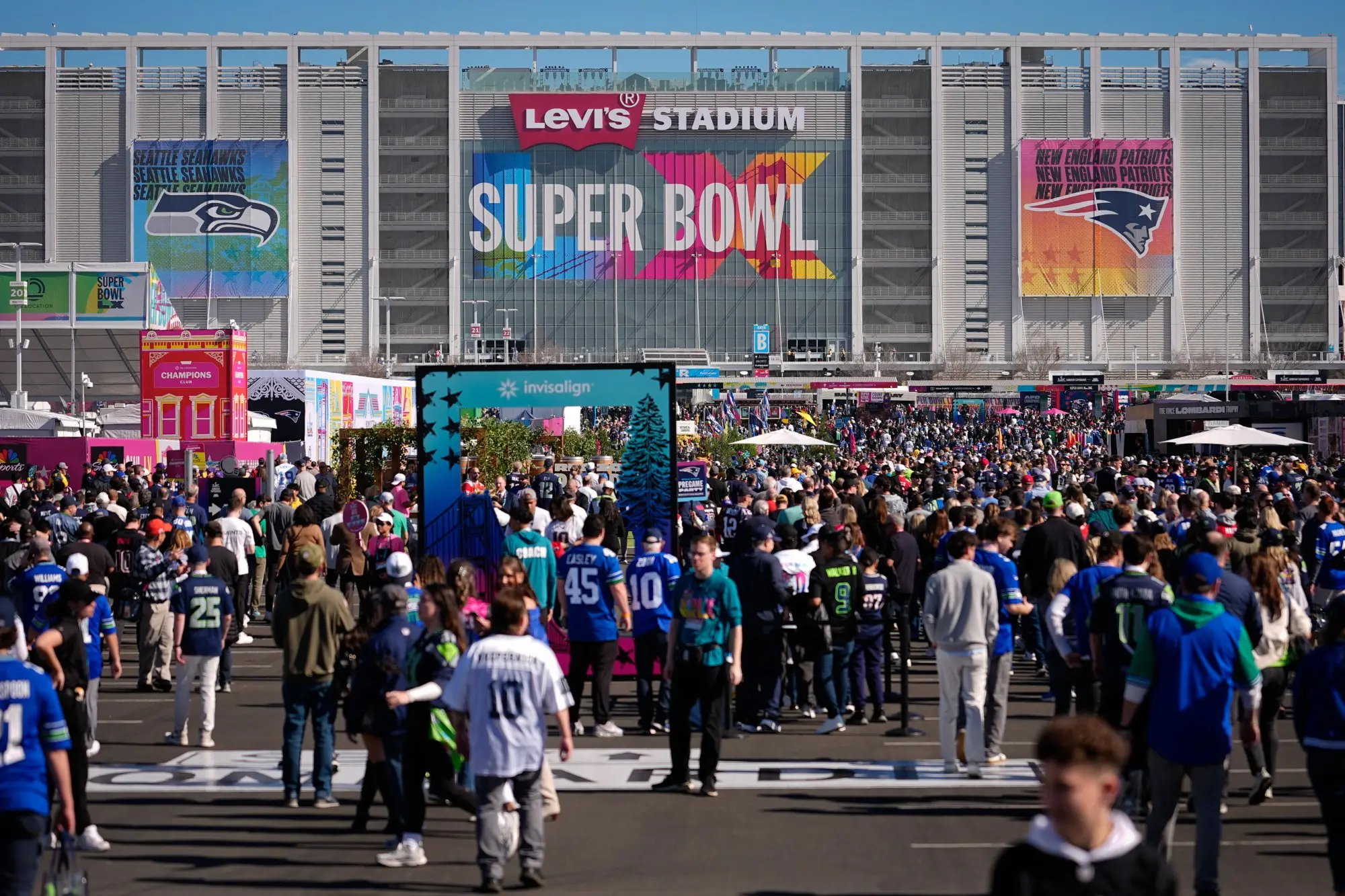
Social media erupted with disbelief and anger. One supporter declared, “This is blatant cheating,” while another branded it “blatant robbery” and “highway robbery.” Comments flooded in with similar sentiments: “raw fraud,” “rip-off prices,” and sarcastic quips like “At this point, it’s cheaper to just get a ticket, park on the sidewalk, and let them tow it.” Others joked about opting for rideshares instead, with one fan suggesting a $50 Uber might be a smarter financial move than forking over hundreds just to leave a car nearby.
The outrage extended beyond isolated complaints, as users pointed out that these costs came on top of already exorbitant ticket prices—many seats reportedly in the $6,000 to $7,000 range—and inflated concessions inside the venue, where even basic items carried premium markups.
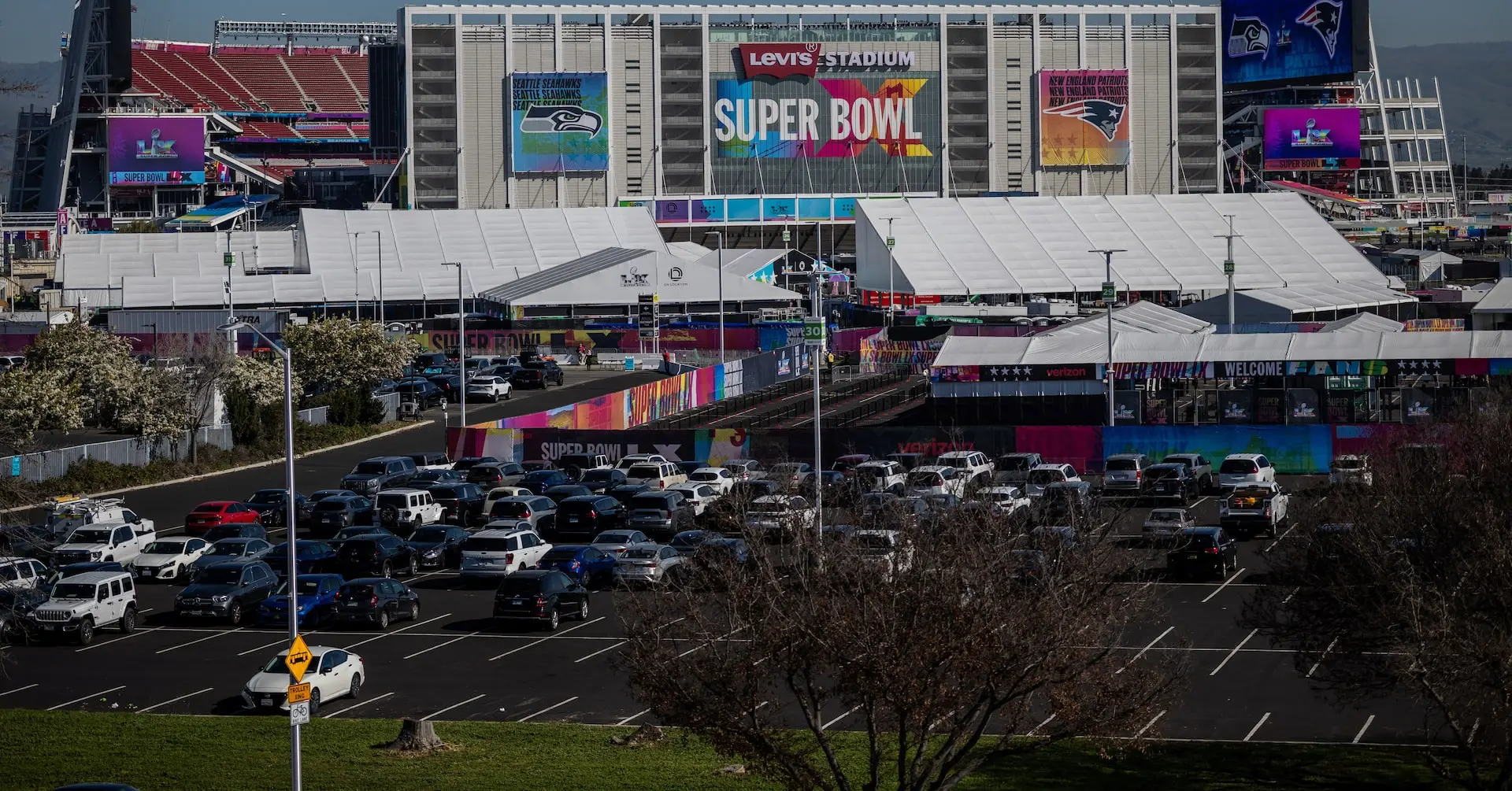
The frustration was compounded by the logistics of getting to Levi’s Stadium. Traffic chaos plagued the area, with fans sharing footage of miles-long tailbacks and some resorting to walking along highways to reach the venue. Public transit options were heavily promoted by local authorities and Silicon Valley officials, who urged attendees to use buses, trains, or rideshares to avoid road closures and congestion. Despite these recommendations, many die-hard supporters still preferred driving, only to be met with these punishing fees.
Official stadium parking, managed through pre-purchased passes, offered somewhat lower rates in certain lots—starting around $170 for nearby “pink” lots and climbing into the thousands for premium or VIP spots—but availability was limited, and many fans turned to off-site alternatives that capitalized on the demand.
This wasn’t the first time Super Bowl parking has drawn criticism, but the scale at Levi’s Stadium seemed particularly acute. For regular San Francisco 49ers games, nearby lots might charge $60 to $80, making the Super Bowl markup feel especially egregious. Third-party operators, unrestricted by official NFL or stadium pricing, appeared to set rates based purely on market dynamics and the once-in-a-lifetime nature of the event.
Some fans speculated that the proximity to high-demand areas in the Bay Area, combined with limited space and massive influx of visitors—estimated at over 1.3 million across the region—created the perfect storm for price gouging.
Local residents and parking app platforms attempted to provide relief. Services like Prked allowed homeowners in Santa Clara and surrounding neighborhoods to rent out driveways or private spots for far lower rates, often around $50 per day, with hosts retaining most of the revenue. These peer-to-peer options gained traction as a way to undercut the official and third-party lots, offering safer, more convenient alternatives while giving locals a chance to benefit from the economic boom. Yet, for those who arrived without pre-booking, the choices remained slim and expensive.
The broader context of Super Bowl expenses only amplified the discontent. Attendees already faced steep costs for flights, hotels, and merchandise, not to mention the high-end food and beverage options inside Levi’s Stadium—where premium items like specialty burgers reached $180. The combination painted a picture of an event increasingly out of reach for average fans, turning what should be a celebratory experience into one marred by financial strain.
Social media threads buzzed with memes and rants comparing the parking fees to outright theft, with some wondering if the NFL or local organizers could have intervened to cap prices or expand affordable options.
As the game unfolded under the lights, with pregame performances and halftime shows adding to the spectacle, the parking controversy lingered as a sour note for many. It highlighted ongoing debates about accessibility in major sports events, where corporate interests and high demand often translate to barriers for everyday supporters. While the on-field action between the Seahawks and Patriots captivated millions watching worldwide, for those physically present in Santa Clara, the exorbitant parking fees became an unwelcome symbol of how even the biggest moments in sports can come with hidden—and painfully high—costs.
In the end, Super Bowl LX will be remembered for its competitive drama and star power, but the fan backlash over parking serves as a stark reminder that the price of attendance extends far beyond the ticket stub. Whether organizers address such issues for future championships remains to be seen, but for now, the outrage stands as a loud chorus from a fanbase feeling squeezed at every turn.