The professional wrestling world was rocked this week when news broke that Powerhouse Hobbs, one of All Elite Wrestling’s most physically imposing and recognizable stars, has officially parted ways with AEW. The announcement sent shockwaves through locker rooms, fan forums, and social media alike, instantly igniting speculation about what really led to the surprising split between Hobbs and AEW President Tony Khan. While both sides have maintained a measured public tone, sources close to the situation suggest that the decision was far more complex than a simple contract disagreement.
Powerhouse Hobbs, real name Will Hobbs, has been a central figure in AEW since his early days with the company. His raw strength, explosive offense, and intense presence made him a natural standout in a roster filled with elite athletes. Fans watched him rise from enhancement talent to championship contender, most notably during his run with the TNT Championship and his involvement in major storylines alongside top names. For many, Hobbs represented the blueprint of AEW’s promise: homegrown talent elevated through opportunity and belief. That is why his sudden departure feels so jarring.
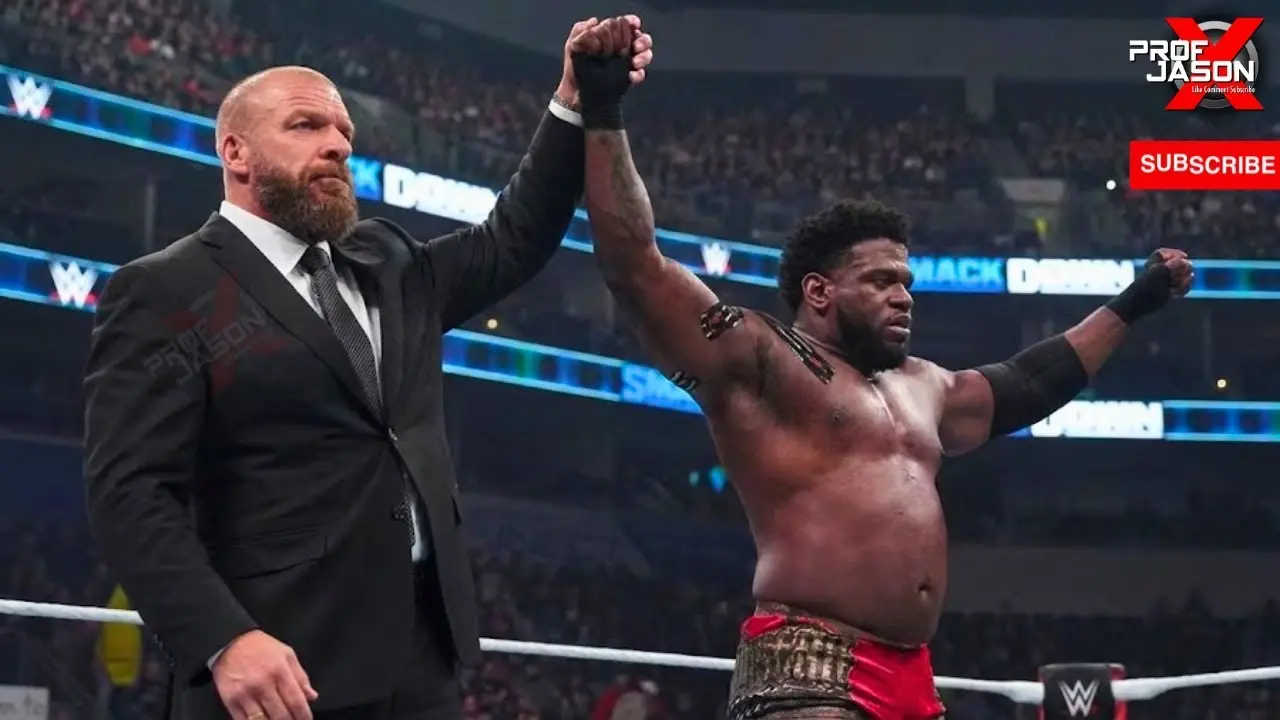
According to multiple industry insiders, Hobbs’ exit was not the result of a single argument or backstage incident. Instead, it appears to have been the culmination of months of quiet frustration. While Tony Khan reportedly made efforts to re-sign Hobbs and keep him within the AEW ecosystem, Hobbs ultimately rejected the offer, believing that his career had reached a crossroads that AEW could no longer address in the way he envisioned.
Those close to Hobbs describe a wrestler who felt he had outgrown his role and was no longer being positioned as the dominant, long-term force he believed he could be.
Creative direction is said to have played a major role in the decision. Despite his undeniable physical gifts, Hobbs’ momentum has often been inconsistent, with stop-start pushes that left fans wondering why he wasn’t a constant fixture at the top of the card. While AEW boasts a deep roster and prides itself on creative freedom, that same depth has sometimes made it difficult for powerhouse wrestlers to maintain sustained focus. Sources indicate that Hobbs wanted clearer long-term plans, stronger booking consistency, and a more defined identity as a main-event-level threat.
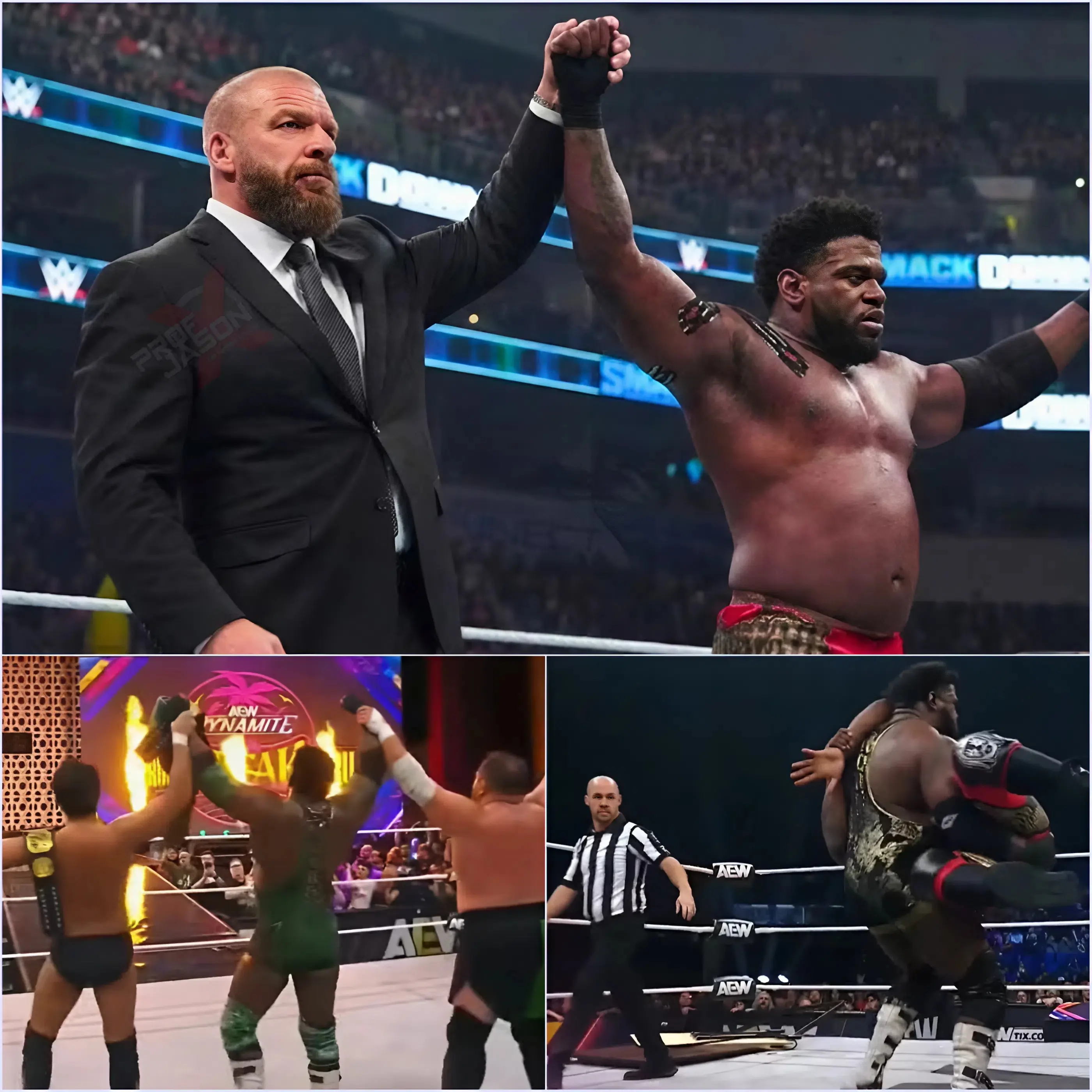
When those assurances failed to fully materialize, doubts began to grow.
There were also reportedly differences in philosophy. Tony Khan is widely respected for his passion, hands-on booking style, and data-driven approach to wrestling. However, some wrestlers have privately expressed that the creative environment in AEW can feel crowded, with limited television time spread across an ever-expanding roster. Hobbs, who believes his prime years are unfolding right now, may have felt that waiting for opportunities was no longer acceptable. For a performer built around dominance and intensity, momentum is everything, and losing it can be career-altering.
Financial considerations, while not the primary factor, cannot be ignored. Wrestling insiders suggest that Hobbs’ value on the open market is at an all-time high. His size, athleticism, and mainstream appeal make him an attractive prospect not only for rival promotions but also for crossover opportunities in entertainment and combat sports. By leaving AEW at this moment, Hobbs positions himself as one of the most intriguing free agents in recent memory. The decision to reject Tony Khan’s offer may have been as much about betting on himself as it was about dissatisfaction.
In the aftermath of the news, fan reaction has been intense and divided. Some supporters applaud Hobbs for taking control of his career and refusing to settle for less than he believes he deserves. Others criticize AEW for failing to fully capitalize on a talent who seemed tailor-made for long-term stardom. Social media has been flooded with fantasy booking scenarios, potential debuts elsewhere, and debates about whether AEW missed a golden opportunity. Regardless of perspective, few deny that Hobbs’ departure leaves a noticeable void.
Tony Khan, for his part, has reportedly expressed respect for Hobbs’ decision, even if disappointment lingers behind the scenes. AEW has always branded itself as a talent-friendly environment, and letting a performer of Hobbs’ caliber walk is not a move taken lightly. Yet the company continues to evolve, and departures are an inevitable part of wrestling’s cyclical nature. What remains clear is that AEW and Hobbs are now charting separate paths, each confident in their own vision for the future.
As for what comes next, the possibilities are endless. Hobbs has made it clear through subtle comments and appearances that he is far from finished proving his worth. Whether he lands in another major wrestling promotion, reinvents himself on a global stage, or surprises fans with an unexpected career move, one thing is certain: Powerhouse Hobbs is determined to show the world that his ceiling is far higher than what he has already achieved.
This moment may ultimately be remembered as a turning point, not just for Hobbs, but for the broader wrestling landscape. His decision to reject Tony Khan was not an act of rebellion, but a declaration of belief in his own potential. In an industry defined by timing, perception, and opportunity, Powerhouse Hobbs has chosen to take a risk on himself. The wrestling world will be watching closely to see whether that gamble pays off.