In a surprising turn of events that has sent shockwaves through Major League Baseball, Alex Bregman has officially departed the Boston Red Sox after just one season to join the Chicago Cubs on a lucrative five-year, $175 million contract. The move, finalized in mid-January 2026, came despite the Red Sox making re-signing their star third baseman a top priority following his strong 2025 campaign in Boston.
Bregman, a three-time All-Star and two-time World Series champion with the Houston Astros, opted out of his player option with the Red Sox and entered free agency once more, ultimately choosing Chicago over multiple offers—including an aggressive one from Boston.

In his introductory press conference with the Cubs, Bregman candidly outlined the key factors behind his decision, providing clarity on what drove him to leave a team where he had expressed genuine affection throughout the previous year. The revelations have particularly stunned Red Sox fans, as they highlight not only contractual preferences but also deeper concerns about stability and organizational approach that ultimately tipped the scales.
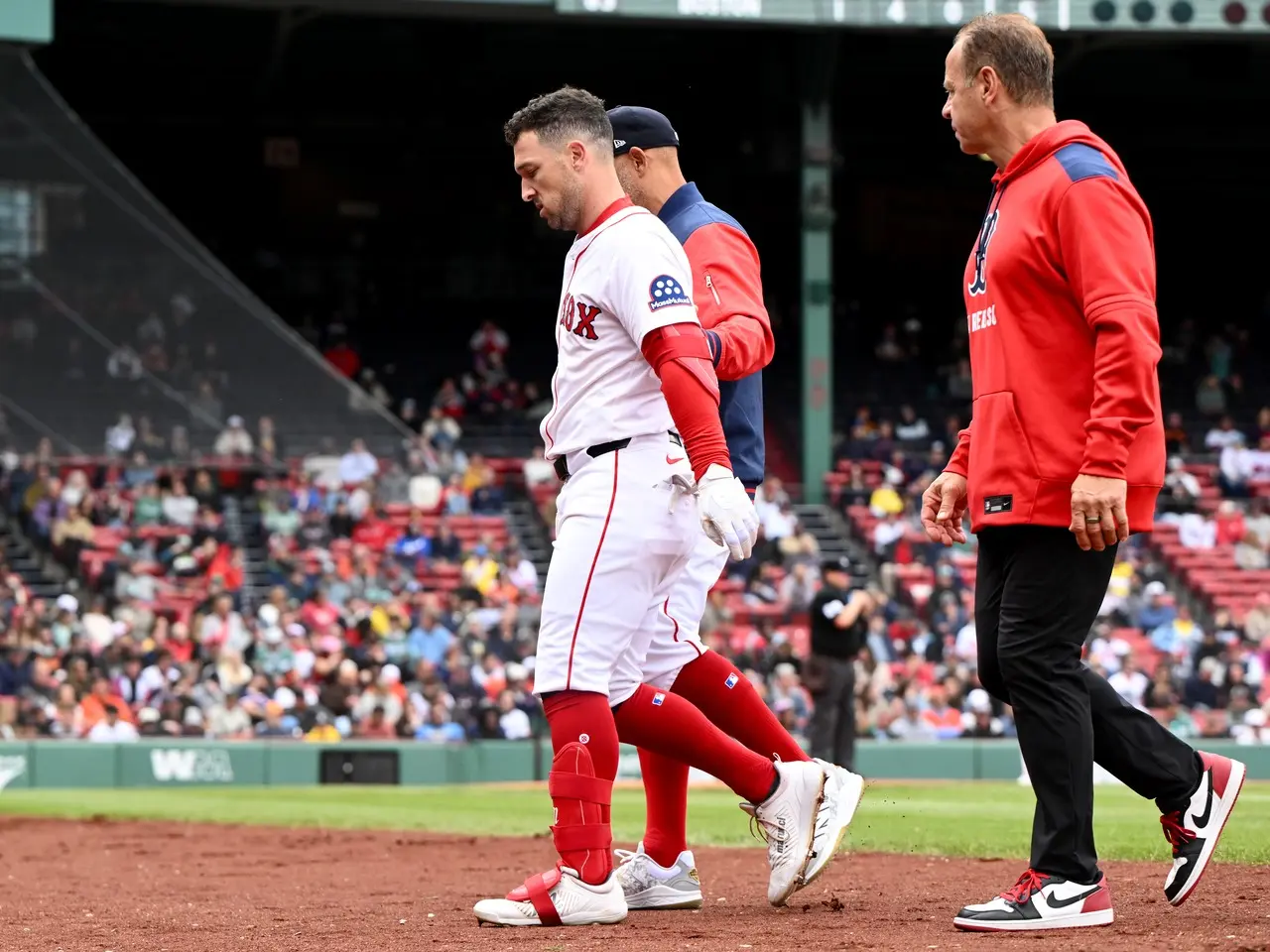
One of the primary reasons Bregman cited was the Cubs’ willingness to include a full no-trade clause in their offer—a provision the Red Sox refused to grant, citing longstanding organizational policy. For Bregman, who has endured the uncertainties of free agency in back-to-back offseasons after nearly a decade of stability in Houston, this clause represented far more than a contractual detail. It ensured he could not be moved without his consent, offering the long-term security he sought for his young family.
“Being able to be in a place that offered stability and a place that showed how much they cared about what was important to me was super-important to myself and my family,” Bregman explained during his Chicago introduction. “I have a young family. We can’t wait to raise our kids here in Chicago.” The absence of such protection in Boston’s proposal, even as they pushed close in total value, proved to be a non-negotiable sticking point.
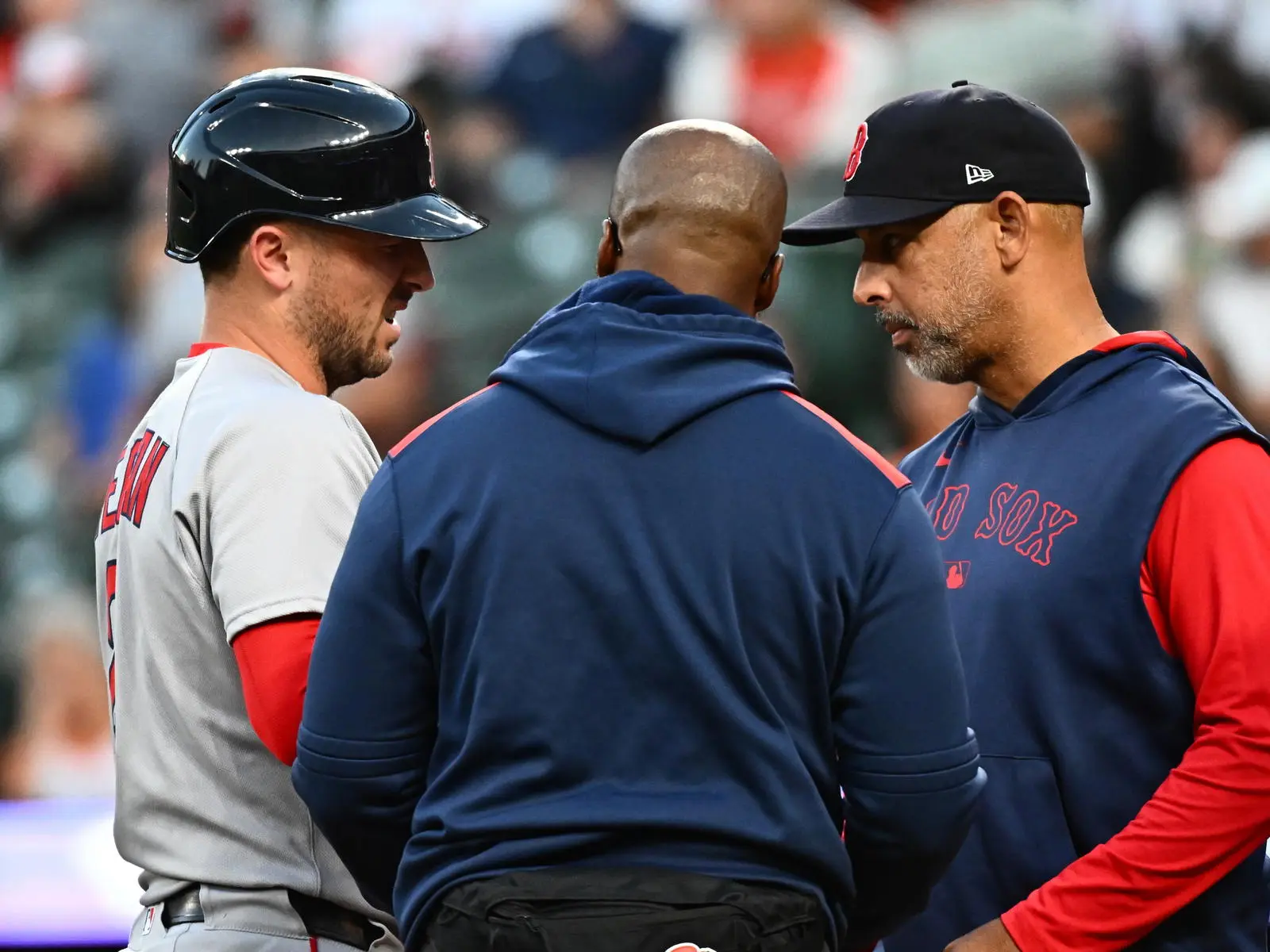
Financial differences also played a significant role. While the Red Sox’ final offer reportedly reached five years and $165 million—with heavy deferrals that stretched payments over decades—the Cubs’ deal edged ahead at $175 million, including more favorable deferral structures that improved the present-day value and provided quicker payouts. Bregman, represented by agent Scott Boras, prioritized not just the headline number but the overall package that maximized immediate and family-oriented benefits. The extra $10 million, combined with better terms on deferrals, made Chicago’s bid more appealing in a market where Bregman had multiple suitors vying for his services.

Beyond the numbers and clauses, Bregman emphasized the Cubs’ demonstrated commitment to his personal priorities. Chicago’s front office actively conveyed how much they valued what mattered most to him—family stability, community integration, and a sense of permanence after years of relocation. This personal touch contrasted with Boston’s more rigid stance on certain terms, which Bregman perceived as less accommodating to his life’s stage.
Having helped guide the Red Sox to their first playoff appearance in four years in 2025—posting a .273 batting average, .360 on-base percentage, 18 home runs, 62 RBIs, and 3.5 WAR in 114 games—Bregman had formed real bonds in Boston. Yet, the opportunity to plant deeper roots in a vibrant city like Chicago, with its family-friendly environment and passionate fanbase, ultimately swayed him.
Underlying these stated reasons are whispers of tensions within the Red Sox organization that Bregman’s departure has brought into sharper focus. While Bregman himself has remained diplomatic, avoiding direct criticism, sources close to the situation suggest frustrations built up over the negotiation process. Boston’s inflexibility on the no-trade clause, despite Bregman’s clear desire for it, highlighted a broader philosophical divide. Some observers point to this as emblematic of ongoing challenges in the Red Sox front office under chief baseball officer Craig Breslow, where competitive pursuits sometimes clash with entrenched policies.
Fans have been left reeling, questioning how a team so invested in retaining a proven leader and clubhouse presence could let him slip away over seemingly resolvable issues.
The fallout for Boston has been immediate and profound. Losing Bregman creates a glaring hole at third base, forcing the club to pivot toward internal options like prospect Marcelo Mayer or potential trades. The Red Sox, who had bolstered their roster in other areas this offseason, now face questions about their ability to attract and retain top talent in a competitive market. Breslow acknowledged the disappointment, stating it was “disappointing to lose out” but emphasizing the need to refocus on delivering a championship contender.
For the Cubs, Bregman’s arrival signals an aggressive push toward contention in the NL Central. Pairing him with their young core elevates expectations, with many viewing the signing as a statement that Chicago is ready to treat World Series contention as the new standard. Bregman brings veteran leadership, postseason experience, elite defense, and consistent production to a team hungry for sustained success.
As spring training approaches, Bregman’s move underscores the high-stakes nature of modern free agency, where dollars, security, and personal fit intersect in complex ways. His four key reasons—stability via the no-trade clause, superior financial structuring, organizational care for family priorities, and the promise of long-term roots in Chicago—paint a picture of a player making a calculated choice for his future. For Red Sox Nation, the departure exposes uncomfortable realities about internal decision-making and locker-room dynamics that may linger long after the ink dries on his Cubs contract.
The baseball world watches closely to see how both franchises evolve from this pivotal moment.