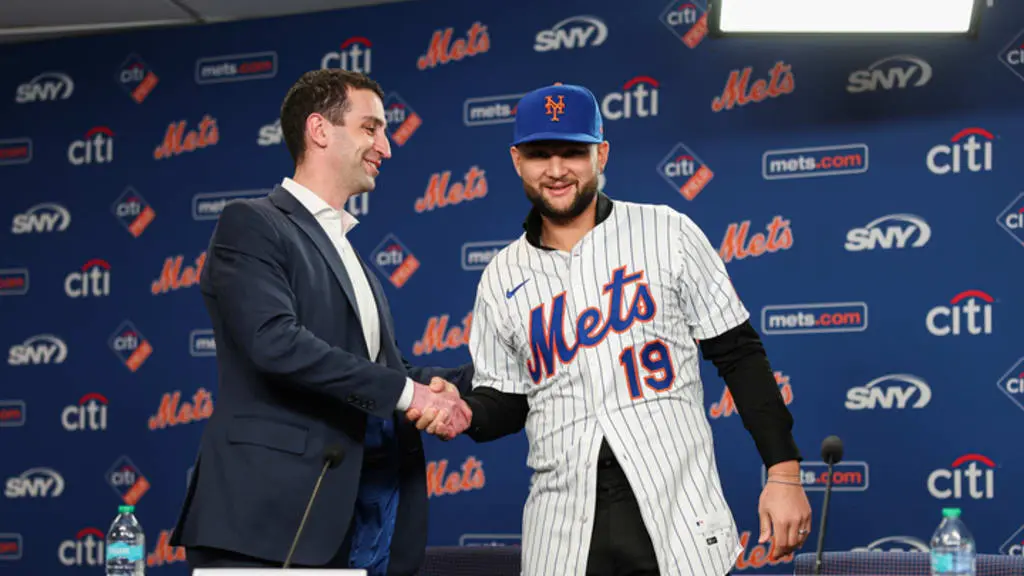
Bo Bichette’s surprising move to the New York Mets on a three-year, $126 million contract has sent shockwaves through Major League Baseball, particularly in Philadelphia, where the Phillies felt they were on the verge of securing the star infielder. The deal, finalized in January 2026 and made official shortly after, includes player opt-outs after the 2026 and 2027 seasons, giving Bichette flexibility while providing the Mets with a high-upside addition at an average annual value of $42 million. This structure allowed Bichette to prioritize shorter-term security with escape clauses over a longer, potentially more lucrative but riskier commitment elsewhere.

The signing came as a major blow to the Philadelphia Phillies, who had reportedly been in advanced discussions with Bichette and even extended a seven-year offer worth around $200 million. Phillies president of baseball operations Dave Dombrowski described the outcome as a “gut punch” for the organization, emphasizing how close the team believed they were to closing the deal. Front-office sources indicated frustration bordering on anger, with some describing the Phillies as “livid” after Bichette opted for the cross-division rival Mets instead.
The Phillies had productive meetings with the player and felt momentum building, only to see the Mets swoop in with a swift pivot after missing out on other targets like outfielder Kyle Tucker, who signed with the Los Angeles Dodgers.
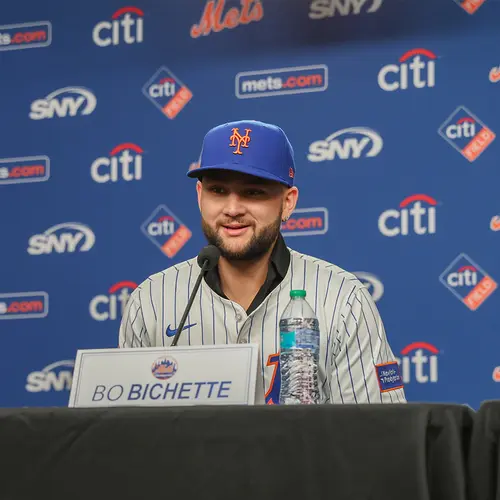
Bichette, a two-time All-Star shortstop during his seven seasons with the Toronto Blue Jays, addressed the media during his introductory press conference at Citi Field. He spoke positively about joining a Mets organization that he described as committed to winning championships annually, highlighting the excitement of playing alongside established stars and in a market hungry for success. These remarks, intended to express optimism about his new chapter, drew sharp criticism from some corners of the baseball world.
Former MLB player and current Phillies broadcaster Ben Davis did not hold back during a radio appearance on 94WIP in Philadelphia. Dismissing Bichette’s comments about the Mets’ winning culture as empty rhetoric, Davis urged the new signee to “blow that smoke somewhere else.” He argued that portraying the Mets—a franchise with inconsistent recent performance and a history of highs and lows—as a perennial contender felt disingenuous, especially when contrasted with the Phillies’ aggressive efforts to build a championship roster.
Davis suggested Bichette’s decision ultimately came down to financial incentives, pointing out the Mets’ deal offered a significantly higher annual salary than what Philadelphia was prepared to provide on a longer term. “It’s a joke,” Davis said, asserting that players often chase the best immediate payday regardless of other factors, and that framing the choice as anything more noble was misleading.
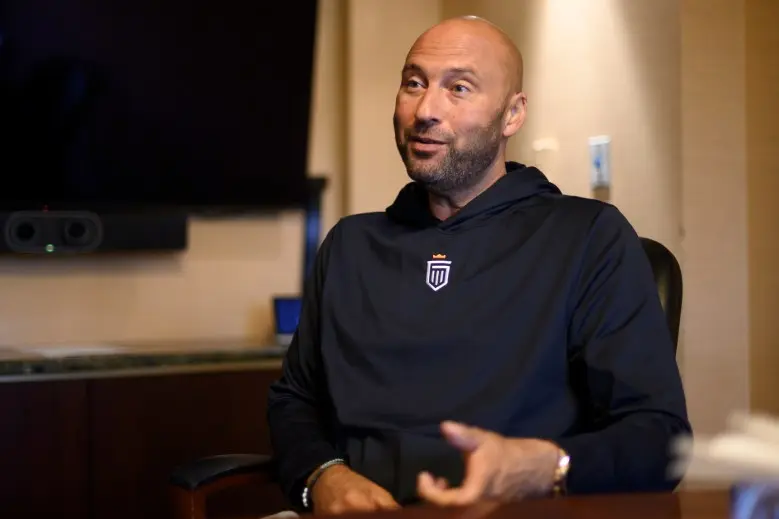
The criticism underscores broader frustrations in Philadelphia, where fans and observers saw Bichette as a perfect fit to bolster an already strong lineup. The Phillies, coming off a competitive but ultimately disappointing push in recent years, had targeted the infielder to add offensive firepower and stability. Losing him to the Mets not only denied them a key piece but also strengthened a direct divisional competitor in the NL East. The rivalry between the two teams added extra sting, turning what could have been a routine free-agent signing into a narrative of betrayal and opportunism.
For Bichette, the move ends a long tenure in Toronto that began when he was drafted by the Blue Jays and developed into one of the game’s premier young hitters. Despite flashes of brilliance, including multiple All-Star selections and strong offensive numbers, recent seasons saw inconsistencies and questions about his long-term fit with the rebuilding Blue Jays. Reports suggested strained relations with club management played a role in his decision to explore free agency fully rather than re-signing in Canada.
While some fans and analysts believed he preferred to stay in Toronto, the combination of organizational direction and a lack of alignment on a new contract pushed him toward new opportunities.
In New York, the Mets view Bichette as a cornerstone of their aggressive offseason push to rebound from a subpar 2025 campaign. Owner Steve Cohen’s willingness to spend has fueled a roster overhaul, with additions like Bichette joining other high-profile acquisitions to form a potent lineup. The infielder is expected to transition to third base—a new position for him—while potentially batting in a prime spot that could maximize his production. Early projections suggest the Mets’ bolstered roster gives them strong playoff odds, and Bichette’s bat could be a difference-maker in a division featuring powerhouses like the Phillies, Braves, and Nationals.
The contract’s opt-out provisions reflect a calculated approach by Bichette and his representatives. At $42 million per year, it ranks among the richer short-term deals in recent free agency, outpacing even some stars on longer contracts in average value. This setup allows him to test the market again soon if he performs well or if circumstances change, providing leverage that a lengthier Phillies offer might not have matched in immediate earnings.
As spring training approaches, all eyes will be on how Bichette adapts to his new surroundings. For Phillies supporters, the sting of the near-miss lingers, amplified by the rival’s gain. Davis’s pointed rebuke—“Just blow that stuff away”—captures the sentiment of those who feel the narrative around the signing glossed over the pragmatic realities of money and opportunity. In the end, Bichette’s choice highlights the cold calculus of free agency: loyalty, geography, and team history often take a backseat to dollars and control.
Whether the move unlocks a resurgent version of the player or proves a risky gamble for the Mets remains to be seen, but it has already reshaped the NL East landscape in dramatic fashion.