In a shocking incident that has reignited debates over animal welfare in harness racing, a chain-reaction crash during a standardbred harness race at Albion Park in Queensland left five horses seriously injured on November 14, 2025. The accident, captured on race footage and widely shared by animal advocacy groups, has been described as one of the most disturbing multiple-horse incidents in Australian racing this year.
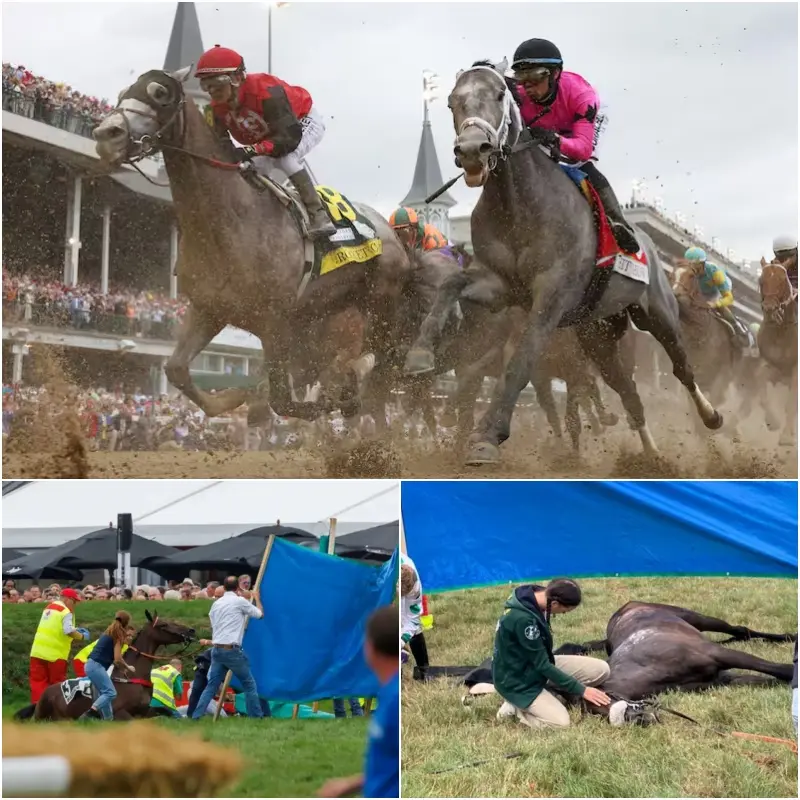
The race unfolded like many others in the harness racing calendar, with horses pulling sulkies—light two-wheeled carts—competing at high speeds around the track. Mid-race, the three-year-old gelding Moonshiner NZ, a New Zealand-bred horse competing in Queensland, suddenly fell. Eyewitness accounts and video replays indicate that the stumble occurred without apparent external interference, possibly due to fatigue, a misstep, or track conditions, though official stewards’ reports have not been publicly detailed in full.
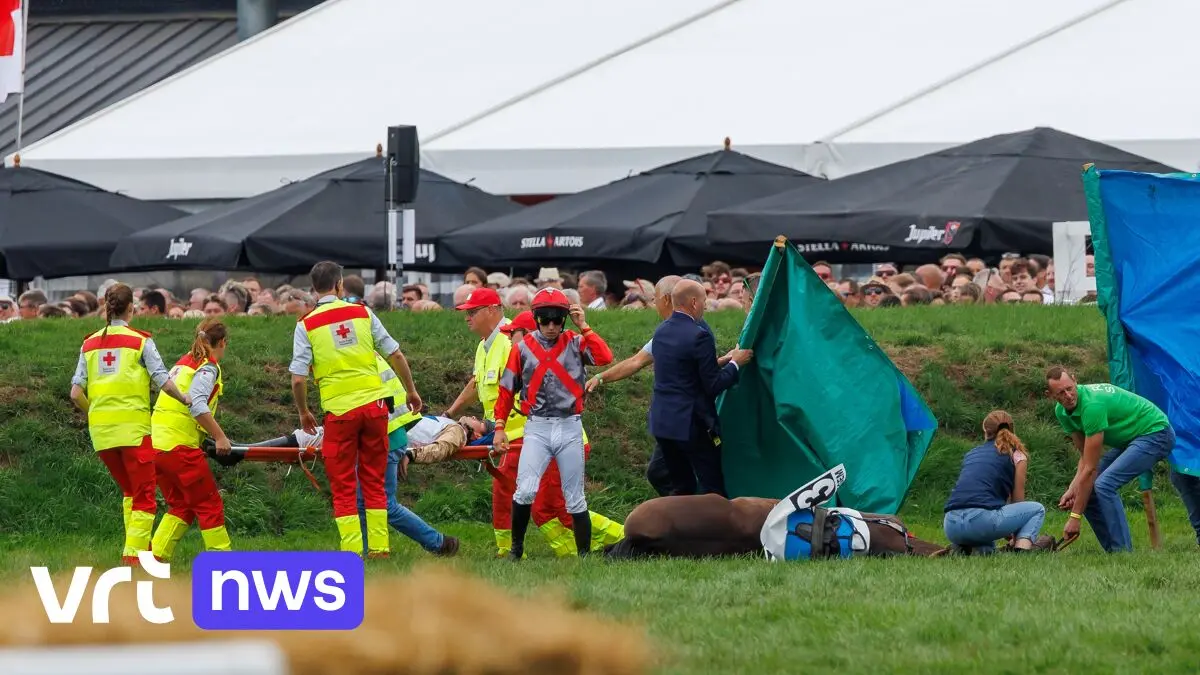
As Moonshiner went down, the trailing horses and their drivers had little time or space to react. In harness racing, where competitors are bunched closely together at speeds often exceeding 50 kilometers per hour, such falls can trigger devastating pile-ups. The horses immediately behind had nowhere to maneuver, slamming into the fallen leader and each other in a chaotic tangle of legs, sulkies, and harnesses. The track momentarily became a scene of confusion, with horses struggling to regain their footing amid broken equipment and scattered debris.
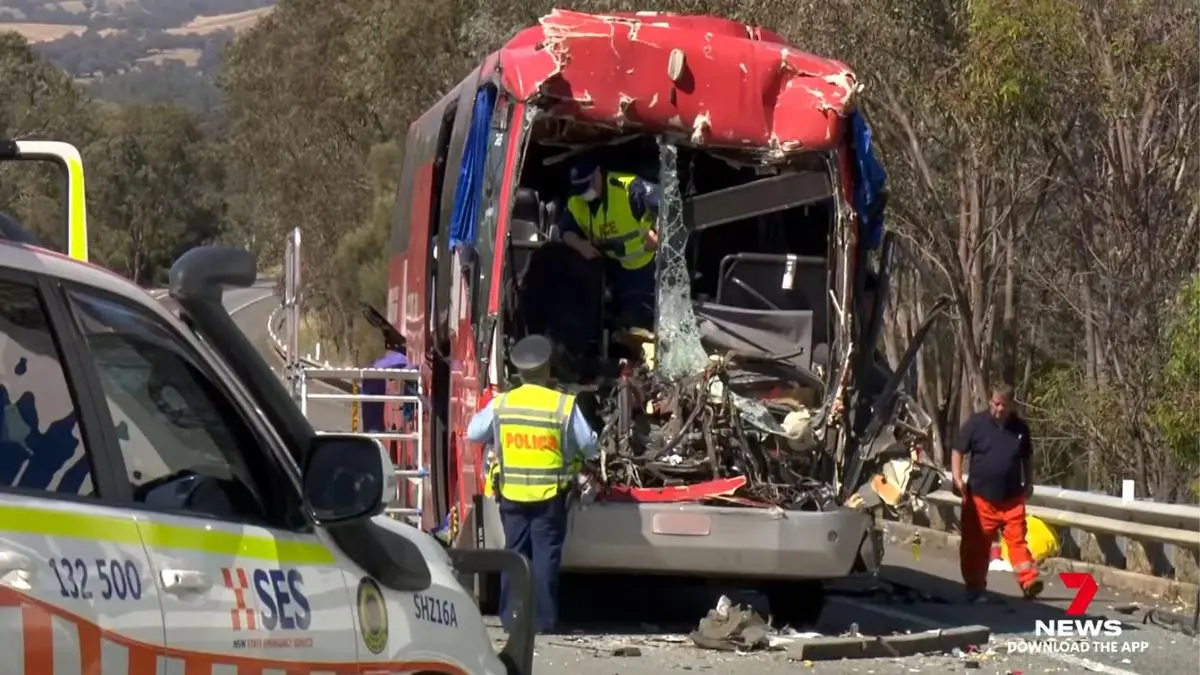
Veterinary assessments at the scene confirmed severe injuries across the field. Moonshiner suffered what was reported as a fractured skull, a catastrophic injury that raises immediate concerns about long-term survival and quality of life. Other horses involved included Copperfield, which sustained deep lacerations to the mouth and face along with a major gash to the shoulder; Perfectly Quirky; and Ideal Assassin, both of which fell heavily and required urgent treatment. A fifth horse was also caught in the melee, contributing to the tally of five injured animals.
Details on the full extent of injuries for the others remain limited, as harness racing authorities in Australia do not maintain a publicly accessible database for tracking the post-incident status of standardbred horses, unlike some thoroughbred registries.
Animal protection advocates quickly condemned the event as emblematic of deeper systemic issues in the sport. The Coalition for the Protection of Racehorses, which shared footage of the incident along with commentary highlighting the lack of transparency, pointed out that such accidents underscore the inherent risks horses face when forced to compete under pressure. Groups argue that the combination of speed, restraint through harnesses and bits, and the close proximity of multiple competitors creates an unacceptable level of danger.
Calls for reform have included demands for better track safety measures, stricter pre-race veterinary checks, and ultimately, a phase-out of racing formats that expose animals to such hazards.
World Animal Protection, a global organization focused on ending animal suffering in entertainment and sport, issued a strong statement in the wake of the crash. The group described harness racing as a dangerous activity that prioritizes human spectacle and wagering over equine well-being. They highlighted how incidents like this contribute to a pattern of injuries—including fractures, lacerations, and fatal outcomes—that occur regularly across Australia and beyond. In their view, the Queensland accident stands out for the sheer number of horses affected simultaneously, labeling it among the deadliest single-race events of the year in terms of immediate multi-animal impact.
The organization reiterated its long-standing position that horse racing, including harness varieties, exposes participants to significant risks of trauma, sometimes leading to catastrophic injury or euthanasia on the track.
Harness racing, also known as trotting or pacing, remains popular in Queensland and other Australian states, with Albion Park serving as a key venue near Brisbane. The sport involves horses pulling sulkies while maintaining specific gaits—trotting or pacing—under the guidance of a driver. Proponents argue it is less physically taxing than flat thoroughbred racing since horses do not carry jockeys, and the emphasis on gait control promotes discipline. However, critics counter that the fixed sulky position limits natural movement, increases the chance of entanglement in crashes, and still subjects horses to high-speed exertion that can lead to breakdowns.
The incident has prompted renewed scrutiny of racing oversight in Queensland. While stewards typically investigate falls and crashes to determine if any rules were breached—such as interference or improper driving—no immediate announcements have indicated penalties or changes stemming from this event. Animal welfare organizations have used the opportunity to push for greater accountability, including mandatory public reporting on injured horses’ outcomes and independent veterinary oversight.
For the horses involved, the road to recovery—if possible—remains uncertain. A fractured skull, as in Moonshiner’s case, often carries a guarded prognosis, with risks of neurological complications, chronic pain, or the need for humane euthanasia. The other injured animals face extended periods of rest, treatment for wounds, and rehabilitation, assuming no underlying fractures or internal damage went undetected initially.
This tragedy adds to ongoing conversations about the ethics of using animals in competitive sports. As footage circulates online, public sentiment appears divided: some defend harness racing as a traditional pursuit with dedicated participants who care for their horses, while others see it as an outdated practice that should be curtailed or banned in favor of non-exploitative alternatives. With no centralized tracking for standardbred welfare outcomes, the full human and animal toll of such accidents often remains hidden from view.
As investigations continue and calls for reform grow louder, the horrific scenes from Albion Park serve as a stark reminder of the vulnerabilities inherent in high-stakes equine competition. For the five horses caught in the chain reaction that November day, the incident may represent more than a single mishap—it highlights broader questions about where society draws the line between sport and suffering.