BREAKING NEWS: NFL Chief Security Officer Cathy Lanier has clarified the league’s stance on the presence of ICE at Super Bowl events. This comes after weeks of speculation and political pressure for the league to remove the agency from its list of security forces.
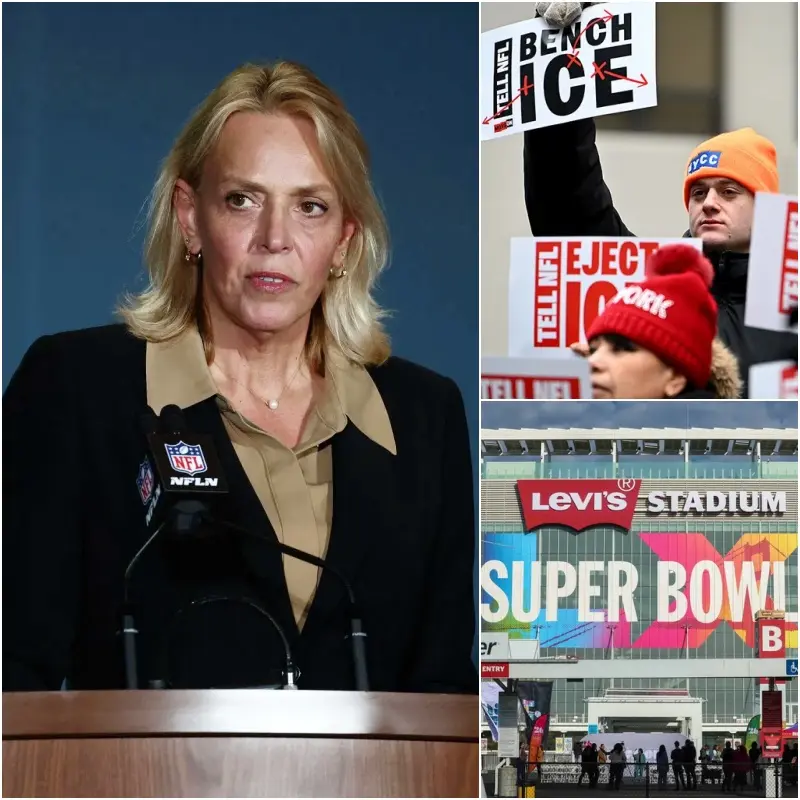
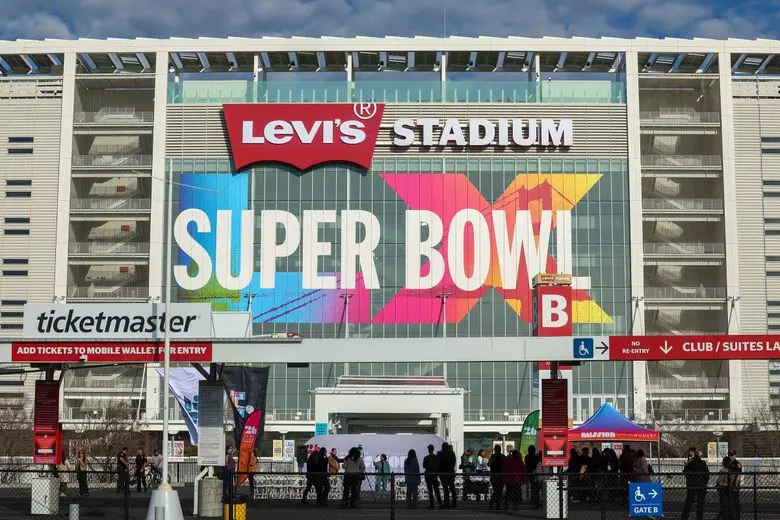
In a decisive statement delivered during a high-profile security and public safety news conference on Tuesday, February 3, 2026, NFL Chief Security Officer Cathy Lanier addressed mounting concerns surrounding the potential involvement of U.S. Immigration and Customs Enforcement (ICE) at Super Bowl LX. Held at Levi’s Stadium in Santa Clara, California, the event is set to draw tens of thousands of fans, celebrities, and media attention this Sunday.
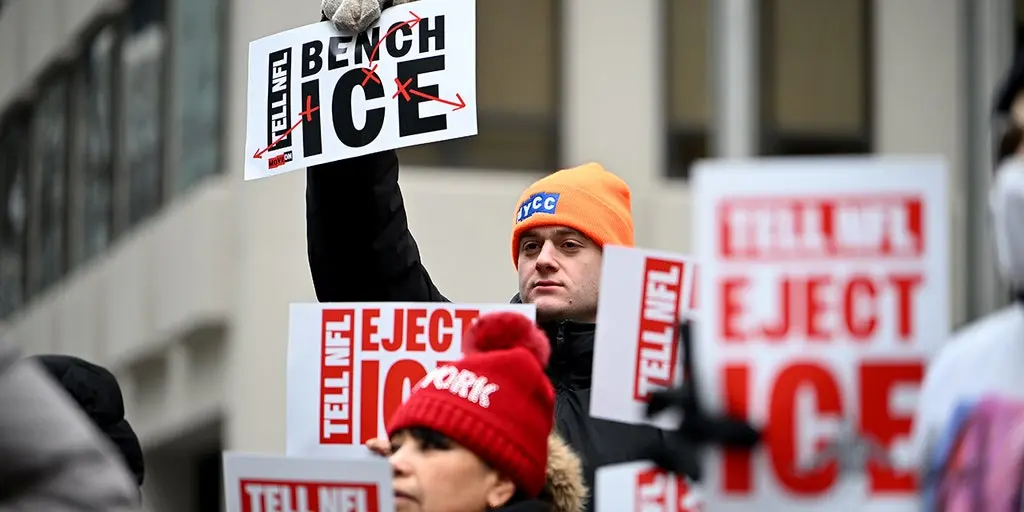
Lanier’s remarks effectively quelled weeks of speculation fueled by political debates, social media rumors, and calls from advocacy groups urging the league to distance itself from federal immigration enforcement amid broader national discussions on immigration policy.
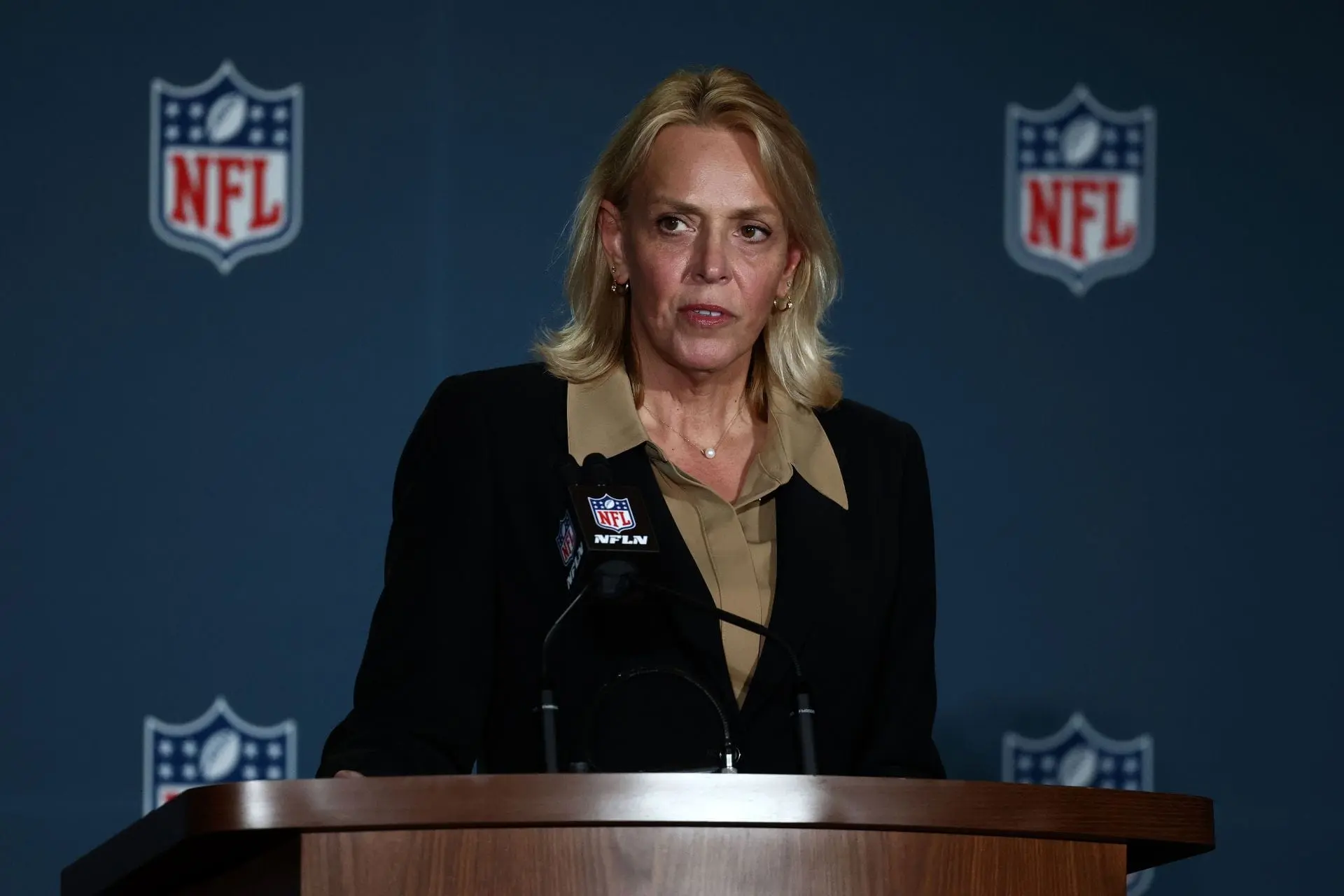
Lanier, speaking with confidence at the briefing in San Francisco, emphasized that the federal security presence for the Super Bowl would align closely with protocols used in previous years. She explicitly stated that ICE would not be part of the operational framework. “There are no planned ICE enforcement activities. We are confident of that,” Lanier declared, directly responding to questions that had dominated headlines leading up to the game.
She further clarified that while the Department of Homeland Security (DHS) remains a long-standing partner in Super Bowl security—contributing various agencies such as the Coast Guard, Secret Service, and others—ICE is not included in the deployment. “There is not ICE deployed with us at the Super Bowl, and I don’t believe there has been in the last several,” she added, underscoring the consistency of these arrangements over time.
The clarification arrives against a backdrop of heightened sensitivity around immigration enforcement. Recent months have seen intensified national conversations on border security and deportation policies, particularly under the current administration’s priorities. Speculation about ICE’s potential role at major public events like the Super Bowl intensified after reports of DHS coordination with local officials and the NFL. Some sources had suggested federal agents might maintain a presence for general safety, leading to fears among immigrant communities and advocates that routine enforcement could occur in the Bay Area during the high-visibility week.
Advocacy organizations and local leaders in sanctuary-oriented jurisdictions like San Francisco had pressed for assurances that the event would not become a venue for immigration actions.
Lanier’s comments were bolstered by parallel assurances from other officials. A memo from the Bay Area Host Committee, which helps organize Super Bowl festivities, had already informed local authorities that no ICE operations were anticipated. DHS representatives, including special coordinator Jeff Brannigan, participated in private briefings where they indicated no planned law enforcement actions tied to immigration during the Super Bowl period. These discussions aimed to reassure stakeholders that security measures would focus solely on public safety threats, not immigration status checks.
The NFL has long treated the Super Bowl as a National Special Security Event (NSSE), specifically designated as a SEAR 1 event—the second-highest risk level for large-scale gatherings. This classification brings in a multi-layered response involving more than 35 federal, state, and local agencies. Lanier highlighted that this collaborative approach has been refined over decades, ensuring comprehensive protection without venturing into unrelated enforcement domains.
She also noted the absence of any known specific or credible threats targeting the game or its ancillary events, allowing organizers to maintain focus on traditional security priorities such as crowd management, terrorism prevention, and emergency response.
The statement reflects the league’s careful navigation of a politically charged landscape. The NFL, as one of America’s most prominent sports institutions, often finds itself at the intersection of culture, commerce, and controversy. Past Super Bowls have faced scrutiny over issues ranging from player protests to stadium policies, and the league has sought to balance inclusivity with operational realities. By publicly affirming no ICE involvement, the NFL appears to respond to pressure from fans, players, and communities concerned about the event’s accessibility and the potential chilling effect on attendance from diverse populations.
Critics and supporters of stricter immigration policies have weighed in variably. Some conservative voices expressed skepticism about the assurances, pointing to broader DHS roles and questioning whether “unplanned” actions could still occur. Others praised the clarity as a step toward depoliticizing the event and prioritizing fan experience. Immigrant rights groups, while acknowledging the statement, indicated plans to use the Super Bowl’s platform for continued advocacy against enforcement practices elsewhere.
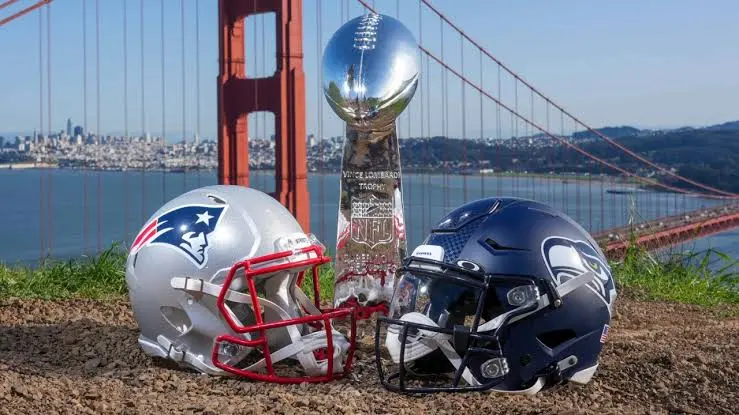
As Super Bowl LX approaches—featuring a matchup that has captured national interest—the focus now shifts back to the field, the halftime show, and the spectacle that defines the event. Lanier’s briefing provides a measure of reassurance that security will emphasize protection rather than division. With no credible threats reported and federal partnerships firmly in place minus ICE enforcement, organizers express optimism that the game will proceed as a unifying celebration of sport.
The NFL’s stance reinforces its commitment to hosting inclusive, secure mega-events. As Lanier and her team coordinate final preparations, the league hopes this clarification allows fans of all backgrounds to enjoy the championship without lingering concerns over unrelated federal actions. The Super Bowl, often described as America’s unofficial holiday, proceeds with its traditional blend of athletic excellence, entertainment, and communal excitement, unencumbered by the immigration enforcement speculation that preceded it.