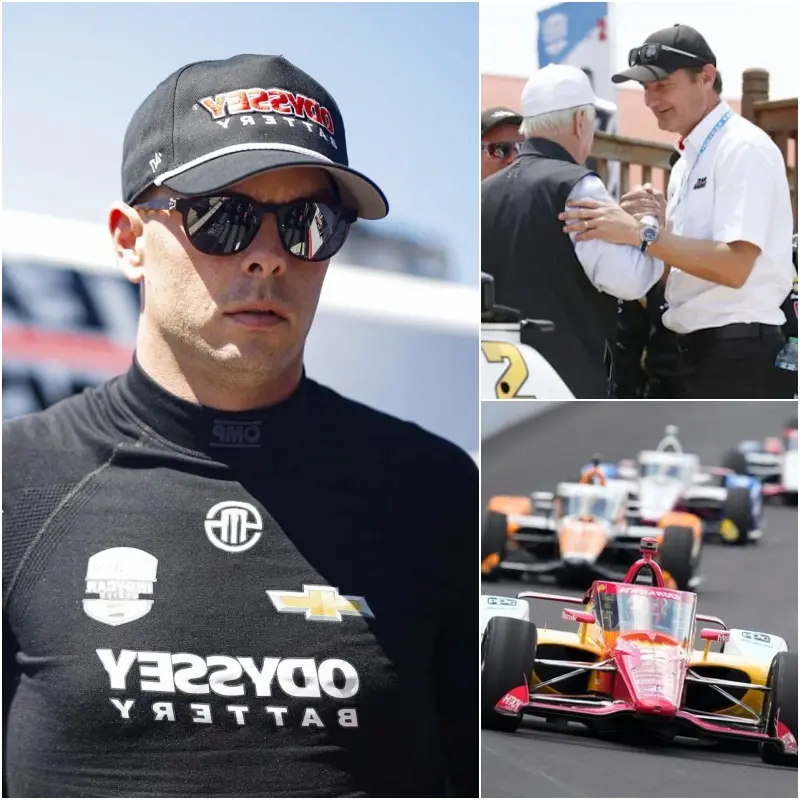
The recent announcement that Tim Cindric is returning to Team Penske as Scott McLaughlin’s race strategist for the 2026 NTT IndyCar Series season has ignited a wave of debate across the motorsport community. The move comes less than a year after Cindric’s high-profile dismissal from the organization amid a damaging technical infraction at the 2025 Indianapolis 500. While Team Penske driver Scott McLaughlin has voiced strong support for the reunion, many fans and observers have expressed skepticism, with some directly questioning the optics for team owner Roger Penske.
Cindric, a veteran executive with over 25 years at Team Penske, previously served as president of the team’s IndyCar program. His tenure was marked by significant successes, including multiple championships and Indianapolis 500 victories. However, that chapter ended abruptly in May 2025 when IndyCar officials discovered unapproved modifications to the rear attenuators—safety devices meant to absorb impact forces—on the cars driven by Josef Newgarden and Will Power during qualifying for the 109th running of the Indianapolis 500.
The attenuator, a spec component that teams are prohibited from altering, had been modified with fillings and smoothing in the seams, allegedly to gain an aerodynamic edge.
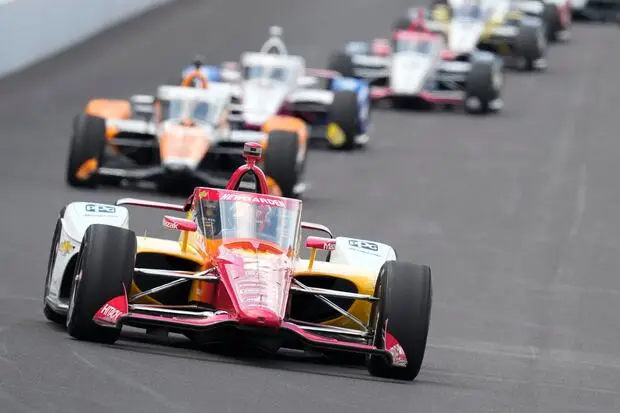
The infraction led to immediate penalties: Newgarden and Power were demoted to the back of the grid, starting 32nd and 33rd respectively, despite strong qualifying performances. The team forfeited qualification points, lost pit box selections, and each entry was fined $100,000. Strategists for the affected cars were suspended for the race. In the aftermath, Roger Penske—known for his emphasis on integrity and who also owns Indianapolis Motor Speedway and the IndyCar Series—took decisive action by parting ways with Cindric, IndyCar managing director Ron Ruzewski, and general manager Kyle Moyer.
The firings were seen as a firm statement of accountability, especially given Penske’s dual role as team owner and series steward.
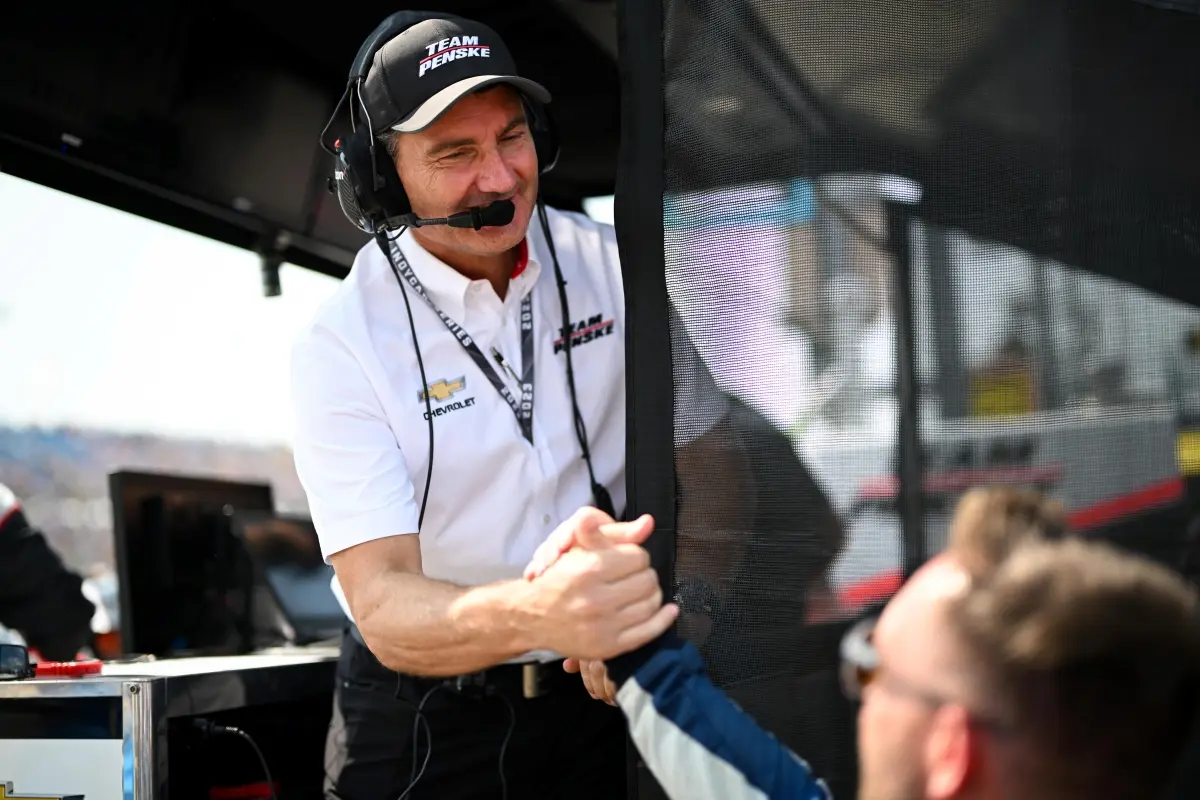
The scandal echoed a prior issue for Team Penske in 2024, when illegal push-to-pass software use resulted in disqualifications and penalties for Newgarden and McLaughlin at the season opener in St. Petersburg. That incident had already raised questions about the team’s adherence to rules under intense scrutiny. The 2025 attenuator controversy amplified those concerns, with rivals and fans accusing Penske of exploiting gray areas or outright bending regulations. Some pointed out that similar modifications appeared to have been in use for over a year without detection, fueling frustration over enforcement consistency.
Cindric’s return in a more limited capacity—as a part-time race strategist focused primarily on weekends for McLaughlin’s No. 3 Chevrolet—marks a notable reversal. Team Penske announced the strategist lineup on January 29, 2026, confirming Cindric’s role alongside others for the team’s drivers. The decision aligns with Cindric’s reported desire for a reduced workload after stepping back from broader responsibilities, allowing him to balance family and other interests while staying involved in racing.
McLaughlin, the New Zealand driver who transitioned from Supercars to IndyCar under Penske’s banner, wasted no time endorsing the move. In a post on social media platform X, he wrote: “Tim Cindric is a huge part of why I was able to make the journey from Australia to the IndyCar Series. We’ve had a very close relationship for many years and he’s been a tremendous help to my career. I’m so excited to get to work with him in this capacity in 2026. I’ve wanted to have TC on my stand from the moment I got here.
His experience, knowledge, and focus are world class and I’m pumped he’s joining the #Thirsty3s. Bring on St. Pete.”
McLaughlin’s enthusiasm highlights the personal and professional bond he shares with Cindric, crediting him for guidance throughout his career. Yet the announcement has divided fans. While some appreciate the continuity of expertise and view it as a pragmatic choice for a driver aiming to contend for wins and championships, others see it as undermining the consequences of the 2025 scandal.
Comments on social media and forums have included pointed criticism, with one fan responding to McLaughlin’s message by stating, “This isn’t a good image for Roger Penske,” capturing a sentiment shared by many who feel the rehiring sends mixed signals about accountability.
The damper—or attenuator—scandal remains fresh in the minds of the IndyCar paddock. It not only embarrassed a powerhouse team but also raised broader questions about technical oversight in a series where Penske holds significant influence. Roger Penske’s decision to bring Cindric back, even in a diminished role, suggests a belief in redemption and the value of his contributions, particularly for a program like McLaughlin’s that seeks to elevate its performance. McLaughlin, who has shown flashes of brilliance but is yet to claim an Indy 500 victory or series title, stands to benefit from Cindric’s strategic acumen honed over decades.
As the 2026 season approaches, starting with the Grand Prix of St. Petersburg, all eyes will be on how this reunion plays out on track. Team Penske enters the year with a point to prove, aiming to restore its reputation for excellence while navigating the lingering shadow of controversy.
For fans, the debate continues: Is this a smart, forgiving move that prioritizes talent and relationships, or does it erode trust in the sport’s commitment to fair play? The answer may unfold lap by lap throughout the season, but for now, Tim Cindric’s return has ensured that the conversation around Team Penske remains as intense as ever.