The British Horseracing Authority (BHA) is expanding its investigation into a large-scale match-fixing ring involving jockey Dylan Kitts, who has been banned for nine years after being found guilty of deliberately holding back his horse Hillsin to prevent him from achieving top rankings in order to profit up to £11 billion, causing a severe economic crisis in the British horse racing industry in early 2026.

In a development that has sent shockwaves through the sport, the BHA announced on February 3, 2026, that its probe, initially focused on the high-profile corruption case surrounding the 2023 Worcester race, is now broadening to uncover what authorities describe as a potentially widespread network of manipulation.
The announcement comes amid growing concerns that isolated incidents of race-fixing may be part of a larger syndicate exploiting betting markets and undermining the integrity of British horse racing.
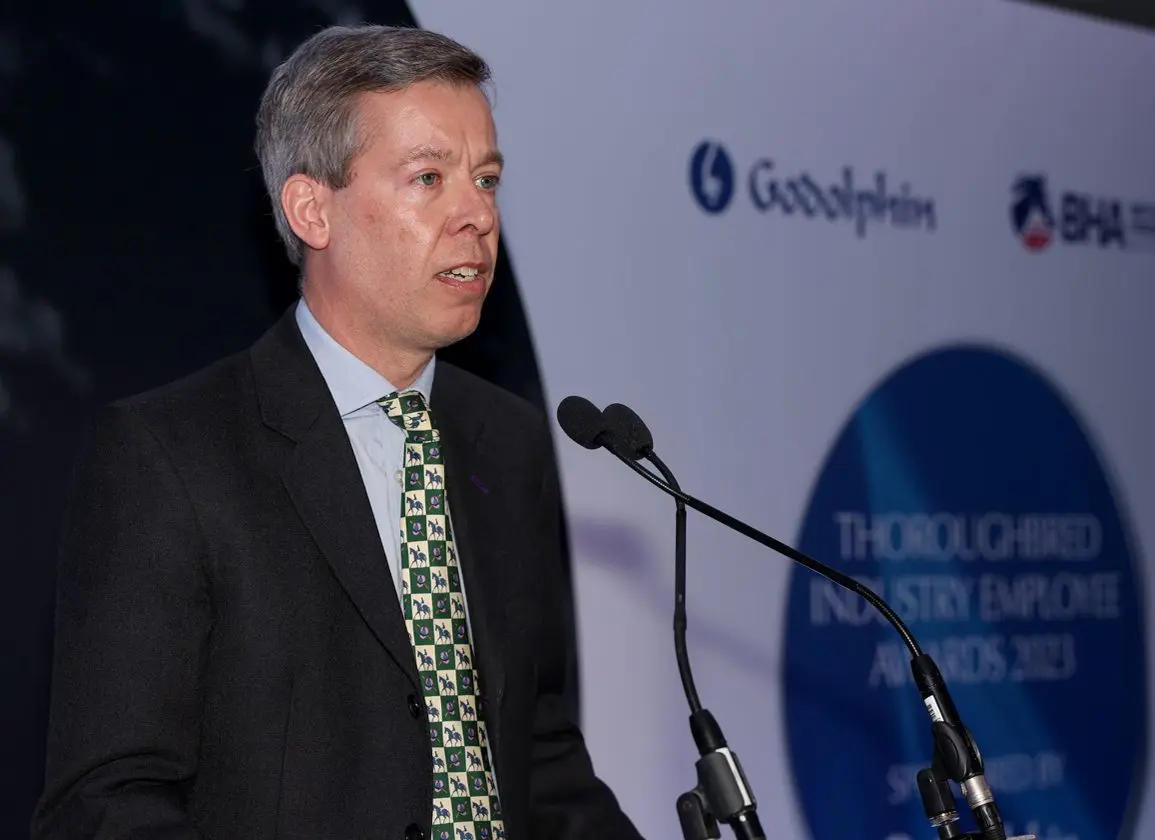
Dylan Kitts, a 24-year-old conditional jockey at the time of the incident, received a nine-year disqualification from the BHA’s independent disciplinary panel in late November 2025.
The ban, backdated to July 13, 2023—shortly after the controversial ride—was imposed following findings that Kitts conspired with John Higgins, an associate of Hillsin’s owner Alan Clegg, to stop the horse from performing to its full potential.
Higgins, aged 79 during the proceedings, was handed a 12-year exclusion order for orchestrating the scheme, which the panel described as involving grooming of the young rider with promises of future opportunities and financial incentives.

The incident centered on a Class 5 handicap hurdle at Worcester Racecourse on July 5, 2023, during the Wacky Weekender Festival. Hillsin, an Irish-bred gelding, entered the race as a strong contender but drifted dramatically in the betting from an overnight favorite at around 2-1 to 11-1 at the off.
Video footage and steward observations showed Kitts riding in an unusually passive manner, holding onto the horse without urging it forward in the closing stages despite being in a challenging position for third place.
The panel concluded that Kitts deliberately prevented Hillsin from achieving its best possible position, breaching Rule (J)25.2 of the Rules of Racing by engaging in a corrupt or fraudulent practice.
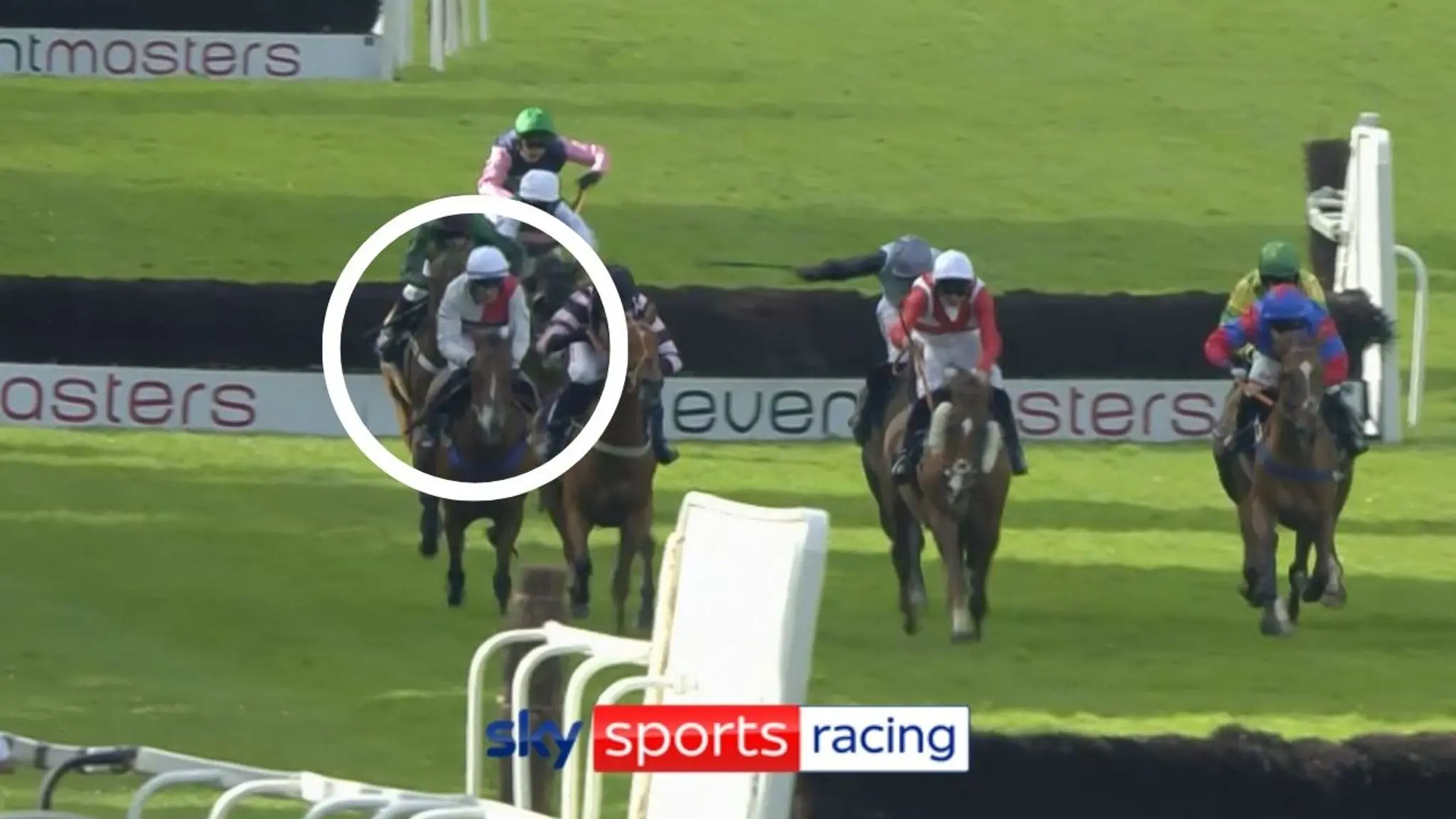
Kitts admitted during the disciplinary hearing that he had not allowed the horse to run on its merits, though he claimed influence from Higgins played a significant role. The BHA’s statement emphasized that such actions erode public confidence and disregard the efforts of thousands involved in the industry.
Following the race, Hillsin faced a 40-day ban from competition, and trainer Chris Honour was fined £750 for providing misleading evidence at a related stewards’ inquiry.
While the original case appeared limited to this single race—with profits linked to lay betting on betting exchanges—the BHA’s recent expansion suggests evidence has emerged pointing to a broader operation.
Sources close to the investigation indicate that forensic analysis of betting patterns, telephone records, and financial transactions has revealed connections to multiple individuals and possibly other races.
The claimed figure of up to £11 billion in potential illicit profits has raised eyebrows, as it far exceeds typical gains from individual race-fixing.
Industry experts note that sustained manipulation across numerous events could theoretically accumulate massive sums through coordinated betting syndicates, particularly if involving high-volume lay bets or international markets.
However, no official confirmation from the BHA has quantified the exact scale, and the £11 billion estimate appears tied to speculative projections of systemic damage rather than proven direct gains.
The economic fallout has been profound. British horse racing, a sector contributing billions annually through betting turnover, prize money, employment, and tourism, has faced a turbulent period in early 2026. Attendance at meetings has dipped, with some reports indicating a 15-20% drop in on-course crowds since the scandal broke wider.
Off-course betting handle has shown volatility, as punters express distrust in race outcomes. Major sponsors have paused negotiations, and several racecourses have reported reduced media rights deals amid fears of reputational harm.
The crisis has compounded existing challenges, including rising operational costs, equine welfare concerns, and competition from other gambling forms.
The BHA has vowed a thorough and transparent process, collaborating with betting regulators and law enforcement where necessary. A spokesperson reiterated the organization’s commitment to protecting the sport’s integrity, stating that the expanded investigation aims to root out any connected parties and prevent future abuses.
Penalties in the initial phase were described as sending a strong deterrent message, but the ongoing probe could lead to further disqualifications, fines, or even criminal referrals if evidence of organized crime emerges.
For stakeholders, the developments underscore vulnerabilities in a sport reliant on trust. Jockeys, trainers, owners, and breeders have called for enhanced monitoring, including real-time betting scrutiny and stricter licensing.
The case has also highlighted the risks faced by young riders entering the profession, with the panel noting Kitts’s relative inexperience and vulnerability to manipulation at age 21.
As the investigation unfolds, the British horse racing community watches anxiously. The sport’s resilience has been tested before, but the scale suggested here—if substantiated—could mark one of its most significant integrity challenges in decades.
Recovery will depend on swift, decisive action to restore faith among participants and the betting public alike.
With millions in prize money, livelihoods, and tradition at stake, the coming months will be pivotal in determining whether this scandal becomes a turning point for reform or a lingering scar on an historic industry.