THE WORST SUPERBOWL IN AMERICAN HISTORY
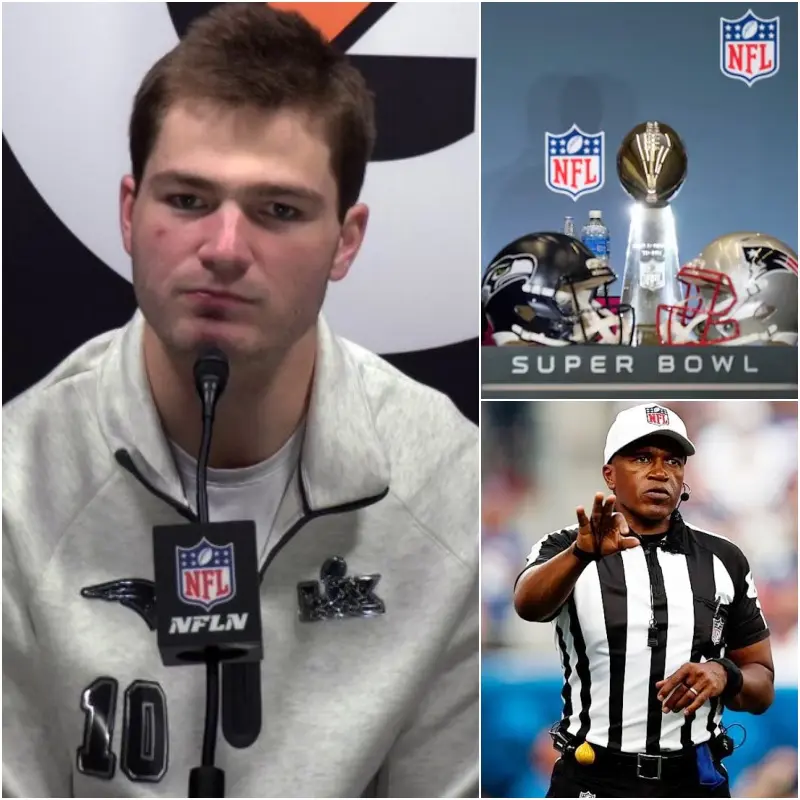
The Super Bowl has long stood as America’s premier sporting spectacle, a showcase of athletic excellence, dramatic narratives, and national unity every February. Yet in 2026, Super Bowl LX threatens to go down as one of the most tarnished chapters in the league’s storied history. A cascade of referee decisions during the playoffs—culminating in the heated AFC Championship clash involving the New England Patriots—has ignited unprecedented public fury. Fans, analysts, and even players are questioning whether the NFL’s biggest game can retain its integrity amid mounting accusations of incompetence and opacity.
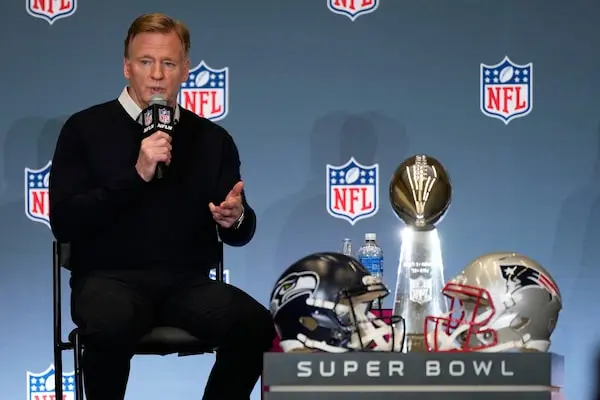
The controversy traces back through the postseason, where questionable calls repeatedly shifted momentum in critical moments. In the divisional round, a Patriots game against the Houston Texans saw officials nullify what appeared to be a legitimate touchdown due to a marginal illegal shift penalty, sparking debates over consistency. Similar grievances surfaced in other matchups, including a no-call on pass interference and a premature whistle that halted a potential scoring play. These incidents built a narrative of officiating woes that exploded in the AFC Championship against the Denver Broncos.
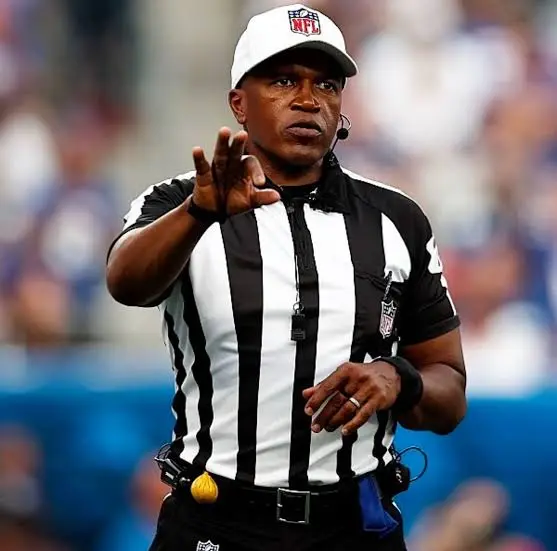
In that snowy, low-scoring battle, the Patriots secured a narrow 10-7 victory to punch their ticket to the Super Bowl. But the path was marred by multiple disputed moments. One pivotal sequence involved referees blowing the play dead on what many believed should have been a touchdown pass, ruling it incomplete and forcing fourth down instead. Another flashpoint came on a crucial fourth-and-1 quarterback sneak by Drake Maye. The young signal-caller plunged forward, and officials initially appeared to spot the ball short before ultimately awarding the first down after deliberation. Broncos coach Sean Payton challenged the call, but the ruling stood—despite social media replays fueling arguments that Maye fell inches shy. Critics pointed out the league’s failure to employ advanced digital measurement tools consistently, amplifying perceptions of human error or inconsistency.
These decisions didn’t just affect outcomes; they eroded trust. Social media erupted with clips, frame-by-frame breakdowns, and accusations ranging from bias to outright incompetence. Prominent voices, including sports personalities, amplified the discontent, with some labeling the officiating as “blatantly cheating” in earlier games. The outrage transcended team loyalties, as fans across the league expressed frustration with a system that seemed prone to game-altering mistakes in the highest-stakes moments.
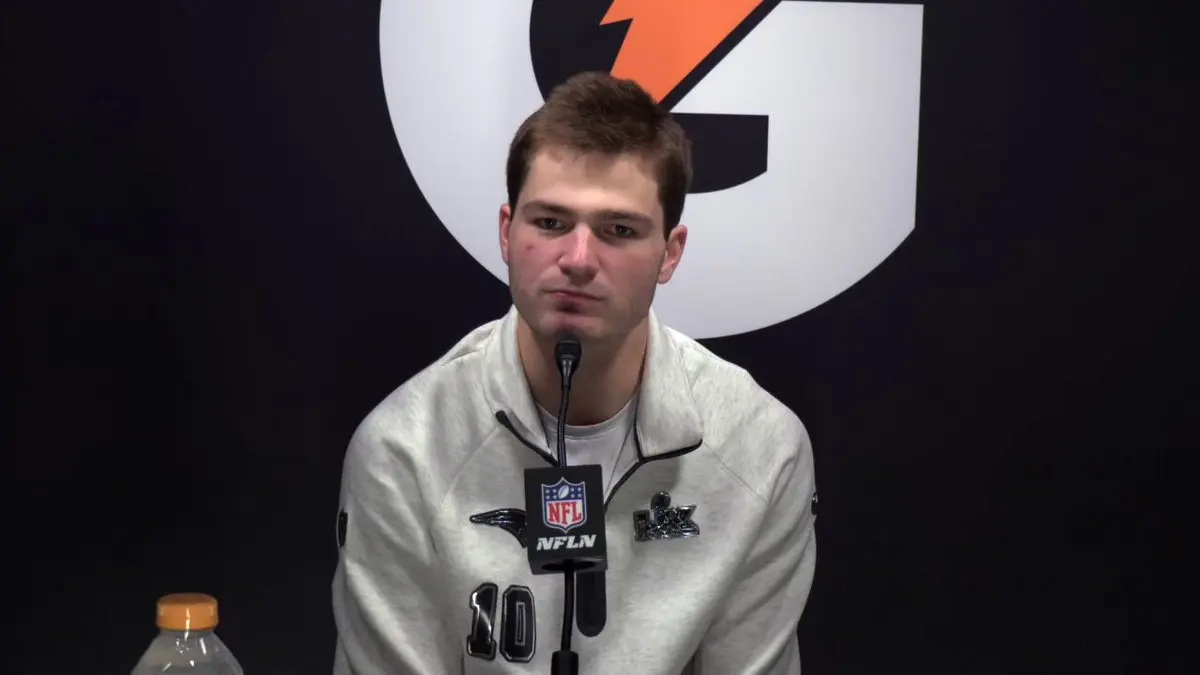
At the center of the storm stands Patriots quarterback Drake Maye. The second-year phenom, already a frontrunner for accolades due to his poised performances, has emerged as a vocal advocate for change. Following earlier incidents—including a missed defensive pass interference in a regular-season matchup—Maye has spoken candidly about wanting referees to perform at the same elite level as players. In the wake of the playoff controversies, he escalated his stance, publicly demanding greater transparency from the NFL. Maye called for clearer explanations of review processes, better communication between the league office and on-field officials, and perhaps even more accountability for crews in championship games. His comments resonated deeply, framing the issue not as sour grapes from one team, but as a broader threat to the sport’s credibility.
The fan response has been visceral. Across stadiums, social platforms, and broadcast reactions, millions have united in a growing chant: “DON’T TURN AMERICA’S BIGGEST GAME INTO A WORLD JOKE!!!” The phrase captures a widespread fear that the Super Bowl—already under scrutiny for various off-field issues—could devolve into a farce if officiating flaws persist. Hashtags decrying “rigged” games and calls to “investigate the refs” have trended relentlessly, with some even questioning the selection of officials for the big game itself. The NFL’s silence or measured responses have only poured fuel on the fire, as supporters demand reforms like expanded replay protocols, independent oversight, or full disclosure of review deliberations.
As Super Bowl LX approaches, the league faces a critical juncture. The event draws hundreds of millions of viewers worldwide, serving as a cultural touchstone far beyond football. If unresolved referee controversies overshadow the on-field action, the damage could linger for years. Players like Maye, by leveraging their platforms, highlight a generational shift: younger stars are less willing to accept systemic shortcomings quietly. Their push for transparency could force meaningful changes, from better training to technological integration.
Yet the clock is ticking. With kickoff looming, the NFL must address these concerns swiftly to restore faith. Otherwise, what should be a celebration of the sport’s pinnacle risks becoming a symbol of its vulnerabilities. The Super Bowl deserves better than to be remembered for whistles, flags, and fury rather than touchdowns, heroics, and unforgettable drama. The stakes extend beyond one game—they concern the very soul of America’s favorite pastime.