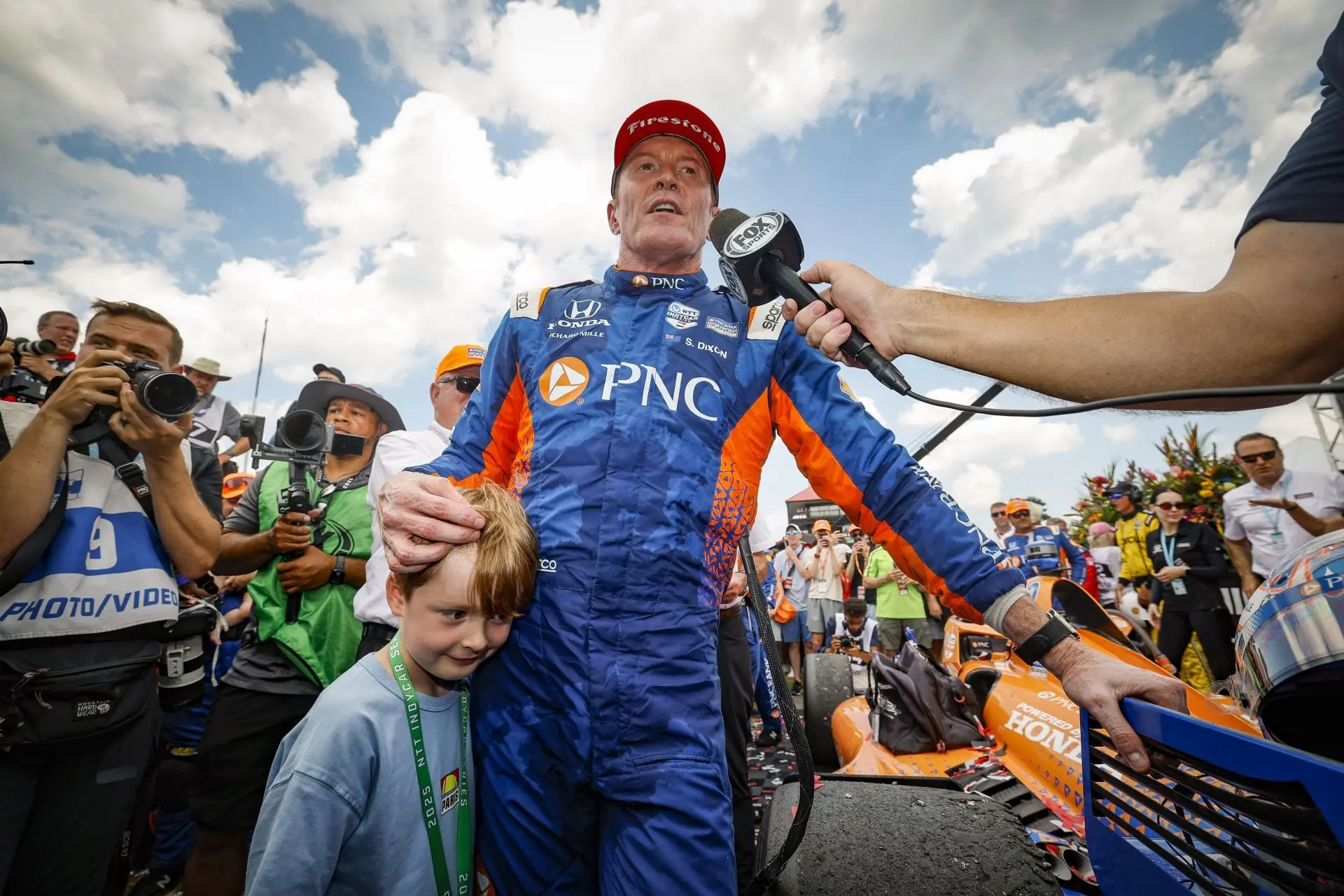
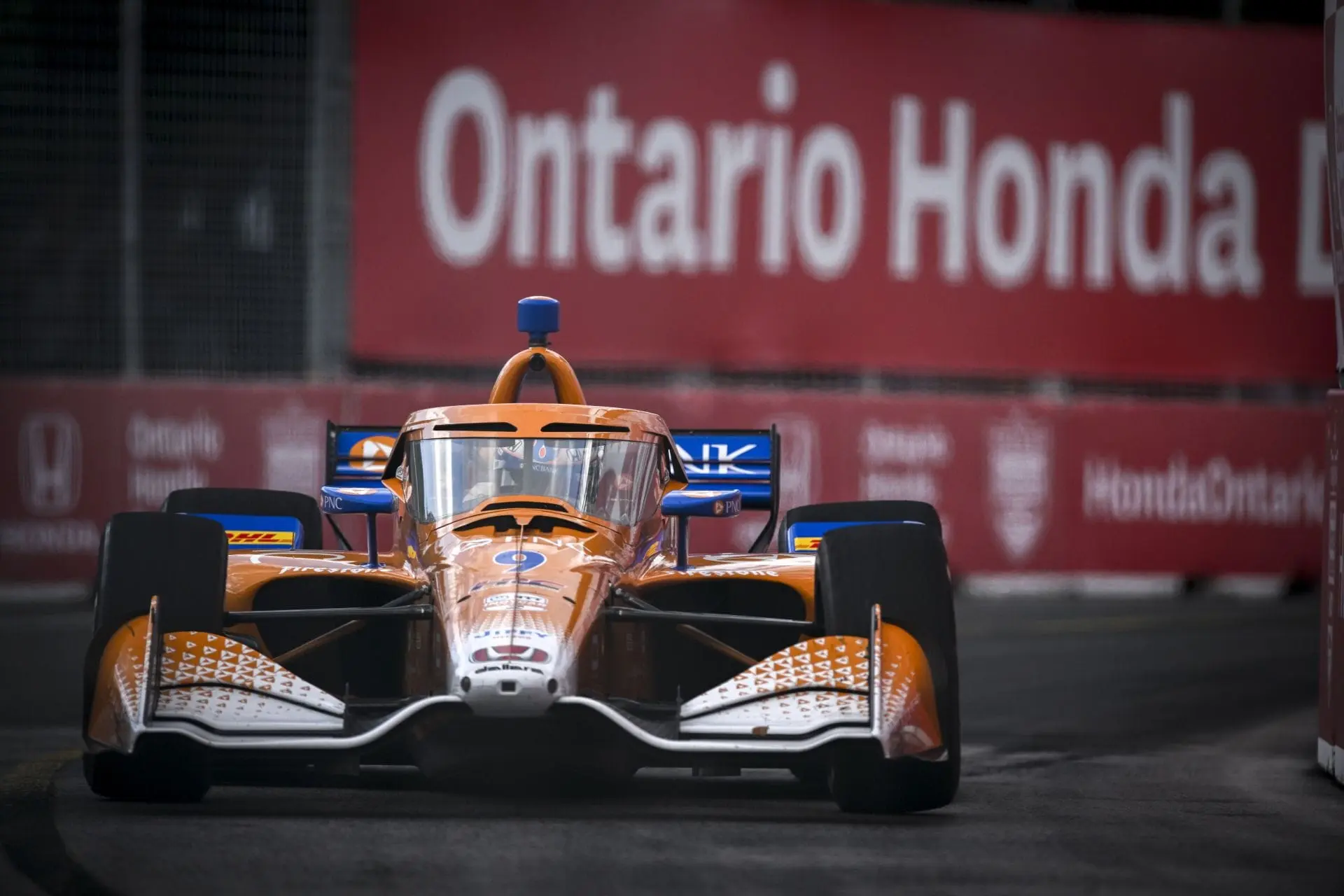
The most recent and prominent schedule change in IndyCar for 2026 that has drawn disappointment from Scott Dixon is the replacement of the long-standing Indy Toronto street race with a new event in Markham, Ontario. Dixon, the six-time series champion and Chip Ganassi Racing veteran, expressed clear frustration over this shift during a pre-season media session, calling it “a shame” and highlighting his attachment to the original Toronto layout near the convention center.
This change, confirmed by Penske Entertainment, has removed a fan-favorite and historically significant stop from the calendar, prompting Dixon to voice concerns about the direction of the series.

In comments widely reported ahead of the 2026 season opener, Dixon elaborated on his sentiments regarding the loss of the Toronto race. He noted uncertainty about whether the event could return in the future, underscoring how the venue had become a staple in the series’ rhythm. The move to Markham represents an attempt to refresh the Canadian presence on the schedule, but for Dixon, it disrupts a track he has raced successfully on multiple occasions, contributing to a sense of disconnection from the evolving landscape.
Adding to the context, the 2026 NTT IndyCar Series calendar initially featured 17 races when announced in late 2025, with a balanced mix of ovals, road courses, and street circuits. Key highlights included the return of Phoenix Raceway, night races, and established events like St. Petersburg, Long Beach, and the Indianapolis 500. However, in a late-breaking development in early 2026, an 18th race was added: the Freedom 250 Grand Prix of Washington, D.C.
This inaugural street race, set for August around the National Mall and iconic monuments, aligns with the United States’ 250th anniversary celebrations and stems from an executive order emphasizing national pride in motorsports. While this addition has generated excitement for its historic significance and potential to draw new audiences, it arrives amid other adjustments that have not sat well with some veterans.
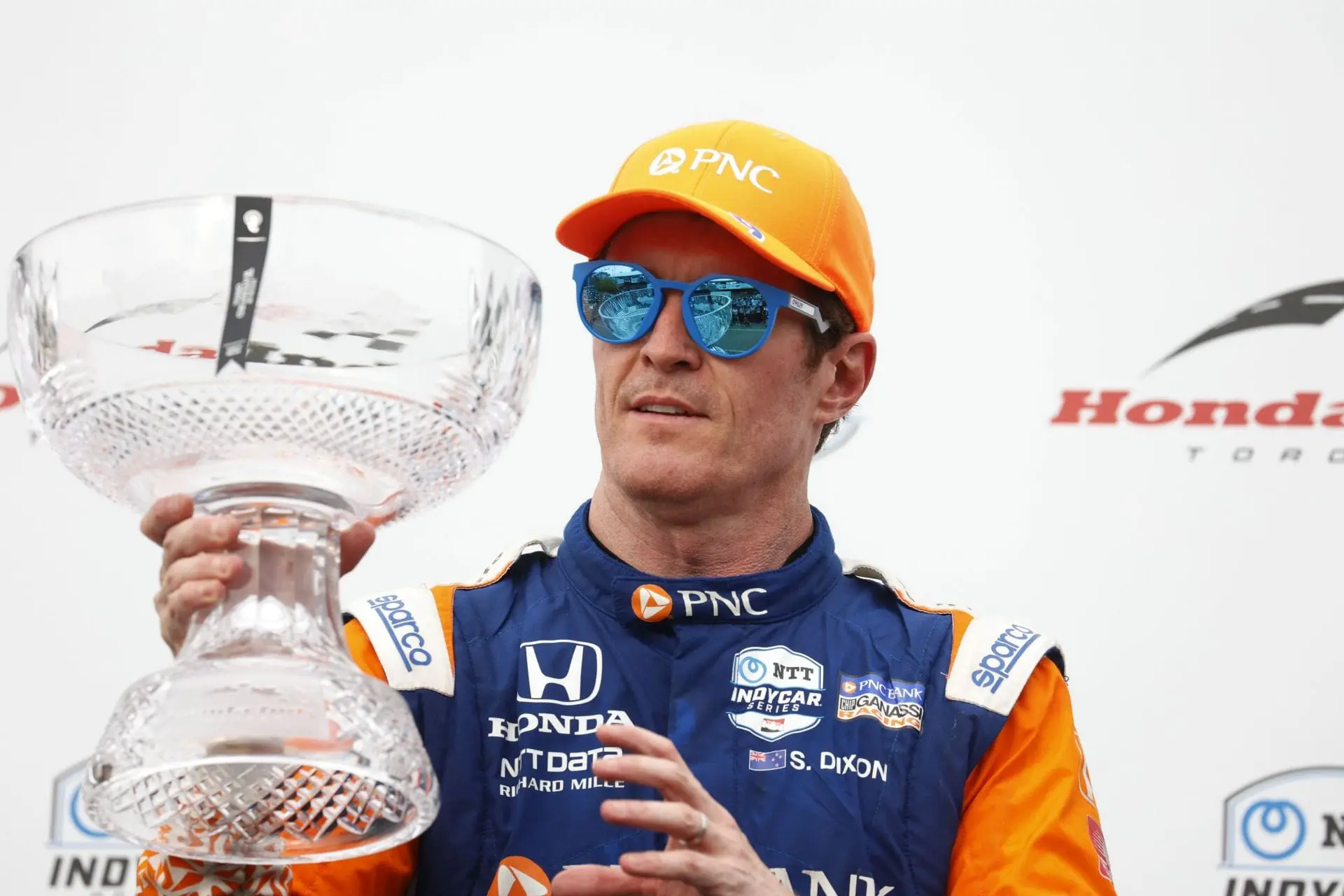
Dixon’s remarks have extended beyond mere track preference, touching on broader implications for his future in the sport. At 45 years old and entering his 24th full season in IndyCar (plus earlier Champ Car stints), the New Zealander has maintained an extraordinary level of performance, including a win in 2025 at Mid-Ohio that extended his streak of at least one victory per season to 21 years.
Despite finishing third in the 2025 standings behind dominant teammate Alex Palou and others, Dixon has spoken optimistically about improvements in execution, particularly qualifying, to challenge for a seventh title in 2026—a mark that would tie him with A.J. Foyt for the most in series history.
Yet, the Toronto replacement has reportedly contributed to a growing disillusionment. Sources close to the situation indicate that Dixon has confided in team members and media about feeling less invested in the series’ trajectory, with the cumulative effect of recent changes leading him to question his long-term commitment. This has fueled speculation about retirement, especially as he has previously stated that he would step away when racing no longer feels natural.
While Dixon has affirmed having “a couple good years” left and expressed excitement for aspects of 2026, the disappointment over the schedule shift has amplified rumors that this could be among his final campaigns if the series continues prioritizing new venues over beloved traditions.
The controversy has rippled through the IndyCar community, with fans divided on social media and forums. Supporters of Dixon argue that losing iconic races like Toronto erodes the sport’s heritage and alienates longtime competitors and audiences who value consistency. Toronto’s downtown layout, with its challenging turns and proximity to urban landmarks, offered a unique spectacle that many believe helped sustain fan engagement in Canada. Critics of the change point out that Markham, while still a street circuit in the Greater Toronto Area, lacks the same cachet and could face logistical hurdles in establishing itself.
On the other side, series officials and some observers defend the evolution as necessary for growth. Replacing Toronto with Markham aims to maintain a Canadian footprint while potentially improving promoter dynamics or venue agreements. The addition of Washington, D.C., meanwhile, positions IndyCar in a high-profile national stage, capitalizing on patriotic momentum and possibly attracting sponsorships tied to the semiquincentennial. Proponents argue that such bold moves are essential to compete with other racing series and expand the fanbase beyond traditional markets.
This tension highlights ongoing challenges in open-wheel racing: balancing innovation with preservation of what makes IndyCar special. Dixon, often called “The Iceman” for his calm demeanor and consistency, has rarely been one to stir controversy publicly, making his candid disappointment particularly noteworthy. His status as one of the most respected and accomplished drivers in the sport amplifies the impact—when a figure of his caliber signals waning interest due to schedule decisions, it prompts soul-searching among stakeholders.
As the 2026 season approaches, with the opener at St. Petersburg on March 1, all eyes will be on Dixon’s performance and any further comments. A strong start could reinvigorate his passion, but if the new elements fail to resonate, the retirement speculation may intensify. Fans, meanwhile, continue to debate whether these changes represent progress or a misstep that risks alienating the very legends who have built the series’ legacy.
For now, Dixon’s words serve as a poignant reminder that even in a sport defined by speed and adaptation, the emotional ties to certain races run deep. The “shame” he expressed is not just personal—it echoes concerns from a community wondering if the future will honor the past as much as it chases the new.