The world’s largest doping scandal ever uncovered in horse racing sent shockwaves through the sport in March 2020, when the FBI and federal prosecutors in the Southern District of New York unveiled a sprawling transnational conspiracy involving dozens of prominent trainers, veterinarians, and drug distributors. This operation, described by authorities as the most far-reaching prosecution of racehorse doping in the history of the Department of Justice, exposed systematic efforts to administer illegal performance-enhancing drugs (PEDs) to horses, undermining the integrity of competitions and endangering the animals involved.
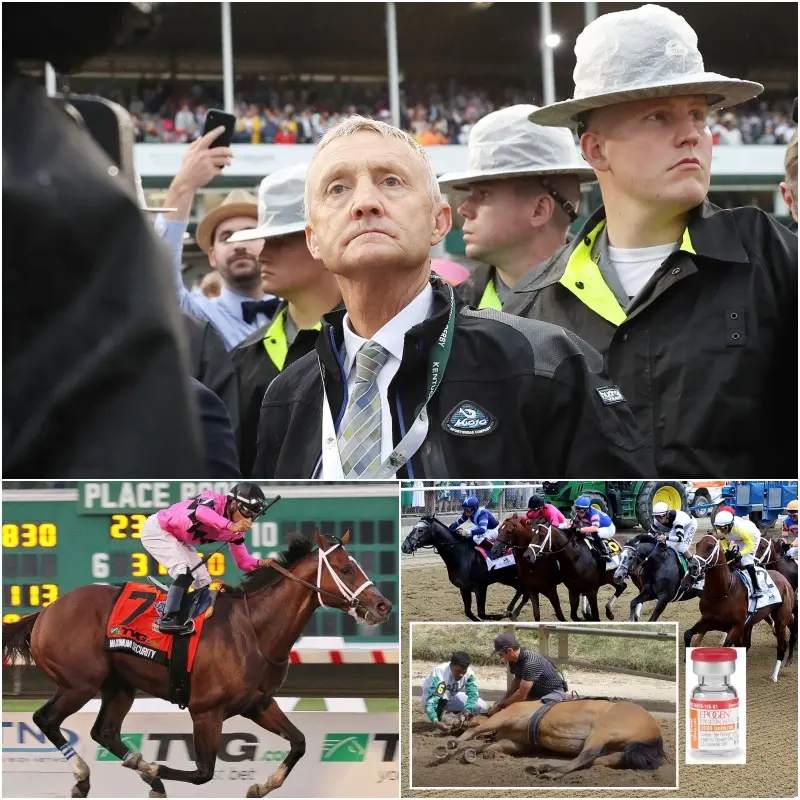
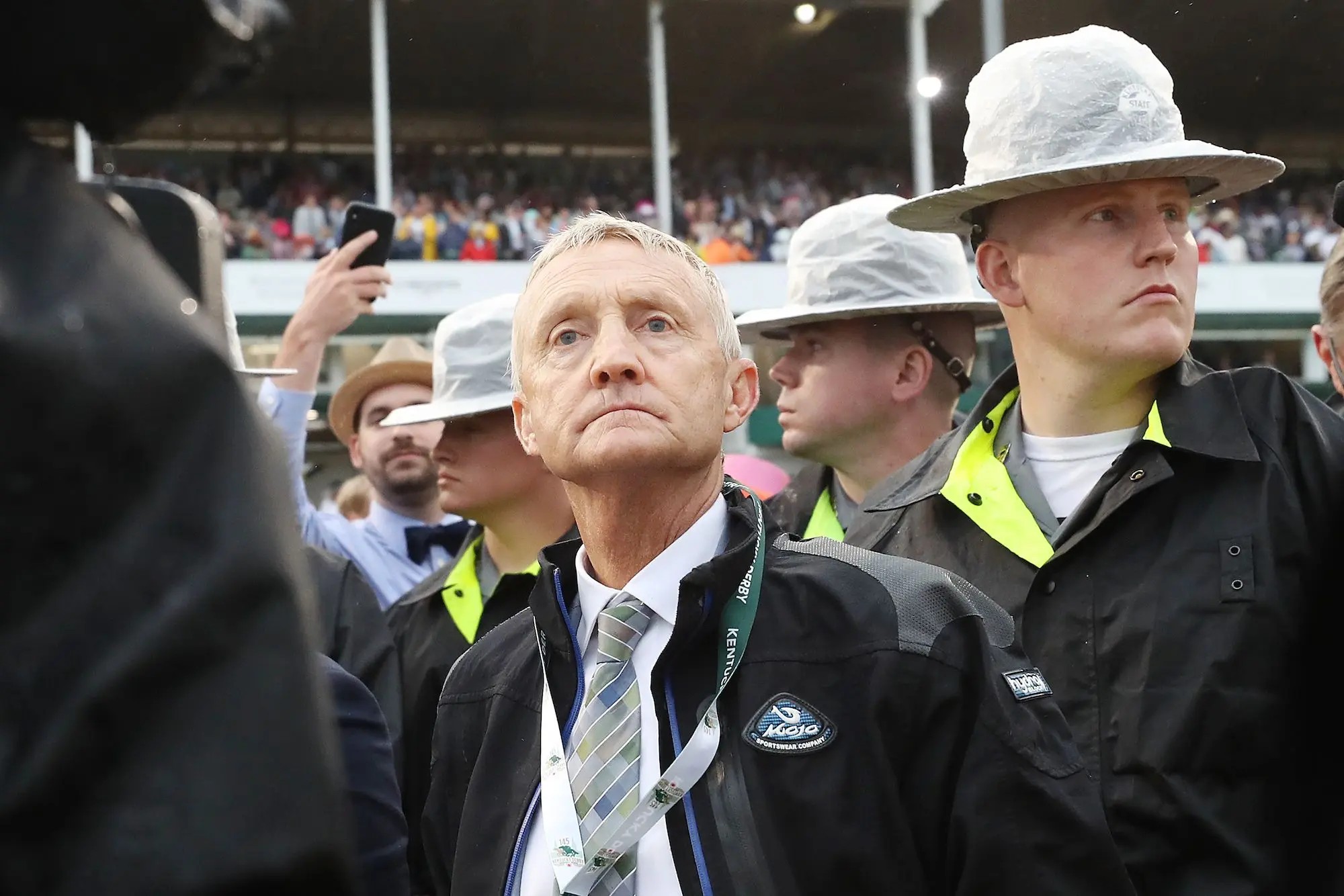
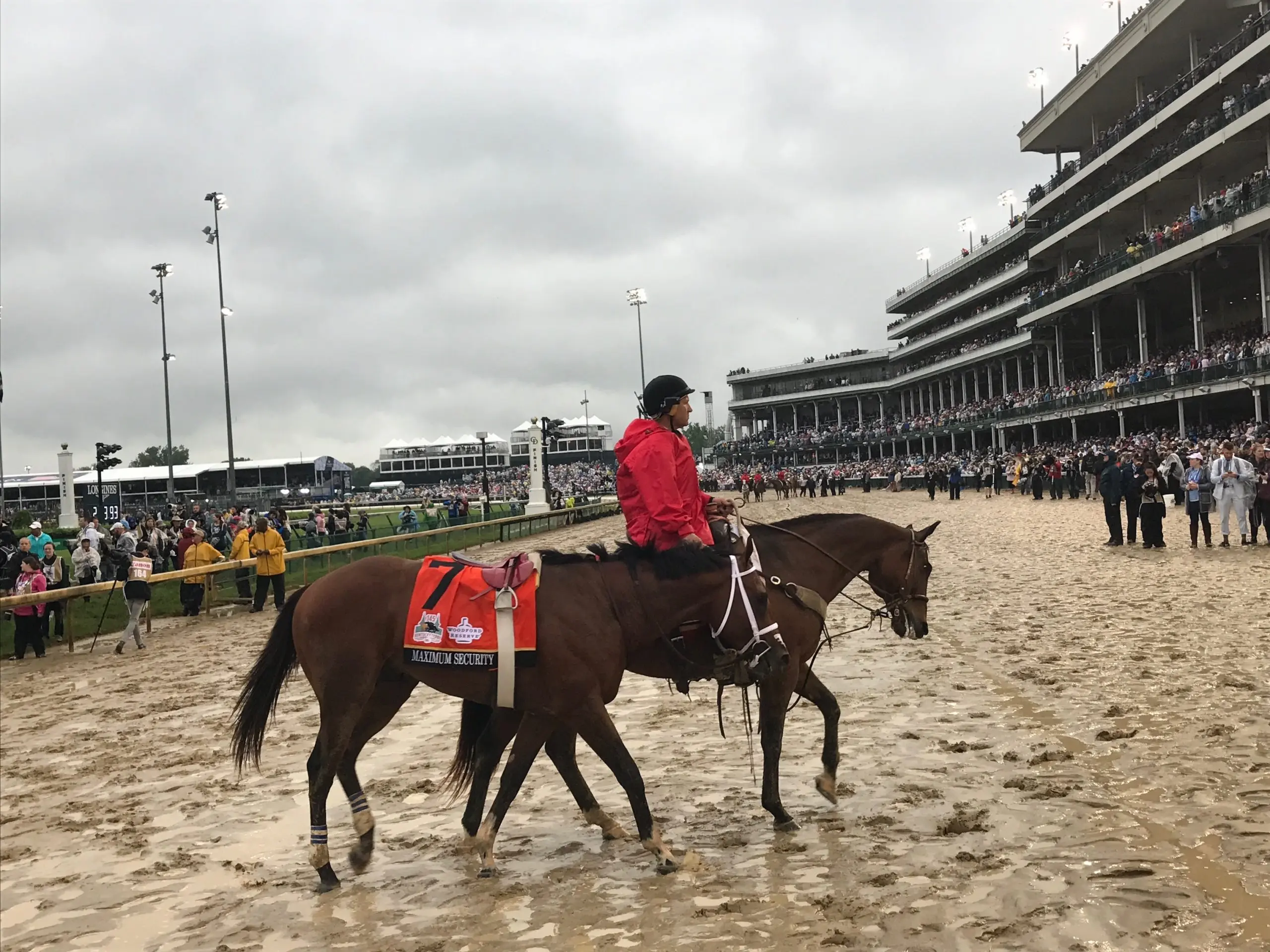
At the center of the storm was trainer Jason Servis, best known for conditioning Maximum Security, the colt that crossed the finish line first in the 2019 Kentucky Derby only to be disqualified due to interference. Prosecutors alleged that Servis secretly doped virtually all horses under his control with banned substances, including adulterated and misbranded drugs like compounded clenbuterol and SGF-1000, a purported growth factor. These drugs were intended to boost endurance, reduce inflammation, mask pain, or otherwise give horses an unfair edge in races.
Servis, who entered horses in over 1,000 races between 2018 and early 2020, was accused of conspiring with veterinarians and suppliers to evade detection by racing authorities.
The indictments, which initially targeted 27 individuals and later expanded, painted a picture of a sophisticated network operating across states like New York, New Jersey, Florida, Kentucky, and even internationally. Trainers such as Jorge Navarro—nicknamed the “Juice Man” for his aggressive use of PEDs—were charged alongside veterinarians who manufactured or distributed unapproved substances, some smuggled from abroad or produced in unregulated facilities. Drugs in question included “blood builders” to increase oxygen-carrying capacity, potent painkillers and nerve blocks to allow injured horses to compete, anti-inflammatory agents like “red acid,” and even substances like Viagra repurposed for equine use.
Prosecutors emphasized that the scheme prioritized profits over welfare, with some horses reportedly suffering severe health issues or dying as a result of the cocktails administered.
The revelations came after years of undercover work, wiretaps, and intercepted communications that exposed conversations about concealing drugs, falsifying records, and discussing the risks to the animals. One chilling aspect was the apparent indifference to equine health: federal authorities highlighted how greed drove participants to push horses beyond their limits, leading to breakdowns, cardiac problems, and fatalities in some stables. The scandal built on prior concerns in the industry, including a string of horse deaths at Santa Anita Park in 2018-2019 that had already drawn scrutiny to medication practices and track safety.
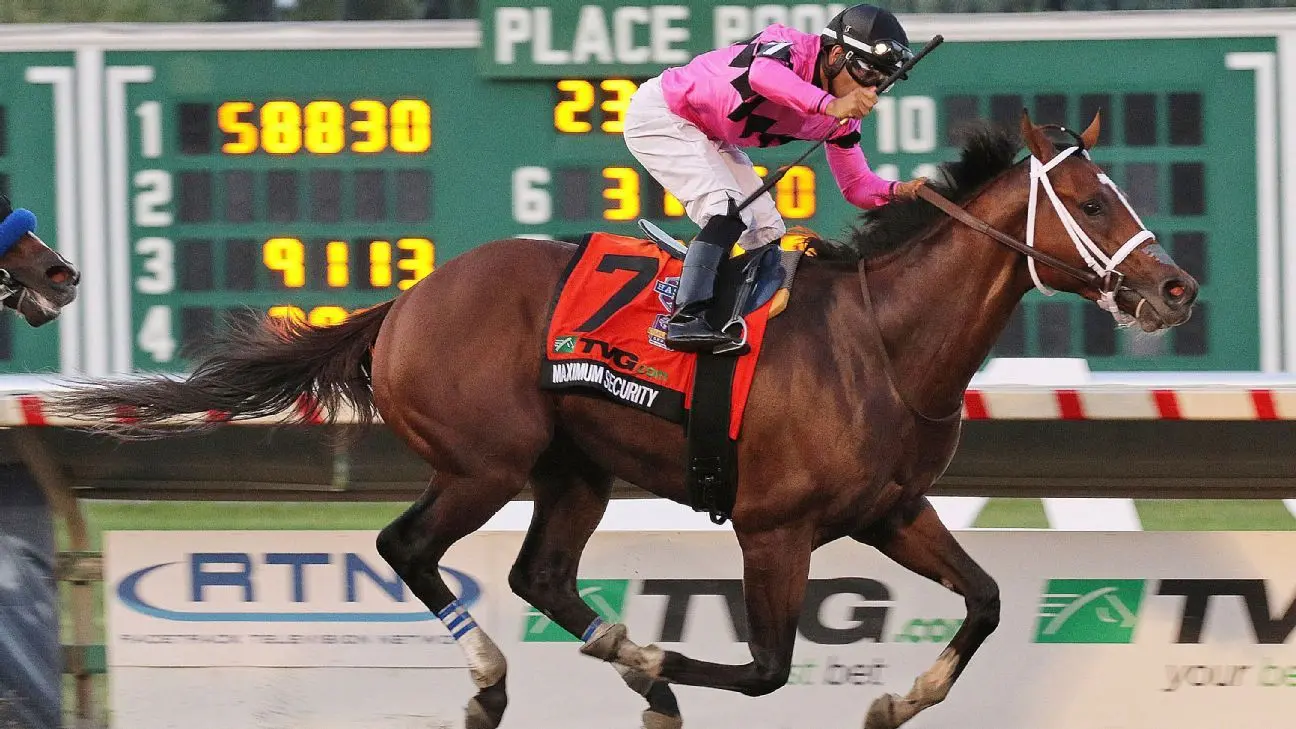
Servis, the highest-profile defendant, initially faced severe charges that could have carried up to 25 years in prison. In December 2022, he pleaded guilty to one felony count of conspiracy to misbrand and adulterate drugs and one misdemeanor count related to their use on racehorses. During his sentencing in July 2023, U.S. District Judge Mary Kay Vyskocil described his actions as deliberate and prolonged, stating that he had “cheated,” “lied,” and “broke the law” for years, eroding public trust in the sport. Servis received a four-year federal prison sentence, a $30,000 fine, forfeiture of over $300,000, and restitution payments.
He began serving his term in November 2023 at a federal prison camp in Pensacola, Florida, with a projected release in mid-2026. Other key figures, like Navarro, received five-year terms, while suppliers and accomplices faced varying sentences, some still incarcerated as of early 2026.
The fallout extended far beyond individual punishments. The scandal accelerated long-standing calls for reform in an industry long criticized for fragmented regulation across states. In the United States, it directly influenced the passage of the Horseracing Integrity and Safety Act (HISA) of 2020, signed into law as part of the Consolidated Appropriations Act in December 2020. HISA established the Horseracing Integrity and Safety Authority, an independent body tasked with developing and enforcing uniform national standards for racetrack safety and anti-doping. Its racetrack safety program launched in July 2022, followed by the anti-doping and medication control rules in May 2023.
These measures aimed to centralize oversight, previously handled unevenly by state commissions, and impose stricter testing, penalties, and welfare protocols.
Internationally, the British Horseracing Authority (BHA) responded by reviewing and tightening its own regulations on prohibited substances and veterinary practices, though the primary impetus remained U.S.-centric. The scandal prompted broader scrutiny of high-stakes international events, including retrospective actions like the Saudi Jockey Club’s 2024 investigation into Maximum Security’s 2020 Saudi Cup victory, resulting in recommendations to disqualify the horse and sanction Servis.
Economically, the repercussions were staggering. The horse racing industry, a multi-billion-dollar enterprise fueled by betting, breeding, and purses, faced eroded public confidence that translated into lost revenue. Estimates of damages varied, but industry observers pointed to declines in attendance, wagering handles, and sponsorships in the wake of the headlines. Prize money redistribution, legal fees, forfeited earnings, and reputational harm compounded losses that some analysts placed in the tens of billions over time when factoring in broader market impacts and regulatory compliance costs.
Bettors, long suspicious of inconsistencies in performance, questioned the fairness of results, while owners and breeders grappled with tainted bloodlines and diminished values.
Five years after the indictments, the scandal’s legacy persists. While many defendants have completed sentences or been released—Navarro walked free in June 2025—others remain imprisoned, and ongoing investigations into related networks continue. Recent reports from 2026 highlighted how New York regulators sat on FBI-provided evidence implicating hundreds more buyers of illegal drugs from a key supplier, allowing implicated parties to continue racing and winning millions in prizes. This has renewed debates about enforcement gaps and the need for even stronger federal oversight.
Ultimately, the 2020 doping ring exposed deep flaws in a sport often romanticized as the “Sport of Kings.” It forced a reckoning with the tension between competitive pressures, financial incentives, and animal welfare. As reforms under HISA take hold and sentences conclude, the industry must confront whether these changes restore faith or merely paper over systemic issues. For fans, bettors, and the horses themselves, the question of true fairness in horse racing remains as urgent as ever.