The dramatic showdown at the New Balance Indoor Grand Prix in Boston on January 24, 2026, captured the attention of the global track and field community when Jereem Richards narrowly defeated Noah Lyles in the men’s 300-meter race by a razor-thin margin of just 0.01 seconds. Richards clocked 32.14 seconds to edge out Lyles, who finished in 32.15 seconds, marking one of the closest finishes in recent indoor sprint history. This result stunned many fans who expected the Olympic 100m champion Lyles to dominate the event, especially given his explosive speed in shorter distances.
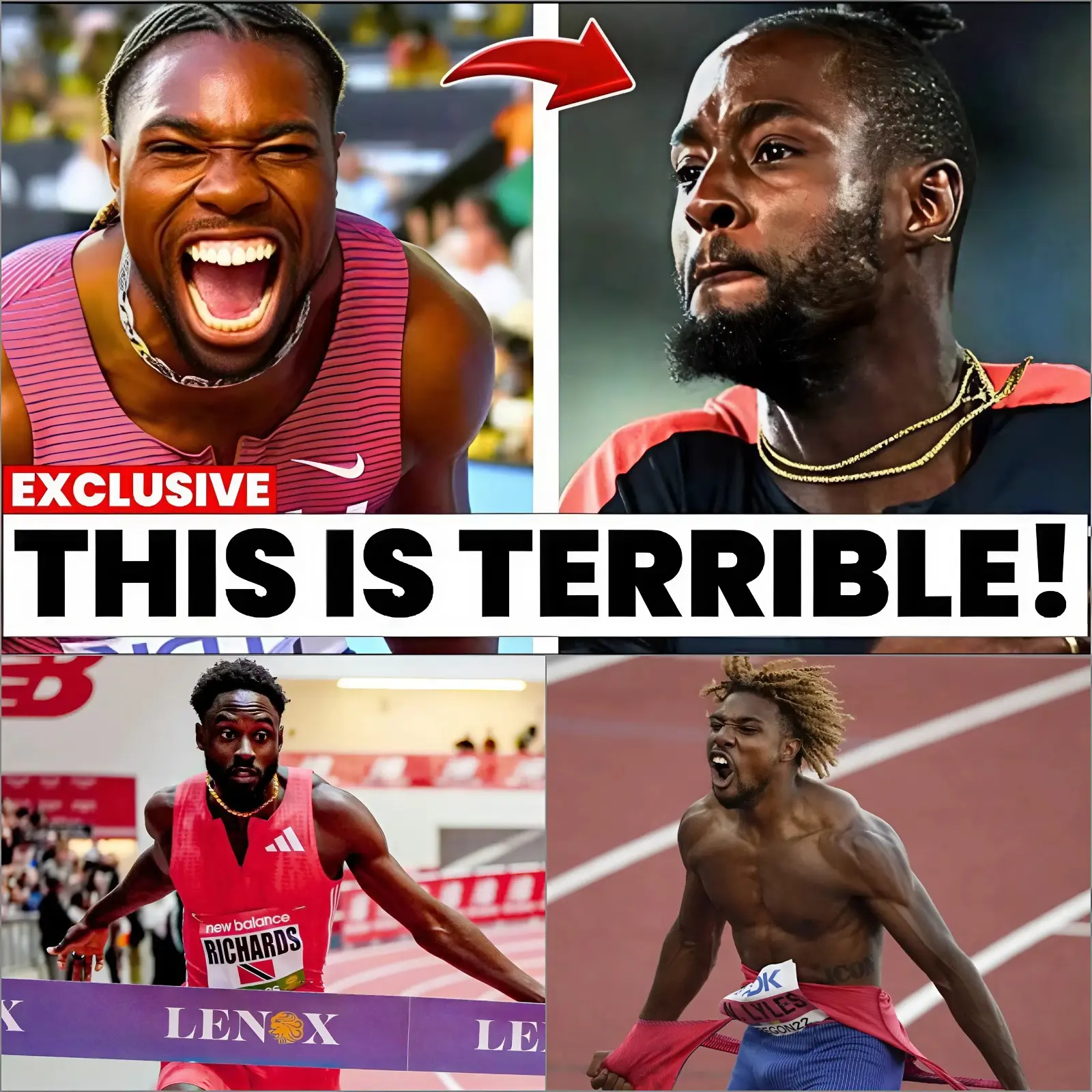
Noah Lyles, the reigning Olympic gold medalist in the 100 meters and a multiple-time world champion, entered the race with high expectations after recently returning to the 300m distance following a nine-year hiatus. His previous personal best in the event stood at 31.87 seconds from his U20 days, showcasing his potential even in non-Olympic distances. However, the indoor track’s tight turns and the demands of sustaining speed over 300 meters tested his endurance against specialists like Richards, a seasoned 400m runner known for his closing power.
Jereem Richards, representing Trinidad and Tobago, brought a wealth of experience to the starting line as a former world indoor 400m champion and a silver medalist in the 400m at the 2025 World Championships. At 32 years old, Richards demonstrated remarkable composure and tactical intelligence throughout the race. He focused on navigating the first turn without feeling immediate pressure from Lyles, a strategy he later revealed stemmed from weeks of mental visualization and preparation.
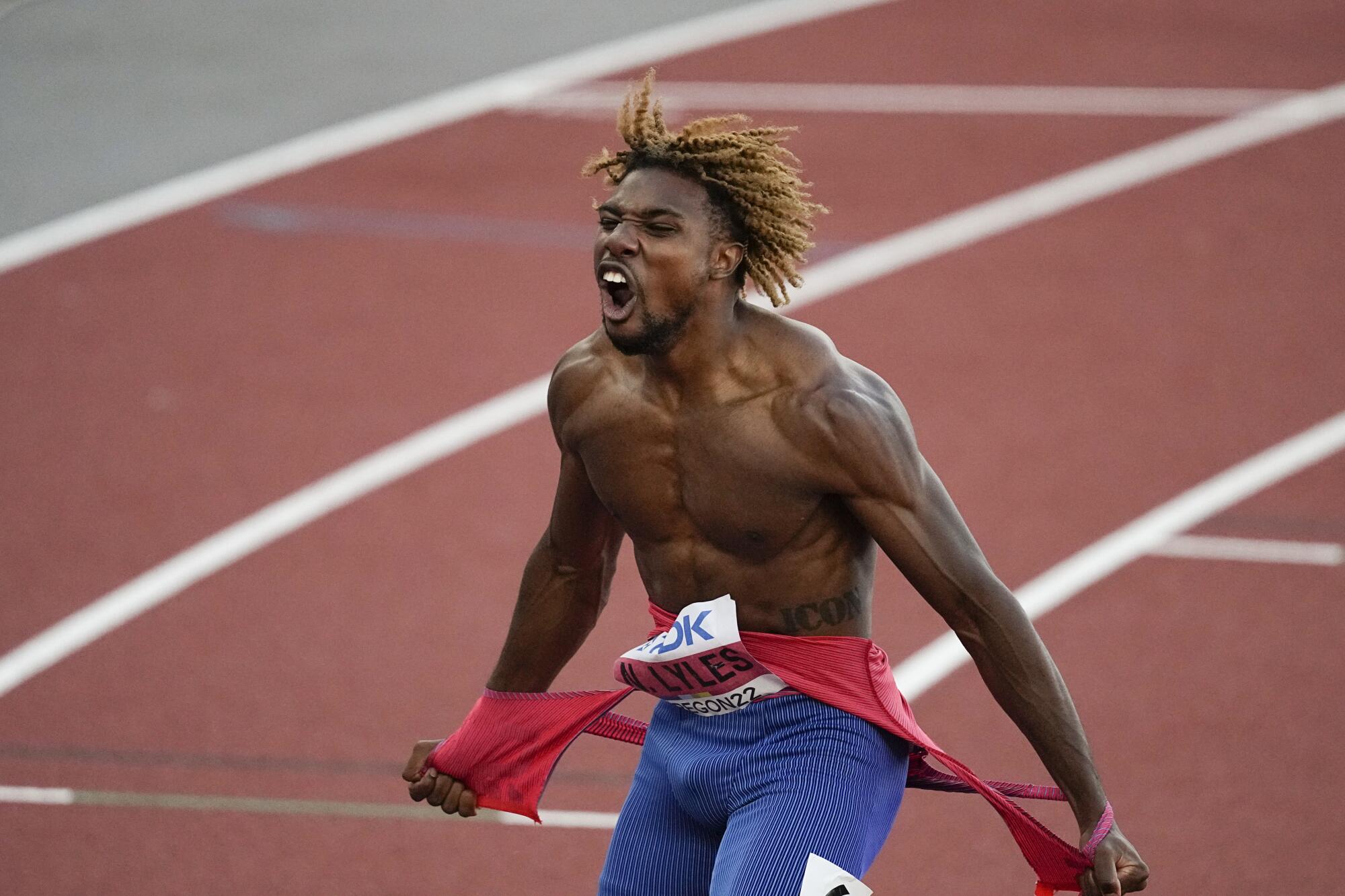
The race unfolded with intense competition from the gun, featuring a stacked field that included Vernon Norwood and Trayvon Bromell, both accomplished American sprinters with global medals to their names. Norwood finished third in 32.38 seconds, while Bromell placed fourth. The event served as the finale of the meet, building anticipation among spectators and viewers watching live on platforms like NBC and Peacock.
Reports and social media buzz following the race highlighted the photo-finish decision, where Richards leaned at the line to secure the victory. Lyles, known for his charismatic personality and bold pre-race statements, appeared gracious in defeat during post-race interviews, expressing respect for Richards and even hinting at future rematches. Both athletes train under the same coach in Florida, adding an intriguing layer to their rivalry as training partners turned competitors.

Some online discussions and sensational posts suggested controversy, including unverified claims of a false start or unfair advantage by Richards. However, official results from World Athletics and meet organizers showed no disqualification or investigation into a false start, with the race deemed clean and the timing accurate via electronic systems. No credible sources reported Lyles formally accusing Richards of cheating or demanding a re-investigation of the start.
Instead, the narrative around the event focused on Richards’ impressive performance and Lyles’ competitive spirit. Richards credited his faith and training alongside Lyles as key motivators, stating that seeing Lyles’ preparation pushed him to elevate his own game. This mutual respect underscored the positive aspects of elite athletics, where high-level competition drives improvement for all involved.
The New Balance Indoor Grand Prix, a prominent stop on the World Athletics Indoor Tour Gold circuit, consistently attracts top talent and delivers thrilling moments. In 2026, the meet also featured other standout performances, but the men’s 300m stole the spotlight due to the star power and dramatic finish. Fans worldwide tuned in to witness whether Lyles could translate his outdoor sprint prowess to the indoor oval.
Lyles has long been a vocal advocate for greater visibility and compensation in track and field, often using his platform to highlight issues within the sport. After this race, he reiterated those views, emphasizing the need for better support for athletes beyond major championships. His comments added depth to the post-race conversation, shifting focus from the result itself to broader industry challenges.
Richards’ win represented a significant milestone for Trinidad and Tobago athletics, reinforcing the country’s reputation for producing world-class sprinters. His ability to out-lean Lyles in such a tight contest highlighted the importance of experience and mental fortitude in sprint events, particularly on indoor tracks where fractions of a second decide outcomes.
The 0.01-second margin sparked widespread debate among fans on platforms like Reddit and social media, with many praising the depth of the field and the unpredictability of indoor racing. Some had predicted Lyles would win comfortably, given his favoritism in pre-race polls, while others recognized Richards’ strength as a 400m specialist who could maintain form over the longer distance.
Looking ahead, both athletes expressed interest in future head-to-head battles, potentially at other indoor meets or leading into major championships. Lyles has outlined plans for a selective indoor campaign in 2026, balancing competition with personal milestones like his upcoming wedding, which influenced his schedule decisions.
This encounter between Lyles and Richards exemplifies the evolving nature of sprinting, where athletes increasingly experiment with non-traditional distances to build versatility and excitement. The 300m, though not an Olympic event, offers a unique test of speed and stamina, bridging the gap between pure sprints and middle-distance running.
Track and field enthusiasts continue to celebrate moments like this, where elite performers push boundaries and deliver edge-of-the-seat drama. The Boston meet’s atmosphere, combined with the athletes’ personalities, ensured the event resonated far beyond the track itself.

In the aftermath, discussions turned to potential rematches and how such close contests elevate the sport’s appeal to new audiences. Richards’ victory served as inspiration for emerging athletes, proving that dedication and strategy can overcome perceived favorites.
The absence of any official controversy or apology demands from Lyles aligns with the reported post-race camaraderie, where both men acknowledged each other’s strengths. This outcome reinforces the integrity of modern athletics timing and officiating, relying on advanced technology to ensure fair play.
As the indoor season progresses toward events like the World Indoor Championships, performances like this set the tone for what promises to be a competitive year. Fans eagerly await further developments in the careers of these two remarkable sprinters.
The New Balance Indoor Grand Prix continues to solidify its status as a premier venue for early-season clashes among global stars. Its role in showcasing talent and fostering rivalries remains invaluable to the sport’s growth and entertainment value.

Ultimately, the race between Noah Lyles and Jereem Richards will be remembered not for fabricated drama, but for genuine athletic excellence displayed under pressure. It highlights why track and field captivates millions, blending raw talent, strategy, and the thrill of competition in every stride.