In a surprising display of candor and appreciation within the high-stakes world of motorsports, McLaren Racing CEO Zak Brown has publicly extended a heartfelt thank you to FOX Sports for its exceptional contributions to the NTT IndyCar Series. Brown’s message highlights the network’s dedicated efforts under the leadership of CEO Eric Shanks, whose vision has injected fresh momentum into the series—particularly as billionaire owner Roger Penske has encountered challenges in rapidly expanding the racing calendar with new venues.
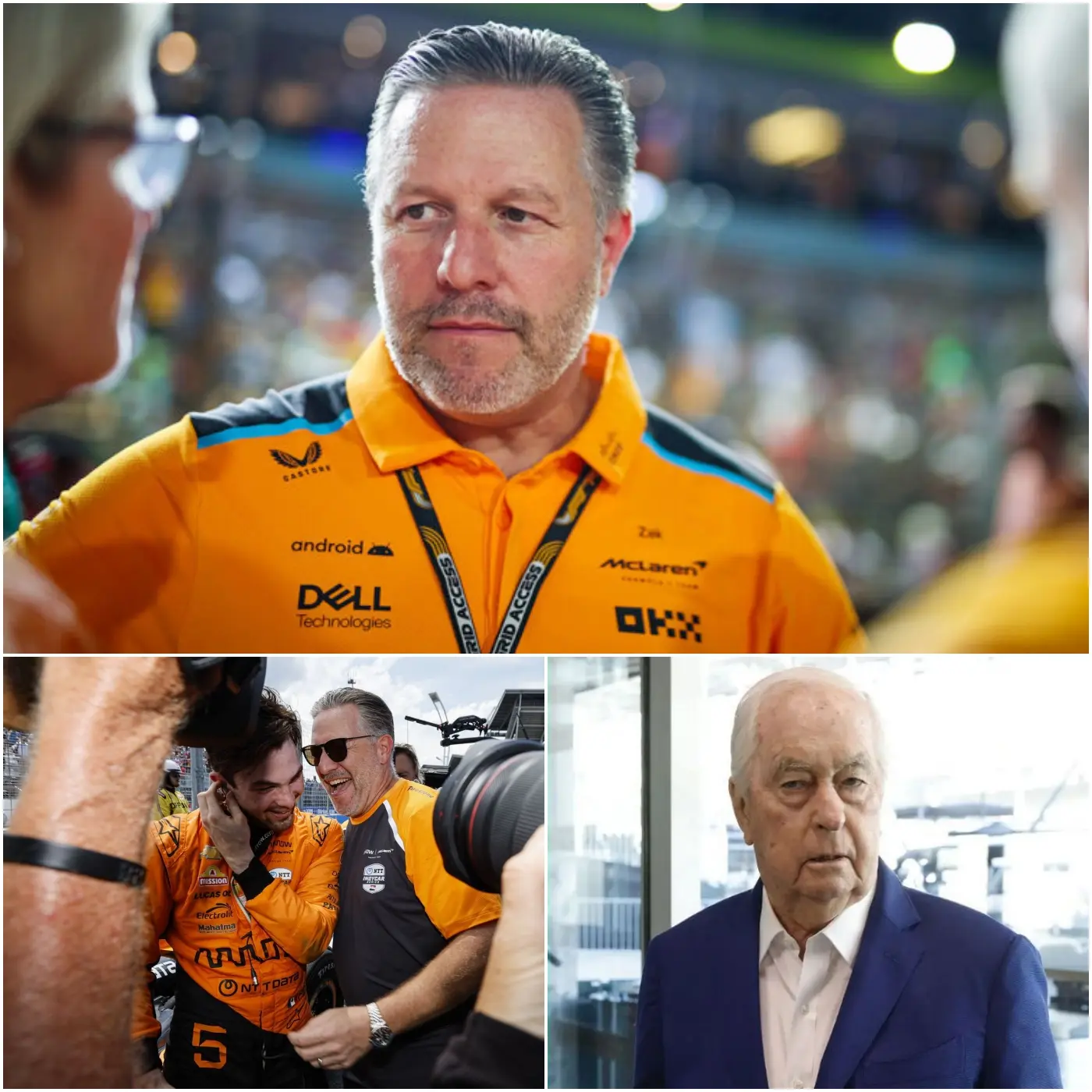
The commendation comes at a pivotal moment for IndyCar. Since Penske acquired the series and the Indianapolis Motor Speedway in 2019, the organization has prioritized stability and growth. However, adding fresh race locations to invigorate the schedule has proven more difficult than anticipated. Penske’s team has worked diligently to secure high-profile additions, but progress has been gradual amid logistical, financial, and promotional hurdles. This context makes Brown’s praise for FOX all the more noteworthy, as it underscores an external partner stepping up where internal expansion efforts have lagged.
Brown’s statement emerged following a strong first full season of FOX’s broadcast partnership with IndyCar, which began in 2025. The network delivered impressive results, including a 27% increase in viewership compared to the previous NBC era. Races averaged nearly 1.4 million viewers, with notable gains among younger demographics and female audiences—key indicators of the series’ potential to expand beyond its traditional base. Brown specifically credited FOX’s marketing prowess and promotional campaigns for attracting new fans and elevating the sport’s visibility.
“FOX delivered a tremendous season,” Brown remarked in his message, emphasizing the network’s role in making IndyCar the fastest-growing motorsport in key metrics. He singled out Eric Shanks for his forward-thinking approach and personal enthusiasm. Shanks, a longtime Indy 500 admirer with deep roots in Indiana, has championed the series as embodying the best of live sports: passionate fans, iconic venues like the Brickyard, elite competition, and opportunities for year-round storytelling. Under his guidance, FOX has treated IndyCar races not just as broadcasts but as major events deserving of heavy promotion across its platforms.
The partnership deepened significantly in mid-2025 when FOX acquired a one-third stake in Penske Entertainment, the parent company overseeing IndyCar, the Indianapolis Motor Speedway, and related assets. Valued between $125 million and $135 million, the investment signaled strong confidence in the series’ future. It also extended the media rights agreement, ensuring FOX’s commitment through additional seasons. Brown described the move as “very positive for everyone involved,” noting that FOX’s belief in IndyCar’s potential—coupled with its proven marketing muscle—positions the sport for sustained growth into 2026 and beyond.
Brown and Shanks have engaged in extensive discussions about innovative ways to broadcast and promote the series. These conversations have already yielded exciting prospects, from enhanced driver storytelling to broader exposure that could draw in casual sports fans. Brown’s unexpected gratitude reflects a broader sentiment among team owners and stakeholders who view FOX’s involvement as a game-changer. While Penske has masterfully stabilized the series post its acquisition, the pace of calendar expansion has drawn scrutiny. Fans and insiders alike have called for bolder additions to maintain excitement throughout the season, beyond the perennial highlight of the Indianapolis 500.
The 2026 NTT IndyCar Series schedule illustrates both progress and the ongoing challenge. It features 17 races, blending returning favorites with fresh elements. Highlights include a return to Phoenix Raceway after an eight-year hiatus, a new street circuit in Arlington, Texas, and prime-time night races at venues like World Wide Technology Raceway and Nashville Superspeedway. These additions aim to inject “blockbuster energy” into more events, echoing Brown’s earlier pleas for a calendar shake-up to distribute the spectacle more evenly.
Despite these steps, some traditional ovals have faced uncertainty, and not all proposed expansions—such as potential international outings—materialized immediately. Penske’s deliberate approach prioritizes sustainable, high-impact venues over rushed changes, but it has left room for partners like FOX to fill promotional gaps. Brown’s thank you subtly acknowledges this dynamic: while Penske navigates the complexities of venue deals, FOX under Shanks has accelerated visibility and audience engagement.
This collaboration represents a model for modern motorsports evolution. Media companies increasingly take equity stakes in leagues to align incentives for mutual success. FOX’s investment provides resources for marketing, production upgrades, and potentially new event facilitation. For IndyCar, it means amplified reach on a major network, more creative content, and a partner motivated to maximize the series’ appeal.
Brown’s message carries weight given his dual perspective as a team owner in IndyCar and a prominent figure in Formula 1 through McLaren. His outspoken nature has occasionally pushed for changes within IndyCar, from cost management to commercial strategies. Yet here, his tone is one of genuine appreciation rather than critique. By highlighting FOX’s contributions amid Penske’s venue challenges, Brown spotlights how external innovation can complement internal leadership.
As the 2026 season approaches, the series enters with optimism. Viewership trends point upward, driver talent remains world-class, and the partnership with FOX promises continued momentum. Brown’s heartfelt thank you serves as a reminder that growth often comes from collaboration. While Roger Penske builds the foundation brick by brick, Eric Shanks and FOX are helping light the path forward—ensuring IndyCar’s roar reaches new ears and hearts across the nation.