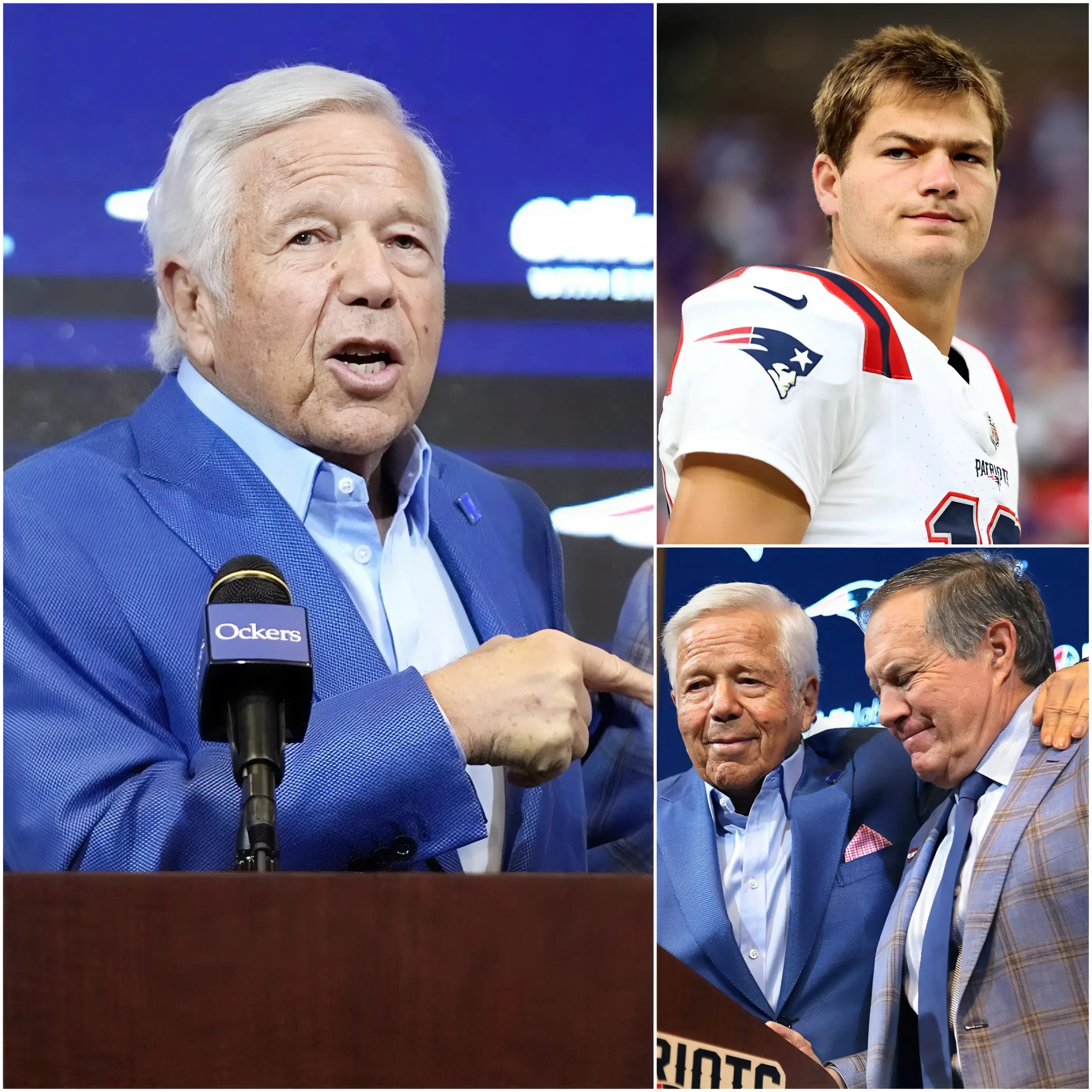
Robert Kraft, the longtime owner of the New England Patriots, has publicly urged the NFL and the Pro Football Hall of Fame to reconsider the recent decision that denied Bill Belichick first-ballot induction into Canton, sparking widespread outrage among Patriots fans and the broader football community. The snub, revealed in late January 2026, has ignited intense debate about legacy, fairness, and the voting process for one of the most decorated coaches in NFL history.
On January 28, 2026, reports confirmed that Belichick fell short of the required 40 votes out of 50 from the Hall of Fame selection committee in his first year of eligibility. Despite his unparalleled résumé—including six Super Bowl titles as head coach of the Patriots, two more as an assistant, a record for sustained success in the salary-cap era, and his role as the architect of the greatest dynasty in modern NFL history—the legendary coach was not among the Class of 2026 inductees. The decision stunned many, given Belichick’s influence on generations of players, coaches, and front offices.
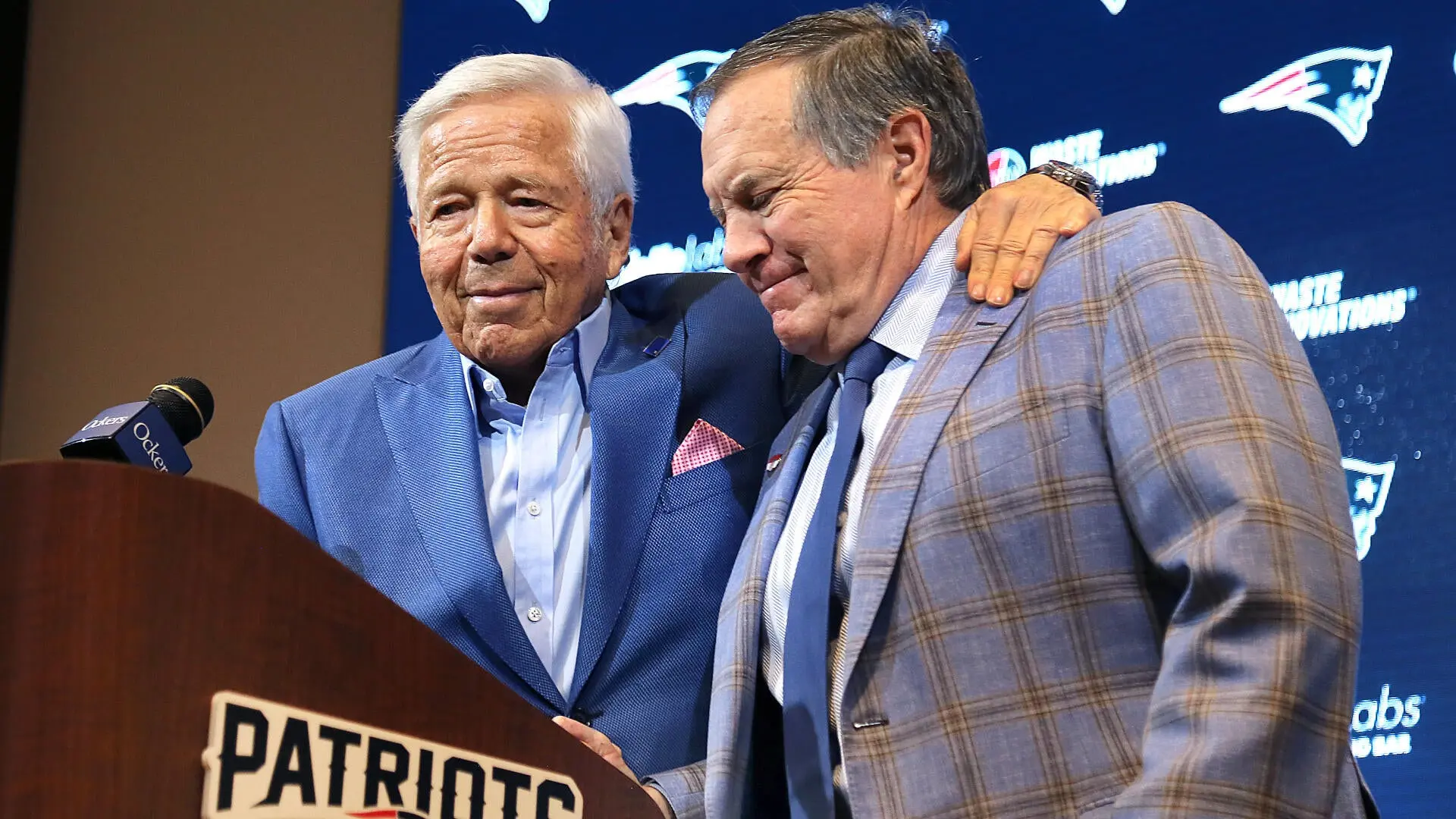
Kraft, who has had a complex relationship with Belichick in recent years following the coach’s departure from the Patriots, issued a strongly worded statement to the Associated Press. “Whatever perceptions may exist about any personal differences between Bill and me, I strongly believe Bill Belichick’s record and body of work speak for themselves,” Kraft said.
“As head coach of the New England Patriots for more than two decades, he set the standard for on-field excellence, preparation, and sustained success in the free agency and salary cap era of the National Football League.He is the greatest coach of all time and he unequivocally deserves to be a unanimous first-ballot Pro Football Hall of Famer.”
Kraft’s call for reconsideration went further in some reports, emphasizing that Belichick’s legacy “cannot be decided by a single vote.” He argued that if the architect of the Tom Brady era and the defining force behind two decades of dominance is not deemed worthy of immediate induction, then the standards for the Hall of Fame may need reevaluation.
“If Belichick himself is not inducted into the Hall of Fame on the first ballot, then no one else—including Brady—can ever be considered automatically deserving,” Kraft reportedly stated in outlets covering the controversy.
The reaction from Patriots Nation was swift and unified. Social media platforms exploded with disbelief, anger, and calls for accountability. Fans pointed to Belichick’s eight total Super Bowl rings (six as head coach), his innovative defensive schemes, and his ability to rebuild and win consistently as irrefutable evidence of his greatness.
Many viewed the snub not as a reflection of merit but as lingering skepticism toward the Patriots’ era of success, possibly influenced by past controversies like Spygate or Deflategate that some believe have unfairly tainted perceptions.
Former Patriots players amplified the outrage. Rodney Harrison, Vince Wilfork, and Wes Welker publicly announced they would reject future Hall of Fame nominations in protest, stating that Belichick’s exclusion undermines the credibility of the process. Their solidarity underscored a broader sentiment: the Hall should honor those who transformed the game, and Belichick’s exclusion felt like a rejection of an entire era of excellence.
Tom Brady, who won six rings with Belichick and has maintained a close bond despite their professional split, also weighed in. “If he’s not a first-ballot Hall of Famer, there’s really no coach that should ever be,” Brady said, echoing Kraft’s sentiment and highlighting the absurdity many felt. The quarterback’s comments added weight to the narrative that Belichick’s contributions—both tactical and cultural—were unmatched.
The Hall of Fame responded to the backlash with a statement addressing media reports but not naming Belichick directly. It emphasized the integrity of the voting process while warning of potential actions if bylaws were violated, such as sharing deliberations. Critics, however, argued that the committee’s rigid standards prioritize narratives of controversy over objective achievements, raising questions about bias against dynasties like the Patriots’.
Belichick’s career speaks volumes: nearly 50 years in the NFL, transformative impact as defensive coordinator and head coach, and a coaching tree that spans the league. His tenure in New England turned a struggling franchise into a perennial powerhouse, setting benchmarks for preparation, adaptability, and winning in the modern game.
Kraft’s intervention is rare for the typically reserved owner, especially given past tensions after Belichick’s exit. Yet it reflects deep respect for Belichick’s body of work and frustration with what many see as an injustice. By publicly challenging the decision, Kraft has galvanized Patriots Nation, turning the snub into a rallying point for fairness in recognizing NFL history.
The controversy transcends one vote; it questions how the Hall represents the sport’s most influential figures. As the debate continues, Belichick remains eligible in future years, but the first-ballot omission has left a mark. For fans who watched the Patriots dominate for two decades, the fight for recognition feels personal. Kraft’s stand ensures the conversation won’t fade quietly, pushing for a reevaluation that honors the coach many believe defined an era.