A Moment No One Could Believe
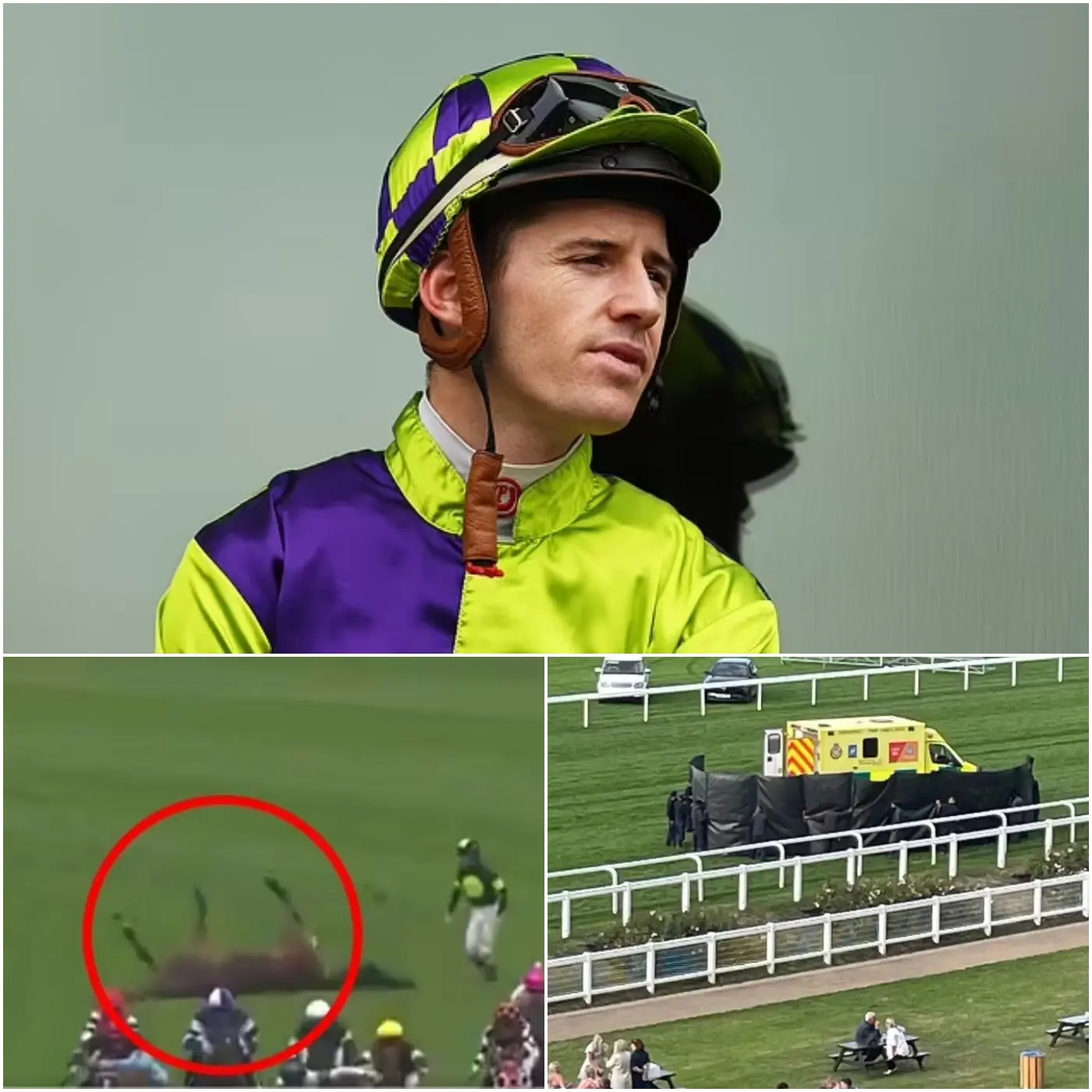
In the electrifying atmosphere of Royal Randwick Racecourse during Sydney’s premier racing carnival, a single horrifying instant transformed a high-stakes Group 3 contest into one of the most unforgettable and debated moments in recent Australian horse racing history. On that fateful Saturday in October 2024, as the field thundered around the home turn in the $2 million Sydney Stakes, champion gelding Think About It suddenly faltered. The six-year-old, a multiple Group 1 winner and the previous year’s hero of The Everest, collapsed dramatically to the turf in a scene that left spectators stunned and fearing the worst.
Jockey Jason Collett, a seasoned rider with years of experience navigating the demands of elite racing, was unseated in the mishap. Yet what followed was nothing short of extraordinary. Instead of prioritizing his own safety or retreating to the sidelines as protocol might dictate, Collett sprang to his feet and rushed straight back to his stricken mount. With the horse lying prostrate and in visible distress—legs flailing momentarily before going still—the 33-year-old instinctively positioned himself to comfort the animal.
He held Think About It’s head steady, preventing the gelding from attempting to rise too quickly, an action that could have led to catastrophic injury such as a broken leg in the panic of recovery.
The image of Collett, shoulder injured from the fall yet wholly focused on the welfare of the horse he had partnered with through countless triumphs, captured hearts worldwide. Footage of the incident spread rapidly across social media and news outlets, earning the jockey widespread praise for his bravery and compassion. Many described it as a “miraculous” display of horsemanship, highlighting how Collett’s first instinct was not self-preservation but the immediate well-being of the animal that had carried him to victory on so many occasions.
Think About It, trained by Joseph Pride and owned by Proven Thoroughbreds, had been a dominant force in sprinting ranks, amassing prize money in the millions and earning a reputation as one of Australia’s toughest competitors. But this collapse stemmed from a significant pulmonary haemorrhage—a bleeding attack that caused the horse to stagger and fall as the field surged toward the finish line. Initial reactions from the crowd and connections were gut-wrenching; screens were erected around the fallen pair, a grim signal in racing that often precedes the worst outcome.
Spectators held their breath, many believing the beloved champion’s racing career—and perhaps his life—had ended in that chaotic moment.
Remarkably, Think About It defied those fears. Under veterinary care on track and with Collett’s calming presence, the gelding regained his composure enough to stand and walk off the course to the stables. Officials from Racing New South Wales quickly confirmed the horse had recovered sufficiently to be monitored closely, describing the incident as a “bleeding attack” from which he had pulled through. Collett himself, cleared of serious injury despite the shoulder issue, expressed astonishment post-race. “I’m fine and surprisingly the horse is back in the stables,” he said. “They do that…
I thought he collapsed, but he bled out.” His words underscored the unpredictability of such events and the relief that followed.
Yet amid the relief and admiration for Collett’s actions, a darker undercurrent emerged on the day. As the drama unfolded with Think About It down on the track and the jockey desperately attending to him, the remaining field continued racing unabated toward the winning post. Horses galloped past the stricken pair, stewards allowing the contest to proceed without interruption. The decision ignited immediate and vocal condemnation from onlookers at Randwick and viewers tuning in from afar.
Social media erupted with criticism, with fans and animal welfare advocates questioning why the race was not halted or red-flagged in light of the obvious danger and distress. “How can they just keep going as if nothing happened?” one spectator posted, echoing a sentiment shared widely. Others pointed to the risks posed to both horse and rider—loose animals on the course, potential interference, or further injury in the melee. The optics were damning: a champion horse in peril, a jockey risking his life to help, and the sport seemingly prioritizing the outcome of the event over immediate humanitarian concerns.
Defenders of the decision argued that stopping a race mid-field is rare and logistically complex in thoroughbred racing, where momentum and safety protocols are tightly managed. Stewards typically only intervene for major incidents affecting multiple runners or clear hazards. In this case, the fall occurred near the turn, and the horse was not loose in a way that directly impeded others. Still, the backlash highlighted ongoing debates within the industry about animal welfare, race management, and public perception. Calls grew for reviews of protocols in high-profile events, especially when a horse’s life appears at stake.
In the aftermath, Think About It made a strong initial recovery but was later retired from racing to safeguard his long-term health following the severity of the incident. The gelding’s connections expressed profound gratitude for the care he received and for Collett’s selfless intervention. “Watching Think About It staggering to a collapse during the running of the Sydney Stakes was gut-wrenching,” owners Proven Thoroughbreds shared. Yet the horse’s survival was hailed as nothing short of miraculous, a testament to veterinary advancements and the bond between horse and handler.
For Jason Collett, the episode revealed much about his character. In an industry where jockeys face danger daily, his choice to prioritize the horse over everything else resonated deeply. Colleagues, fans, and even international media lauded him as a hero. “Huge respect for Jason Collett in a crazy dangerous situation, trying to comfort the horse without any hesitation,” one commentator noted.
The Sydney Stakes incident remains etched in memory as “a moment no one could believe”—a blend of horror, heroism, controversy, and ultimately hope. It served as a stark reminder of racing’s thrilling highs and perilous lows, and the unbreakable, often unspoken, connection between rider and mount. In those frantic seconds on the Randwick turf, Jason Collett embodied the best of the sport’s human spirit, even as the wider debate about its practices continued long after the cheers had faded.