The incident that unfolded during the Sydney Stakes at Royal Randwick Racecourse has left the horse racing community in shock and sparked widespread debate about safety protocols on the track. On that dramatic Saturday in October 2024, champion gelding Think About It, the 2023 winner of The Everest, suffered a sudden and terrifying collapse midway through the $2 million sprint. Jockey Jason Collett was unseated in the incident, but his immediate reaction was not for his own well-being—instead, he rushed back to the distressed horse lying on the turf, desperately trying to comfort and stabilize it amid the chaos.
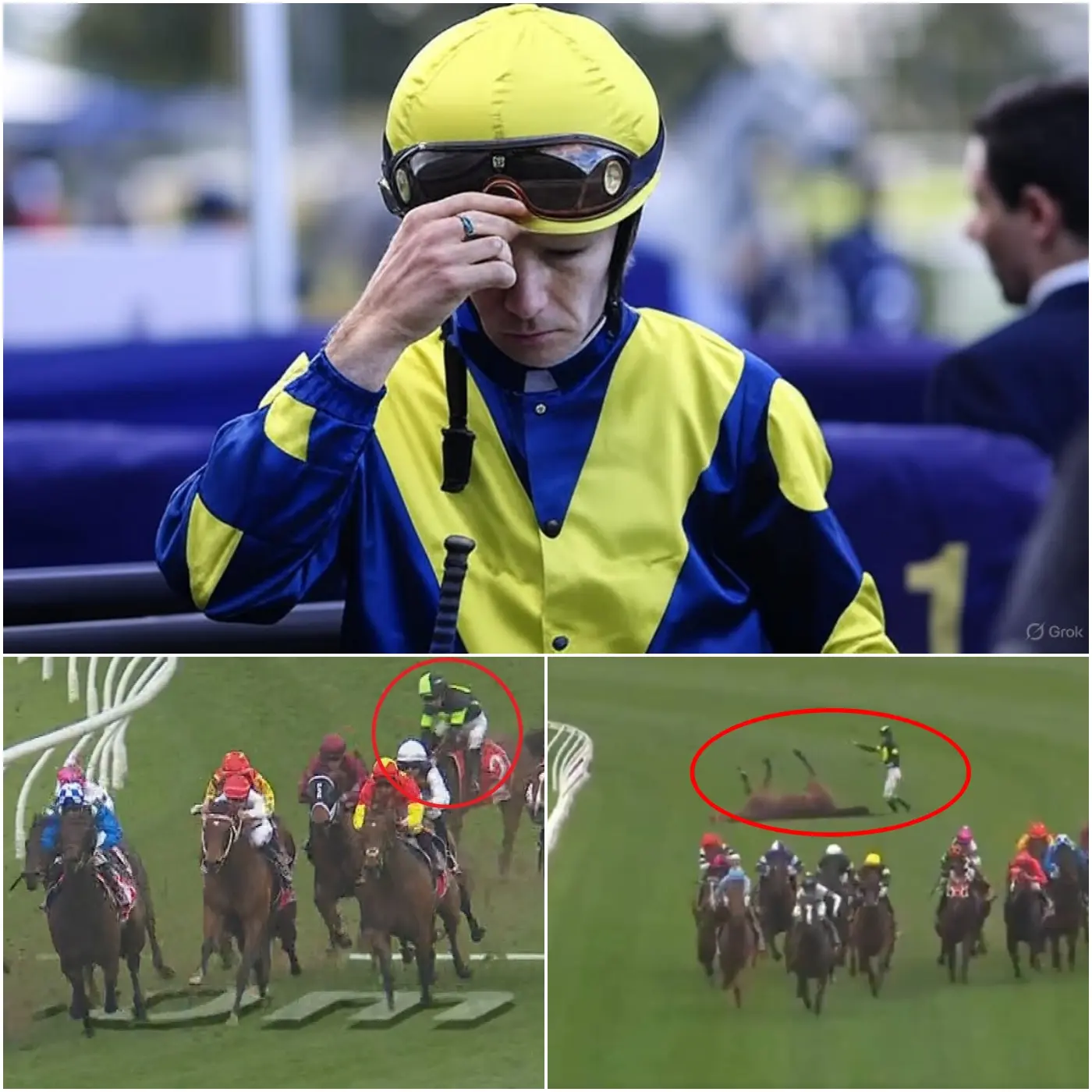
Think About It, trained by Joseph Pride, had been racing competitively before the horrifying moment. As the field rounded for home, the six-year-old suddenly faltered and went down, reportedly due to a significant pulmonary hemorrhage that caused internal bleeding. Spectators and viewers around the world watched in horror as the powerful sprinter thrashed on the ground, legs flailing in distress. Collett, thrown heavily but uninjured beyond a sore shoulder, quickly regained his footing and sprinted to the horse’s side.
In a display of remarkable composure and compassion, he knelt beside Think About It, holding the animal down gently to prevent it from attempting to stand too soon—a move that could have led to catastrophic injury, such as a broken leg.
Veterinary teams arrived swiftly, and screens were erected to shield the scene from the crowd. What many feared would be a fatal outcome turned into what has been described as a miracle. After treatment on the track and further care, Think About It managed to rise and walk back to the stables under his own power. The horse’s recovery astonished those present, including Collett himself. “I’m OK and amazingly the horse has walked back to the stalls,” the jockey said shortly afterward, his voice reflecting both relief and disbelief.
The gelding was later retired from racing to ensure his long-term health, a decision met with understanding given the severity of the episode.
Collett’s actions drew immediate and effusive praise from across the racing world. Commentators, fellow riders, and fans highlighted his selflessness in a high-pressure, potentially dangerous situation. By prioritizing the horse’s welfare over his own safety—while other runners continued past in the ongoing race—Collett demonstrated the deep bond that can exist between jockey and mount. Media outlets dubbed him a hero, with headlines emphasizing how his quick thinking and bravery may have contributed to saving Think About It from a worse fate.
One observer noted the “crazy dangerous” nature of the moment, as the jockey risked being kicked or trampled while calming the flailing animal.
Yet amid the acclaim for Collett’s heroism, a darker undercurrent emerged. Some in the racing community expressed dismay that the race was allowed to continue without interruption, even as the incident played out in full view on the track. The field streamed past the fallen pair, with stewards not halting proceedings despite the obvious distress.
This decision fueled a surge of online commentary and calls for a thorough review by Racing NSW and broader authorities, including demands for an investigation by the British Horseracing Authority (BHA)—though the incident occurred in Australia, the reference may reflect international scrutiny or calls for global standards. Critics argued that the continuation of the race sent a troubling message about priorities, placing the spectacle above immediate animal welfare concerns.
Horse racing has long grappled with such incidents, where high-speed competition can lead to sudden breakdowns, often linked to exertional pulmonary hemorrhage or other stress-related issues. Think About It’s case was particularly poignant given his status as a multiple Group 1 winner and fan favorite. The event reignited debates over track safety, veterinary protocols, and the ethics of continuing races when a horse is down.
Supporters of the sport pointed out that swift veterinary response and the horse’s eventual recovery showed the system’s effectiveness, while detractors questioned whether more could be done to prevent such collapses or respond more decisively when they occur.
In the aftermath, Racing NSW issued statements confirming Collett’s clearance to ride again and updating on Think About It’s stable condition under veterinary supervision. The jockey later reflected on his instincts, explaining that his first thought was fear for the horse’s legs and a determination to keep him calm. “I turned to the horse and feared he had done something to his leg, so I went to hold him down,” he recounted. This instinctive response has been celebrated as emblematic of the best in racing—where despite the risks and pressures, the welfare of the animal remains paramount for many involved.
As the sport moves forward, the Sydney Stakes incident serves as a stark reminder of its inherent dangers and the thin line between triumph and tragedy. While Think About It survived to enjoy a peaceful retirement, the images of Collett’s desperate rush to his side—and the race continuing onward—have left an indelible mark. Calls for enhanced investigations and reforms continue, with many hoping that this “sad news” moment can drive meaningful change to better protect both horses and riders in the future.
The bravery of one jockey amid heartbreak has highlighted both the humanity and the harsh realities of the racing world.