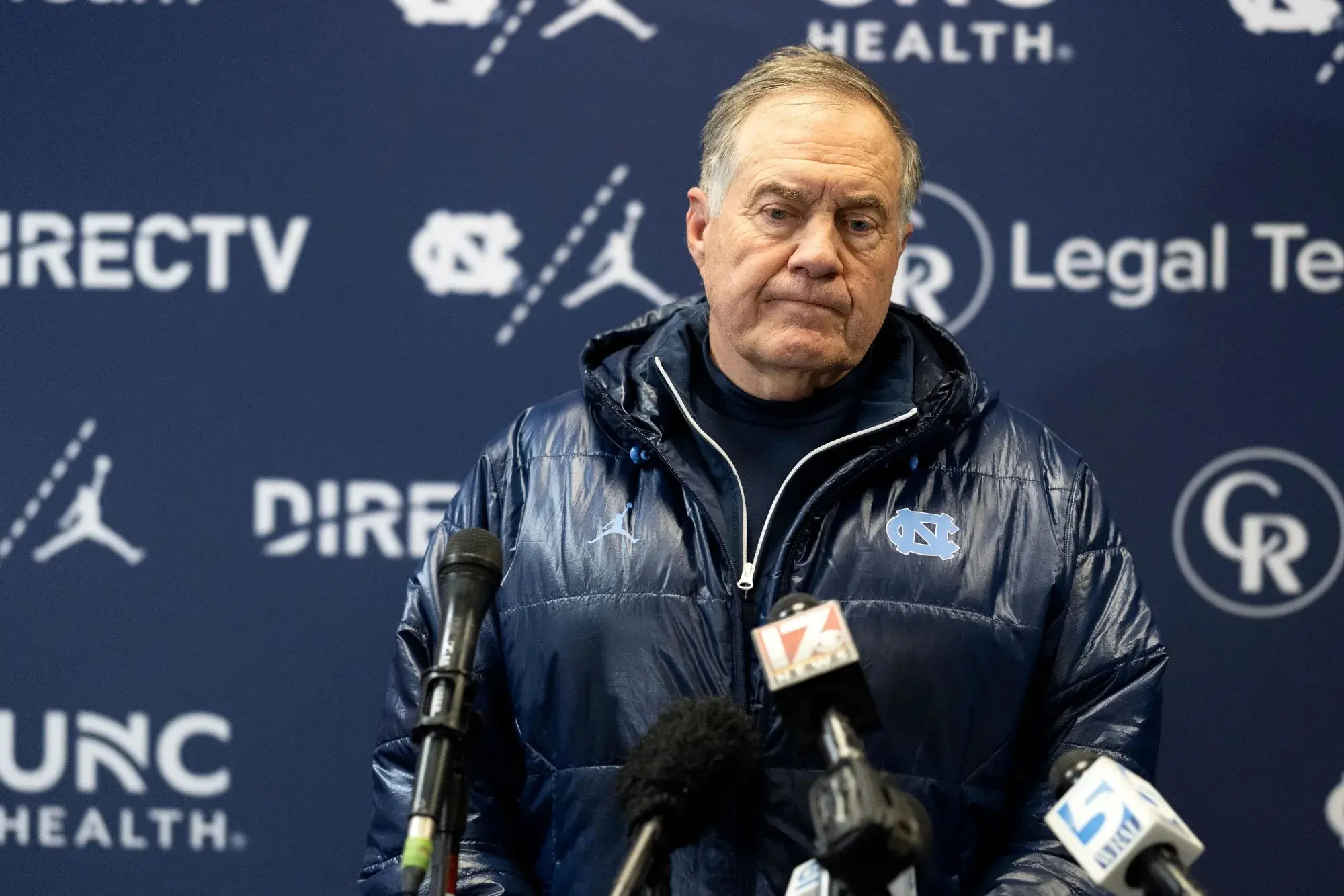
The shocking news that Bill Belichick, the most decorated coach in NFL history with eight Super Bowl titles—including six as head coach of the New England Patriots—will not be inducted into the Pro Football Hall of Fame as a first-ballot selection has ignited widespread outrage across the football world. In a vote conducted earlier this month by the 50-member selection committee, Belichick fell short of the required 80% threshold, needing at least 40 votes for enshrinement into the Class of 2026.
Sources close to the process confirmed he received the call from a Hall representative on Friday afternoon informing him of the outcome, leaving the legendary coach “puzzled” and “disappointed.”
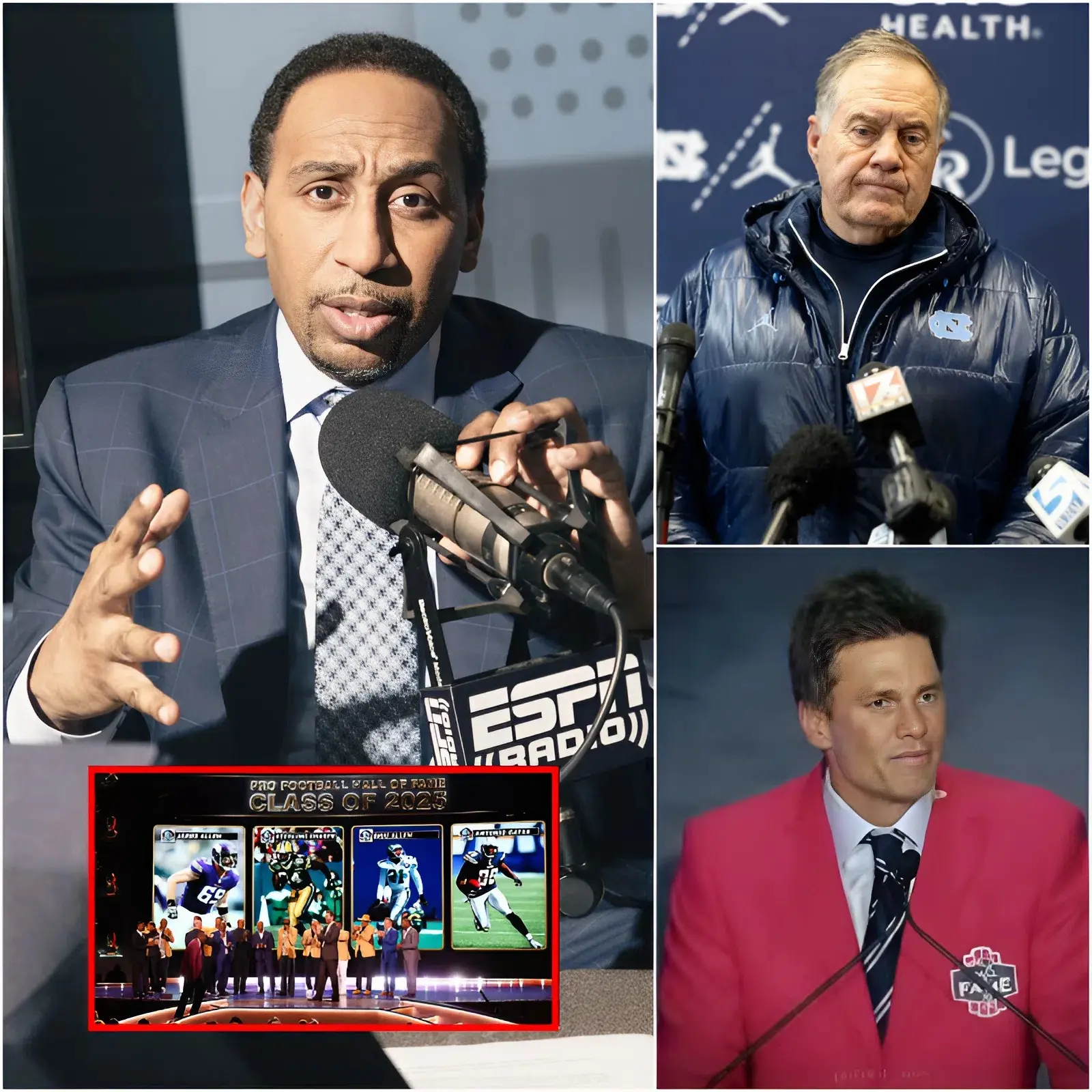
The decision has sparked intense backlash, with prominent voices questioning the integrity of the voting process and the legitimacy of the Hall itself. ESPN’s Stephen A. Smith, known for his fiery commentary on First Take, unleashed a blistering tirade against the committee, labeling the snub a “disgrace” and calling for a boycott of the Pro Football Hall of Fame. “Nobody should want to go into that Hall of Fame if Bill Belichick ain’t in as a first-ballot Hall of Famer,” Smith declared. “It’s a disgrace. Nobody should show up.
Nobody should want to go into that Hall of Fame.” His comments, delivered with characteristic passion, resonated deeply with fans who view Belichick’s exclusion as an affront to the sport’s history. Smith went further, suggesting the entire institution has lost credibility, urging a collective rejection until such oversights are corrected.
The controversy stems from the opaque nature of the Hall’s selection process. Voters, a mix of veteran media members and select Hall of Famers, were tasked with choosing among finalists in various categories, including coach, contributor, and senior candidates. Rules allowed voters to select up to three from the five finalists in certain groups, which some analysts believe created strategic voting dilemmas. At least 11 voters opted against Belichick, despite his unparalleled resume: the NFL’s all-time leader in playoff wins, a record-tying six Super Bowl rings as head coach, and a dynasty that redefined excellence in the modern era.
One voter, Kansas City Star columnist Vahe Gregorian, publicly explained his decision, stating he felt “duty-bound” to prioritize senior candidates over Belichick, emphasizing that factors like past controversies played no role in his choice.
Belichick’s achievements stand alone. He transformed the Patriots from a perennial underachiever into the most dominant franchise of the 21st century, building teams through elite drafting, innovative schemes, and an unrelenting focus on preparation. His defensive genius was evident long before Tom Brady arrived, as seen in his earlier success with the New York Giants, where he contributed to two Super Bowl victories as defensive coordinator. The sheer volume of success—eight rings total, including two as an assistant—combined with his longevity and adaptability, makes a compelling case for unanimous first-ballot status.
Many argue that if Belichick, with his record, falls short, the bar for coaches becomes impossibly high.
Adding fuel to the fire, Tom Brady, Belichick’s former quarterback and the greatest player in NFL history, quickly defended his one-time mentor. In an interview on Seattle Sports’ Brock and Salk show, Brady expressed bewilderment at the outcome. “I don’t understand it,” he said. “I mean, I was with him every day. If he’s not a first-ballot Hall of Famer, there’s really no coach that should ever be a first-ballot Hall of Famer, which is completely ridiculous because people deserve it.” Brady praised Belichick effusively, calling him “incredible” and stating unequivocally, “There’s no coach I’d rather play for.
If I’m picking one coach to go out there to win a Super Bowl—give me one season—I’m taking Bill Belichick.” His measured yet pointed statement cut through the noise, highlighting the personal bond forged over two decades and six championships together. Brady’s words silenced doubters in the moment and amplified the debate, as fans flooded social media with support for both men.
The reaction extended beyond the Patriots family. Patriots owner Robert Kraft, himself a contributor finalist this year and despite past tensions with Belichick, issued a statement calling the snub unjust and affirming that Belichick “unequivocally deserves to be a unanimous first-ballot Pro Football Hall of Famer.” Other figures, including Patrick Mahomes, Rob Gronkowski, and even LeBron James, voiced disbelief, underscoring how the news transcended football circles.
In response to the mounting criticism, the Pro Football Hall of Fame released a statement emphasizing the sanctity of its bylaws and warning that any proven violations by voters could result in removal from the committee. While not naming Belichick directly, the message acknowledged the “media reports” and reaffirmed the process’s importance. Yet this did little to quell the anger, with many seeing it as damage control rather than accountability.
Belichick remains eligible for future classes and is widely expected to gain induction eventually—perhaps as early as 2027. But the first-ballot miss has damaged perceptions of the Hall’s process, raising questions about bias, strategic voting, and whether personal or regional grudges influenced decisions. For a coach whose career embodied excellence, preparation, and winning at the highest level, the rejection feels not just surprising but profoundly wrong to many.
This episode serves as a reminder of the Hall’s human element—flawed voters making subjective choices about objective greatness. Belichick’s legacy, built on championships and innovation, endures regardless. The debate will rage on until Canton corrects what so many view as a glaring error. In the meantime, the call for reflection on what true Hall-worthy achievement means grows louder, driven by voices like Stephen A. Smith’s impassioned plea and Tom Brady’s quiet authority. The football world waits, frustrated but resolute, for justice to be served.