IndyCar Drivers Voice Frustration Over New Stewards and Perceived “Gap” with Penske
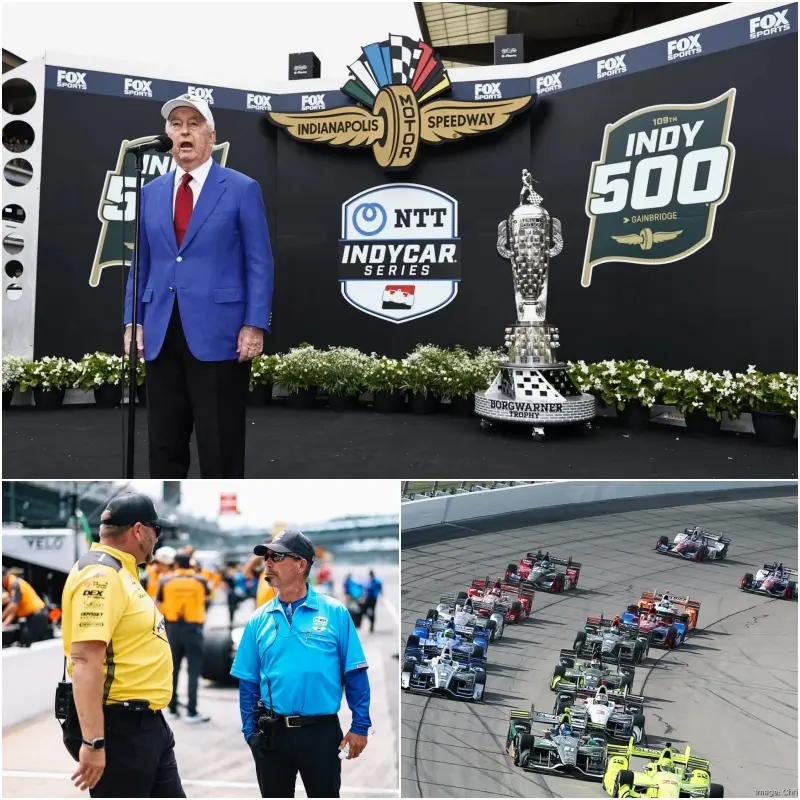
In the high-stakes world of IndyCar racing, where split-second decisions and razor-thin margins define success, a growing undercurrent of discontent has emerged among drivers regarding the series’ officiating structure. The introduction of new stewards and an independent officiating framework has done little to quell concerns about impartiality, particularly when it comes to Team Penske. Drivers have openly expressed frustration over what they describe as a persistent “gap” — a perceived disparity in how rules are enforced and interpreted when Penske’s cars are involved.
This sentiment follows the high-profile controversy surrounding Team Penske’s qualifying performance at last year’s Indianapolis 500, an incident that continues to cast a long shadow over the series as the 2026 season approaches.
The roots of the current tension trace back to May 2025, during qualifying for the 109th Running of the Indianapolis 500. Team Penske’s entries driven by Josef Newgarden and Will Power were found to have illegally modified rear attenuators — safety devices designed to absorb impact in crashes. Technicians had filled in gaps and smoothed transitions on the parts, ostensibly for aesthetic reasons, but the alterations violated IndyCar’s strict rules on body fit and unmodified components. Although officials stated the changes provided no measurable speed advantage, the infraction was clear-cut.
As a result, Newgarden and Power were bumped to the rear of the 33-car field, starting 32nd and 33rd respectively, while the third Penske car of Scott McLaughlin escaped additional penalties despite scrutiny following a practice crash.
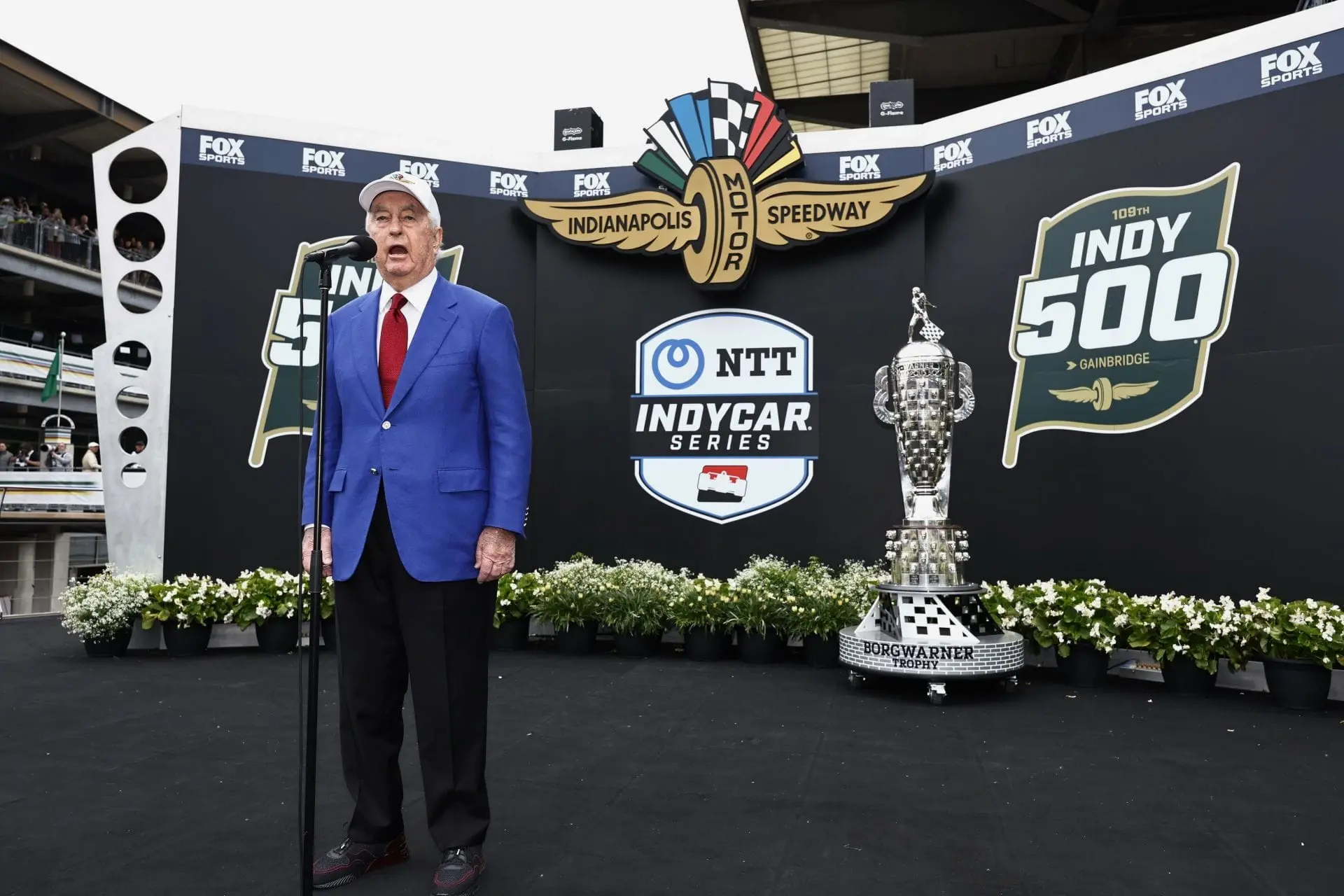
The scandal intensified because of Roger Penske’s unique position: he owns Team Penske, the IndyCar Series itself through Penske Entertainment, and the Indianapolis Motor Speedway. This dual role had already drawn scrutiny from a prior incident in 2024, when Team Penske drivers were penalized for manipulating the push-to-pass system, granting unauthorized access to extra horsepower. That violation led to disqualifications and points deductions, further eroding trust. The 2025 attenuator case prompted immediate backlash in the paddock, with drivers and team owners questioning whether the same standards apply across the board.
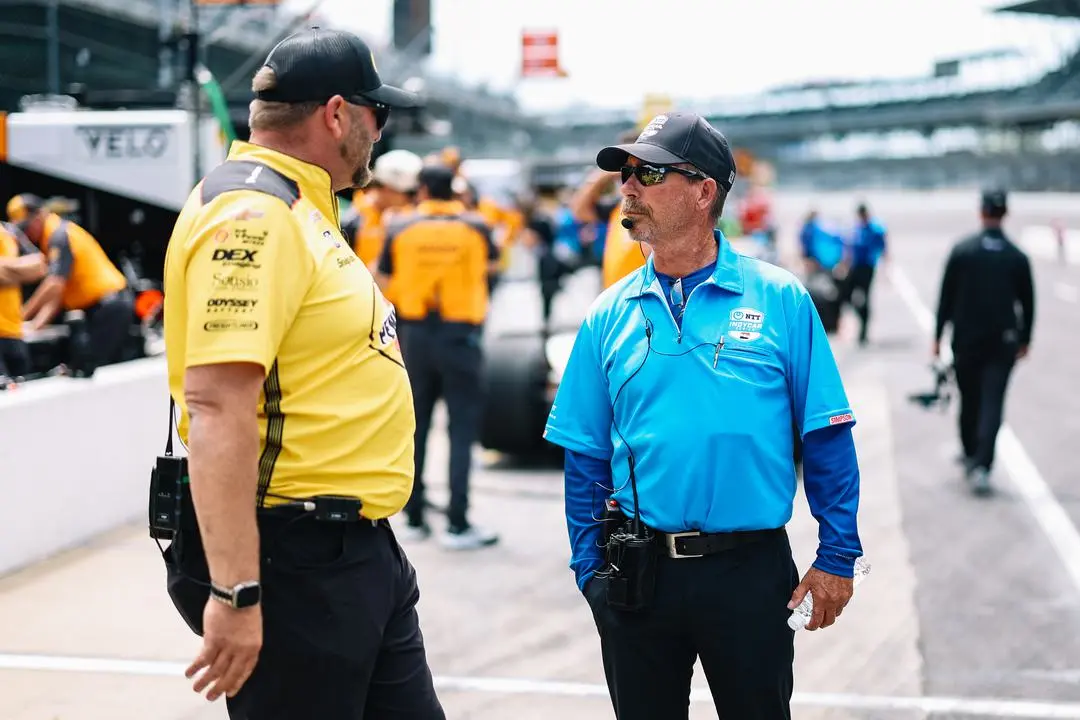
In response to mounting pressure and calls for greater separation between series governance and team operations, IndyCar announced significant changes late in 2025. Penske Entertainment established a formal Independent Officiating Board (IOB) set to take effect for the 2026 season. Comprising three experienced members reporting to a new non-profit entity, IndyCar Officiating, Inc., the board handles race stewarding and technical inspections. While many existing officials are expected to transition to the new structure, the shift aims to address perceptions of bias. Salaries remain funded by Penske Entertainment, however, leaving some critics to argue that true independence remains elusive.
Drivers have not been shy about their dissatisfaction. The “gap” they reference encompasses not just enforcement inconsistencies but also a broader sense that Penske-affiliated decisions carry an inherent advantage or leniency. Social media and paddock discussions have highlighted frustrations over past subjective calls, such as penalty interpretations in on-track incidents where Penske cars appeared to receive favorable outcomes. One recurring theme is the belief that the series’ ownership structure inherently compromises neutrality, even with the new board in place.
Drivers point to the attenuator scandal as evidence that internal oversight failed to catch issues early, only addressing them after rival intervention — in that case, reportedly from Chip Ganassi highlighting anomalies during qualifying.
The fallout from the 2025 Indy 500 qualifying debacle extended beyond penalties. Roger Penske personally oversaw the dismissal of Team Penske’s top IndyCar leadership: president Tim Cindric, managing director Ron Ruzewski, and general manager Kyle Moyer. The move was framed as a necessary step to restore credibility, with Penske acknowledging the damage to the sport’s integrity. “The integrity of this sport, I didn’t help it any,” he admitted in interviews following the incident.
The firings sent ripples through the paddock, with some viewing them as accountability and others as damage control amid threats from manufacturers like Honda, whose future in IndyCar beyond 2026 has been questioned partly due to these controversies.
As the 2026 season looms, the new stewards face immediate pressure to demonstrate impartiality. The IOB’s structure promises a more arms-length approach, with officials now under a separate entity, but skepticism persists. Drivers worry that without complete financial and operational separation, the “gap” will linger. Comments from the garage suggest a desire for transparent, consistent rule application, free from any shadow of conflict. The series’ leadership, including new president Doug Boles, has emphasized that the changes prioritize credibility for teams, drivers, and fans.
This ongoing debate underscores a broader challenge for IndyCar: balancing the benefits of Penske’s stewardship — which stabilized the series after turbulent years — against the need for unquestioned fairness. The attenuator controversy at last year’s Indy 500 served as a catalyst, exposing vulnerabilities that the new officiating setup seeks to remedy. Yet drivers’ frustrations signal that rebuilding trust will require more than structural adjustments; it demands consistent actions that prove no team enjoys preferential treatment.
With the season opener on the horizon, all eyes will be on how the Independent Officiating Board handles its first tests. The drivers’ voices reflect a paddock eager for a level playing field, where performance, not ownership ties, dictates outcomes. Until that perception shifts, the “gap” remains a topic of heated discussion in IndyCar circles, threatening to overshadow the on-track action that fans crave.