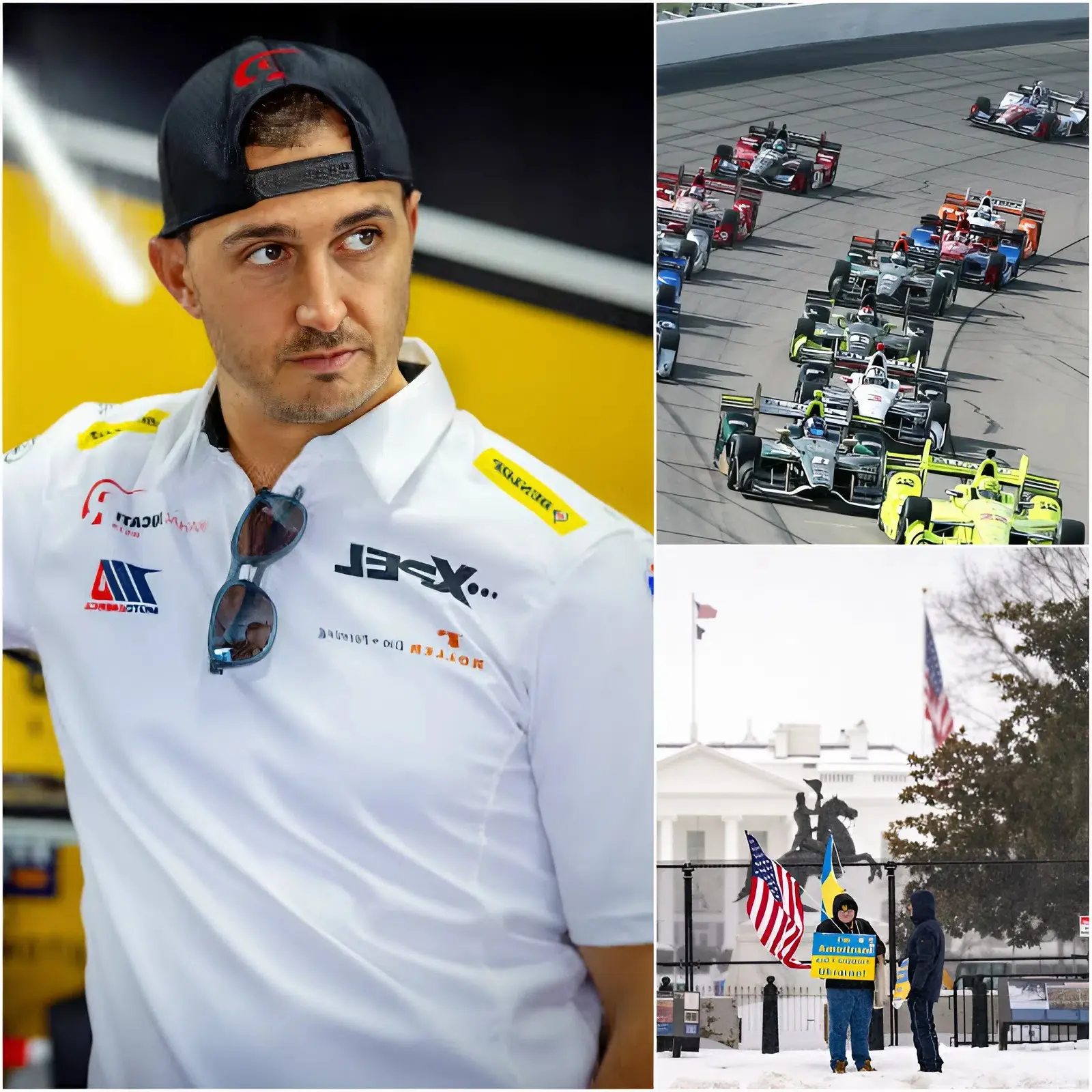
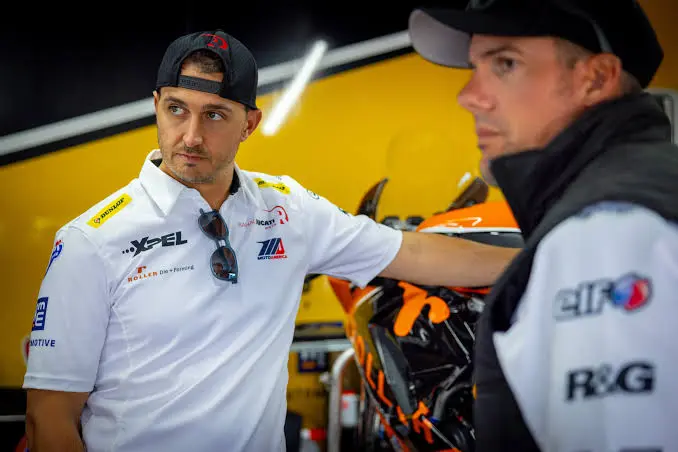
The proposed IndyCar race in Washington, D.C., to mark the 250th anniversary of American independence has sparked heated debate within the motorsport community, drawing sharp responses from drivers and fans alike. Veteran driver Graham Rahal, of Rahal Letterman Lanigan Racing, recently addressed critics of the idea with pointed sarcasm, telling them, “Live life to the fullest,” in a clear jab at those opposing the high-profile event.
The concept of staging an IndyCar street race in the nation’s capital emerged as part of broader celebrations for America’s semiquincentennial in 2026. Discussions reportedly involved the U.S. Department of Transportation, with pushes from Transportation Secretary Sean Duffy and even ties to President Donald Trump’s vision for patriotic spectacles during the America250 initiative. Proposals floated a temporary circuit around the National Mall, potentially starting near the Supreme Court, looping past iconic landmarks like the Lincoln Memorial, and featuring pit row by the Reflecting Pool.
One targeted date was August 21, 2026—an open weekend in the IndyCar calendar—positioning it as a grand, symbolic addition to the series’ schedule.
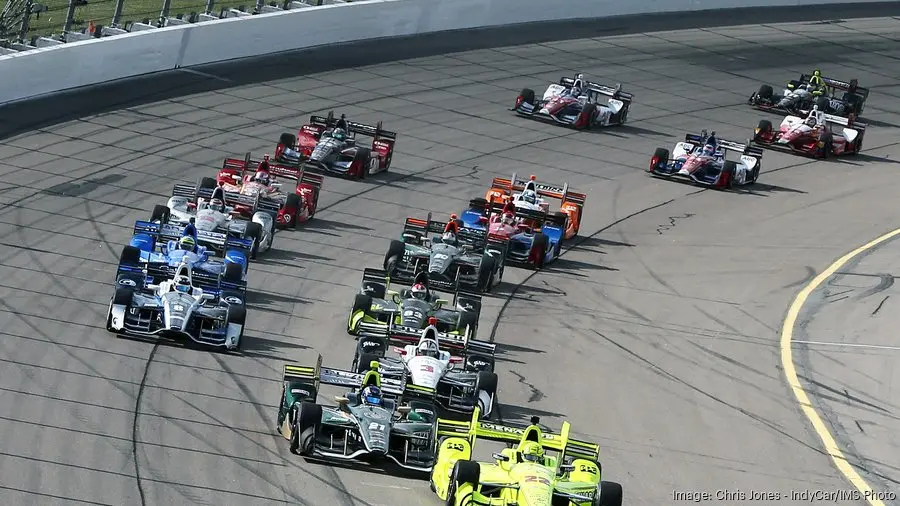
IndyCar has been open about exploring such opportunities, with officials stating they are “actively exploring the feasibility of a race in the nation’s capital in recognition of America’s 250th birthday.” This would offer a chance to showcase open-wheel racing in a historic setting, drawing massive crowds and national attention similar to other major events planned for the milestone year. For instance, UFC has already committed to a high-profile card tied to the celebrations, underscoring how sports are being leveraged to commemorate the occasion.
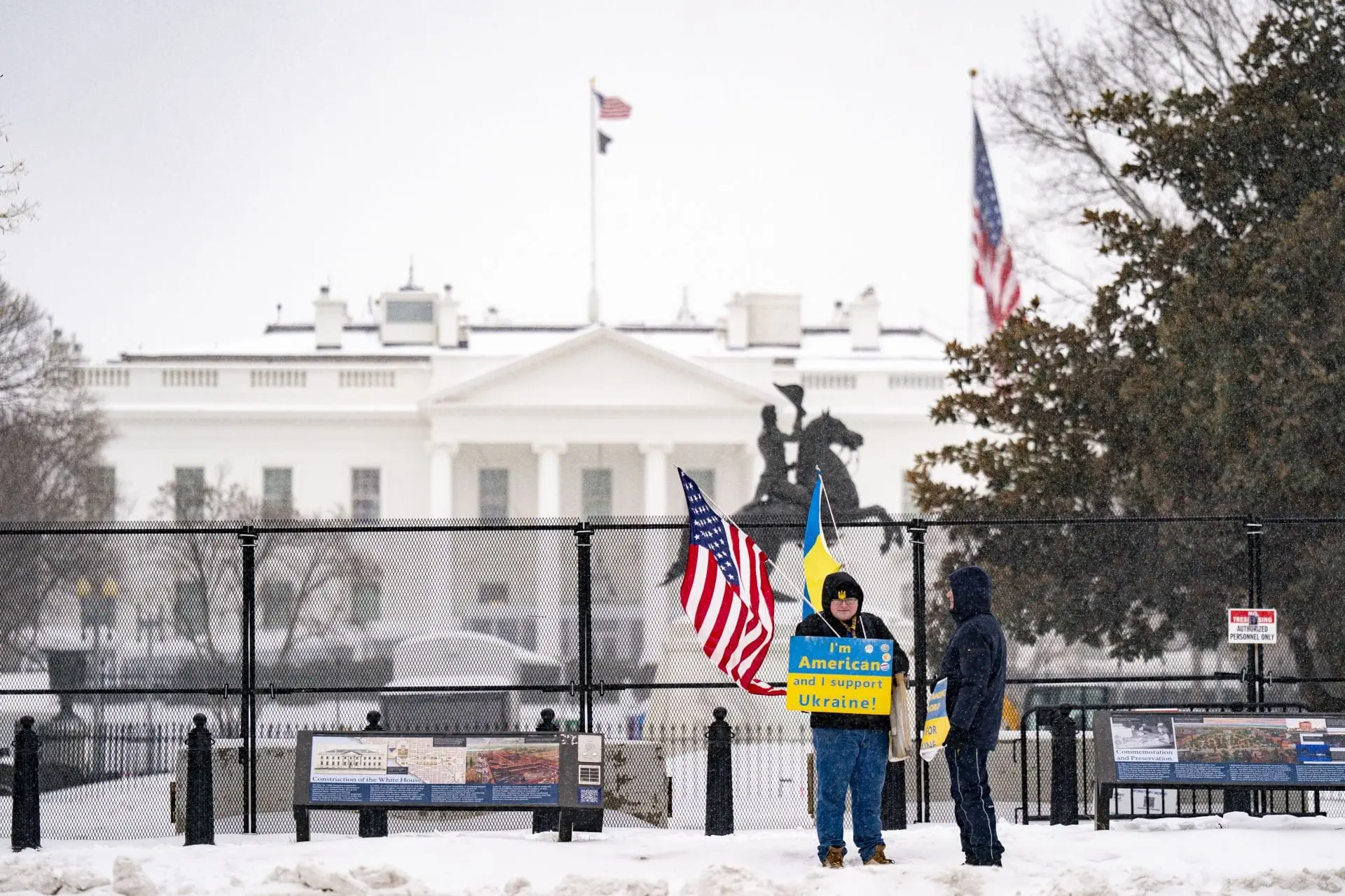
However, the proposal has faced significant hurdles. Organizing a street circuit in Washington, D.C., involves immense logistical challenges: securing permits, managing traffic disruptions in a heavily secured area, coordinating with multiple federal agencies, and addressing security concerns. A key obstacle is the existing ban on advertising on Capitol grounds, which conflicts with IndyCar cars and drivers’ suits covered in sponsor logos. Congressional approval would be required to waive or amend such restrictions, but Democrats have expressed strong opposition, calling the idea “absurd” and questioning its priority amid other national needs.
Reports indicate that even if enthusiasm exists on one side, the political divide has slowed progress, with some sources suggesting a 2026 race was never truly feasible on such short notice.
The idea first gained traction in mid-2025, when reports surfaced that IndyCar was eyeing a D.C. event for the anniversary, fueled by the series’ new broadcast partnership with Fox and ambitions for bolder, market-expanding races. Earlier speculation linked it to July 4 weekend, aligning directly with Independence Day, but the calendar ultimately placed traditional events like Mid-Ohio around that time instead. By late 2025 and into early 2026, conversations shifted to late summer, yet the 2026 schedule—confirmed at 17 races—did not include Washington, D.C. Despite this, discussions with government entities continued, keeping the door ajar for a potential one-off spectacle.
Graham Rahal’s sarcastic remark came amid growing criticism from some fans and observers who questioned the practicality or desirability of racing through such a symbolically charged and logistically complex location. Detractors argued it could disrupt local life, strain resources, or seem out of place amid the solemnity of a major national anniversary. Rahal, a 19-year series veteran known for his candid opinions, dismissed such views sharply. His “Live life to the fullest” quip appears to mock those unwilling to embrace bold, celebratory ideas, implying critics should stop overthinking and enjoy the thrill of something extraordinary.
In related comments, Rahal has previously suggested a Washington race could be “great,” highlighting its potential to elevate the series’ profile.
Rahal’s perspective carries weight given his deep roots in IndyCar. Driving for the family-owned Rahal Letterman Lanigan Racing team—co-founded by his father, 1986 Indianapolis 500 winner Bobby Rahal—he has experienced the sport’s highs and lows firsthand. With multiple race wins, including a memorable Detroit double in 2017, and consistent competitiveness on road and street courses, Rahal remains a respected voice. His sarcasm reflects a broader sentiment among some in the paddock: that IndyCar should seize opportunities for growth, especially patriotic ones that could attract new audiences and sponsors.
The debate underscores tensions in modern motorsport between tradition and innovation. IndyCar has pushed for more street and road courses to boost visibility, contrasting with oval-heavy roots. A D.C. race would represent the pinnacle of that shift—racing past monuments to democracy in a high-stakes, high-visibility format. Supporters see it as a fitting tribute, blending speed with national pride. Critics, however, worry about feasibility and politicization, especially given the involvement of the current administration.
As of late January 2026, no final decision has been announced, and the proposal remains in exploratory stages. IndyCar continues to express interest in major East Coast markets like Washington, but the combination of logistical, legal, and political barriers suggests it may not materialize this year. If pursued further, it could resurface for future seasons, perhaps with more lead time.
Rahal’s biting response serves as a reminder that while challenges abound, the spirit of racing often thrives on defying expectations. In pushing back against naysayers, he captured the essence of what makes events like this appealing: the audacity to stage something grand on a historic stage. Whether the cars ultimately roar around the National Mall or not, the conversation has highlighted IndyCar’s ambition to play a bigger role in America’s cultural moments.
For now, the proposal stands as a bold “what if” in a year defined by reflection on the nation’s founding—and a driver like Rahal isn’t afraid to tell detractors to embrace the ride.