The recent AFC Championship game between the Denver Broncos and the New England Patriots, played on January 25, 2026, at Empower Field at Mile High, has ignited widespread controversy over officiating decisions that many fans and analysts describe as blunders. The game, which saw the Patriots advance to Super Bowl LX with a narrow victory—reported in some accounts as 10-7—featured a pivotal second-quarter sequence involving Broncos backup quarterback Jarrett Stidham that has fueled heated debate and even whispers of deeper irregularities, though no concrete evidence of match-fixing has surfaced from official sources.
The incident unfolded midway through the second quarter, with the Broncos leading 7-0 after an early touchdown connection from Stidham to Courtland Sutton. Under intense pressure from the New England pass rush, Stidham attempted to escape the pocket and flung the ball backward in a desperate bid to avoid a sack. The pass appeared to many observers as a lateral, which, if ruled as such, would make the ball live and eligible for recovery and advance.
Patriots linebacker Elijah Ponder scooped up the loose ball and returned it approximately 12 yards into the end zone for what looked like a defensive touchdown, potentially shifting the game’s momentum dramatically.
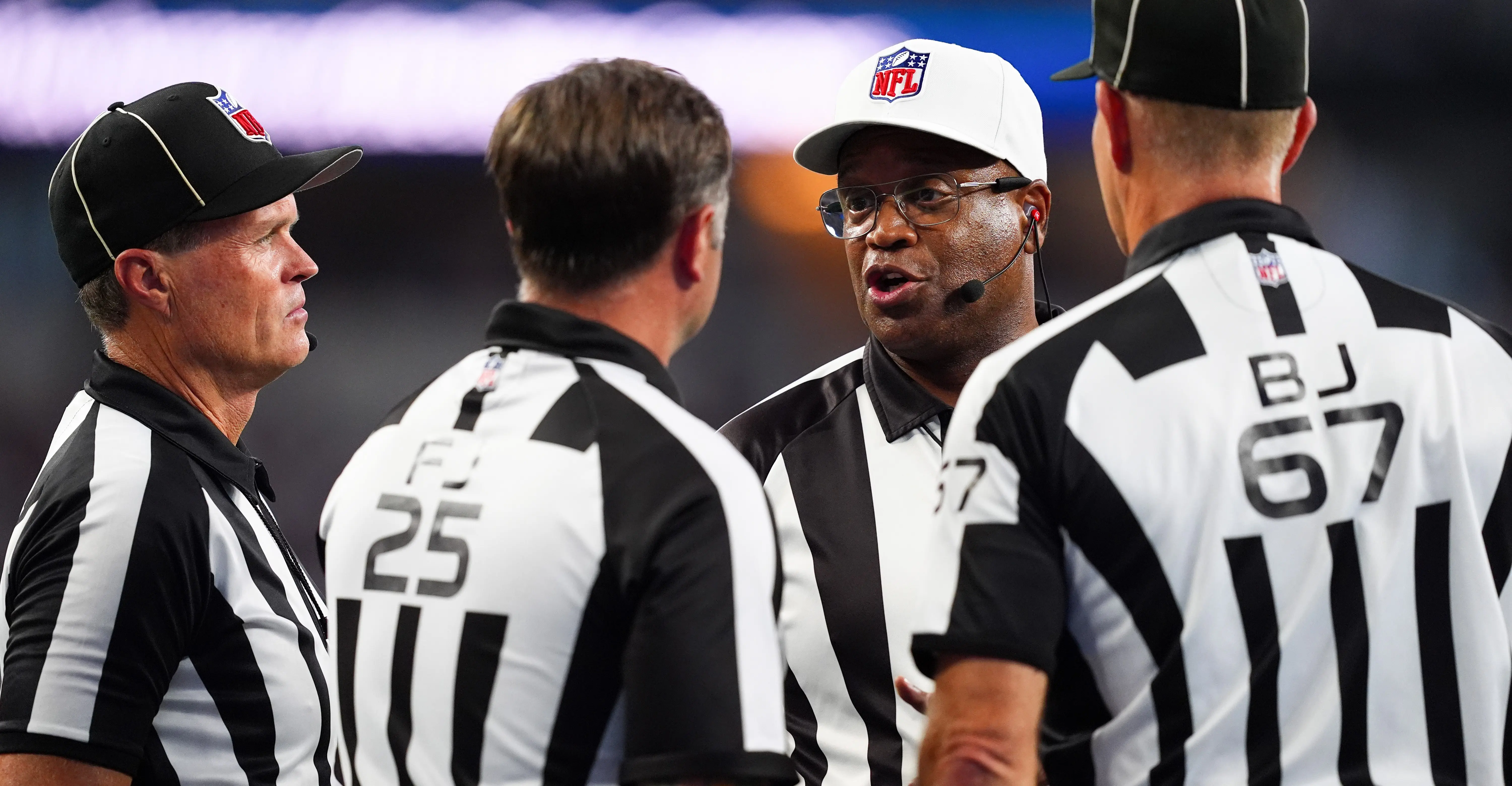
However, chaos ensued on the field. Initial rulings from the officials flagged the play as an incomplete forward pass with intentional grounding on Stidham, nullifying any advance. Whistles blew almost immediately, halting play even as Ponder crossed the goal line. Confusion reigned as crew members appeared divided—one seemingly signaling a fumble while others indicated an incomplete pass. After a brief huddle among officials, head referee Alex Kemp announced a reversal: the throw was deemed a backward pass, making it a fumble recovered by the Patriots at the Denver 12-yard line.
Crucially, because the play had been blown dead prematurely by an inadvertent whistle, the touchdown was wiped out, and New England could not score on the return. The Patriots retained possession deep in Broncos territory and capitalized a few plays later with a rushing touchdown from quarterback Drake Maye to tie the game at 7-7.
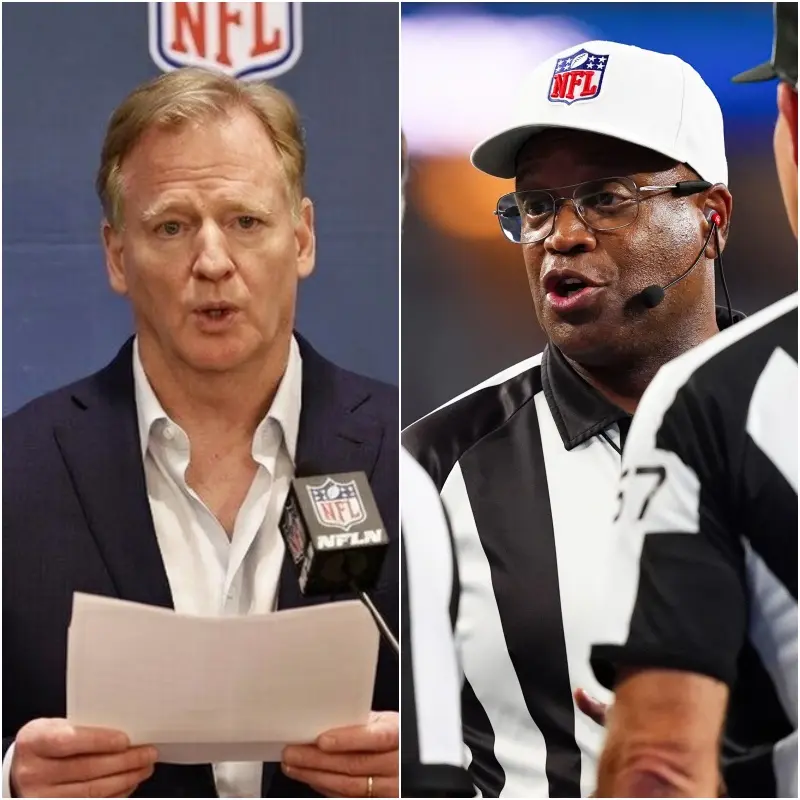
Post-game, referee Alex Kemp addressed the media, defending the core ruling on the backward pass while acknowledging the inadvertent whistle issue. He explained that the whistle occurred after a New England player had picked up the ball, but the premature stop prevented any further advance, including the would-be touchdown. Kemp noted that officials are instructed in turnover situations to let plays continue for potential replay review, but in this case, the early whistle short-circuited that process.
The explanation did little to quell fan outrage, particularly among Broncos supporters who felt the sequence robbed their team of a chance to maintain momentum, while Patriots fans lamented the lost touchdown despite their team ultimately benefiting from possession and points.
Social media erupted immediately, with clips of the play circulating widely. Fans accused the officials of incompetence, with comments highlighting the “baffling” nature of blowing the whistle on a potential live ball. Some pointed out that the reversal came without a formal challenge from Patriots head coach Mike Vrabel, raising questions about consistency in applying replay protocols. Broader frustration with NFL officiating in the 2025-2026 playoffs bubbled over, as this marked yet another high-profile postseason game marred by controversial calls—following disputed decisions in the Broncos’ earlier divisional win over the Buffalo Bills.
The referee at the center of the storm is Alex Kemp, a veteran official promoted to referee in 2018 after serving as a side judge. This marked Kemp’s first AFC Championship assignment and his eighth playoff game overall. His crew had a solid regular-season record in 2025, averaging around 12.94 penalties per game, but playoff pressure amplifies scrutiny. Notably, the Broncos had a favorable 5-2 historical record in games officiated by Kemp, including strong home performances, while the Patriots were 7-4 (or slightly varied in some reports) under his watch.
Kemp’s crew was not his regular-season group, as the NFL mixes assignments for postseason games, but his handling of the Stidham play drew particular ire.
While the blunders—initial misruling followed by a partial correction that still negated a potential score—dominated headlines, some online speculation escalated to suspicions of match-fixing. Fringe comments on platforms suggested bias toward one team or another, perhaps tied to market sizes, historical rivalries, or even league preferences. Denver, as a strong football market with passionate fans eager for a return to glory, and New England, with its storied legacy and young star Drake Maye, both carry weight in the narrative. However, no credible reports, investigations, or statements from the NFL, teams, or independent watchdogs have substantiated any fixing allegations.
The league has faced ongoing criticism for officiating quality, but these remain isolated errors rather than coordinated corruption.
The game itself was a defensive struggle, fitting for two teams that emphasized strong defenses during the season. Denver started strong with Stidham filling in effectively for an injured Bo Nix, but the turnover sequence shifted dynamics. New England’s resilience allowed them to grind out the win in a low-scoring affair decided by slim margins—fitting for a contest where one play’s mishandling could alter history. Broncos fans left the stadium and turned to social media in disbelief, while Patriots supporters celebrated advancement despite the officiating drama.
This controversy underscores persistent challenges in NFL officiating during high-stakes games. With millions watching, errors become magnified, eroding trust in the process. The NFL has invested in training, technology like full replay reviews, and pool reporters for transparency, yet incidents like this persist. As the Patriots prepare for Super Bowl LX against their NFC counterpart, the spotlight shifts from Denver’s offseason questions—including Stidham’s decisions and Nix’s recovery—to broader calls for improved consistency from the zebras.
For now, the AFC Championship will be remembered not just for Maye’s emergence or defensive battles, but for a referee’s sequence of decisions that left America shocked and debating long after the final whistle.