The recent seismic event in the horse racing world has sent shockwaves far beyond the tracks, with top Australian jockey James Innes Jr receiving a staggering 25-year disqualification from Racing NSW following a thorough investigation into serious allegations of sexual misconduct. This penalty, one of the harshest ever imposed on a rider in the sport’s history, has effectively ended his career at the age of 30 and ignited widespread debate about accountability, power dynamics, and safety within the industry.
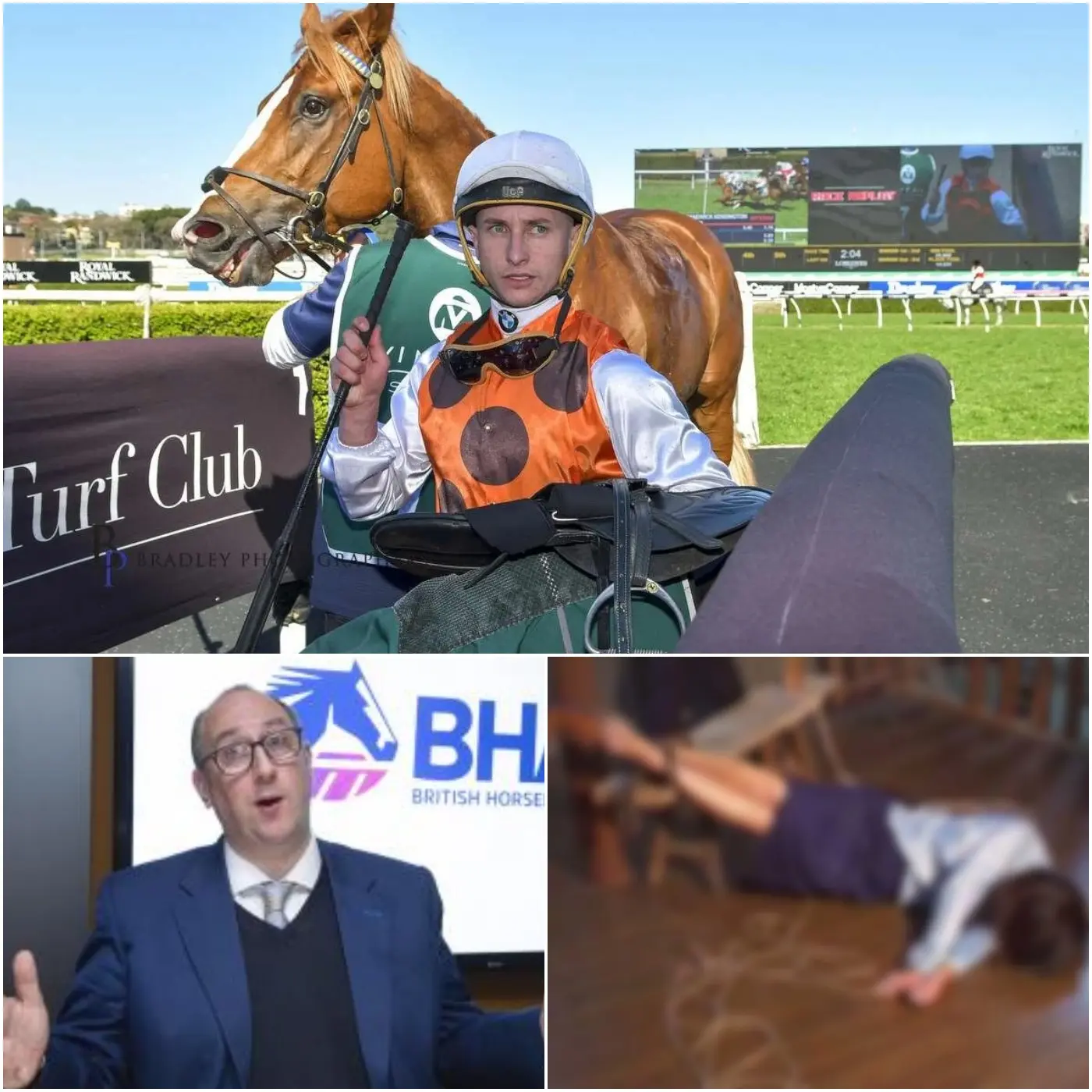
Innes Jr, best known for his emotional victory in the 2020 Group 1 Doncaster Mile aboard Nettoyer at Royal Randwick during the height of the COVID-19 pandemic, was a respected figure in New South Wales racing. That win, achieved in front of empty grandstands yet celebrated as a moment of personal triumph, saw the jockey reduced to tears in the aftermath, highlighting his passion for the sport. Over the years, he amassed significant earnings—reportedly in the millions—and built a reputation as a capable and determined rider based in the Canberra region.
His last competitive ride came on August 30, 2025, at Kembla Grange, before events took a dramatic turn.
The scandal erupted publicly in September 2025 when Racing NSW stewards issued eight charges against Innes Jr after an investigation by the Racing NSW Integrity Unit. Multiple female participants in the racing industry—five women according to several reports—came forward with allegations spanning sexual misconduct, harassment, and in some accounts, assault. These claims were examined in a formal hearing over recent weeks, culminating in the decision announced in late October 2025. The panel upheld the complaints, leading to the 25-year ban, a sanction that many describe as career-terminating given its length and severity.
While the exact details of the allegations remain protected due to privacy considerations in the proceedings, sources indicate they involved inappropriate behavior toward women in professional and related settings within the racing community. The ban is believed to be among the longest handed down to a jockey in Australia, short of a lifetime disqualification but functionally equivalent for someone at Innes Jr’s stage of life. It prevents him from participating in any capacity under Racing NSW jurisdiction, and given the reciprocal agreements across Australian states and internationally, it severely restricts any future involvement in the sport globally.
The fallout has been profound. Racing NSW’s action underscores a growing commitment to addressing misconduct and protecting participants, particularly in light of broader societal movements calling for safer workplaces. The decision has drawn both praise for its decisiveness and criticism from those who question the process or severity. Supporters of the ruling argue that such strong penalties are necessary to deter future incidents and rebuild trust in an industry where power imbalances can leave individuals vulnerable.
Critics, including some within racing circles, have suggested the ban’s length is unprecedented and potentially disproportionate, though the overwhelming media coverage has focused on the gravity of the upheld findings.
Innes Jr has maintained his innocence throughout the process, though no public statement of detailed rebuttal has emerged since the ban was confirmed. The absence of an immediate appeal or further comment has left many observers speculating on his next steps, which could include legal challenges or attempts to seek work outside regulated racing. It remains unclear whether the matter has escalated to police investigation, as no criminal charges have been publicly reported.
This case arrives at a time when horse racing worldwide grapples with integrity issues, from doping and race-fixing to conduct scandals. In Britain, the British Horseracing Authority (BHA) has dealt with its own high-profile corruption cases recently, such as the nine-year ban on jockey Dylan Kitts for conspiring to stop a horse in a betting-related scheme. However, the Innes Jr matter stands apart due to its focus on personal misconduct rather than gambling corruption.
The original framing of the story as involving the BHA and a “lifetime ban” appears to stem from misinformation or exaggeration in some social media posts, as the ruling came from Racing NSW in Australia, not the BHA. No equivalent BHA case matching this description exists, and the sport’s governing bodies maintain separate jurisdictions.
The broader implications for horse racing are significant. The industry relies heavily on its participants’ trust—jockeys, trainers, owners, and stable staff—and revelations like these erode that foundation. Female involvement in racing has grown steadily, with more women becoming jockeys, trainers, and officials, making it imperative for governing bodies to foster environments free from harassment. Racing NSW’s swift and severe response may serve as a precedent, encouraging other jurisdictions to strengthen their codes of conduct and investigative processes.
For fans and insiders alike, the loss of a talented rider like Innes Jr is regrettable, yet the priority on justice and safety appears to have prevailed. As the dust settles, the sport must reflect on how to prevent similar scandals, support victims, and ensure that success on the track does not shield unacceptable behavior off it. The 25-year ban on James Innes Jr is not just a punishment; it is a stark reminder that no one is above the rules, and that the pursuit of excellence in horse racing must align with basic standards of respect and decency.