Albanese Faces Fresh Political Blow as Queensland Rejects National Gun Buyback
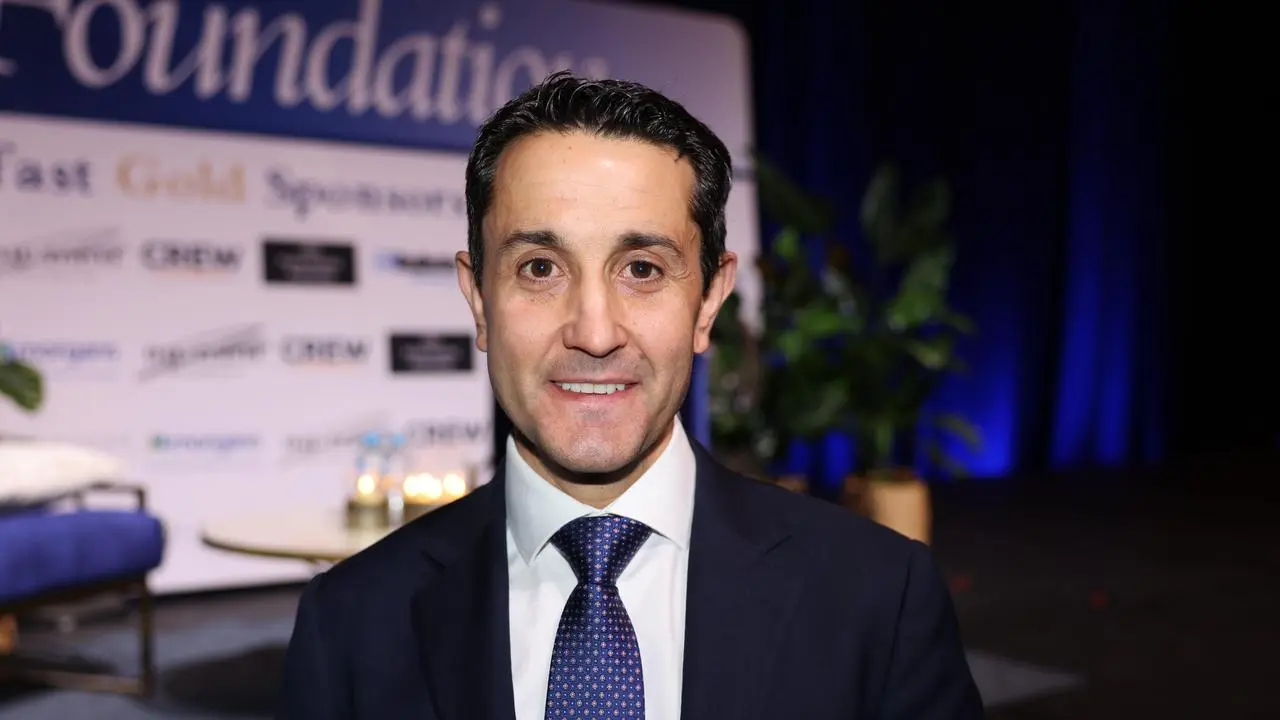
Prime Minister Anthony Albanese has suffered another significant political setback after Queensland Premier David Crisafulli publicly and unequivocally rejected the proposed national gun buyback program, deepening divisions between Canberra and the states at a sensitive moment for national security policy.
Crisafulli’s intervention was notable not only for its timing but for its bluntness. He argued that the proposed reforms fail to address the real threats facing Australians and instead risk unfairly targeting law-abiding citizens who comply with existing firearms regulations.
According to the Queensland Premier, punishing licensed gun owners will not stop extremists or criminals who operate outside the law. He stressed that genuine prevention lies in stronger intelligence coordination, better policing resources, and accountability for security failures exposed by the Bondi tragedy.
The comments place Queensland in direct opposition to the federal government’s push for a nationwide buyback scheme, which Albanese has framed as a necessary step toward improving public safety and restoring confidence after recent violent incidents.
Canberra has argued that national consistency is essential, warning that gaps between state laws can be exploited by criminals. However, Crisafulli countered that Queensland already maintains some of the strictest firearms regulations in the country.
He emphasized that farmers, hunters, and rural residents rely on firearms for legitimate purposes, including pest control and property protection, and should not be treated as collateral damage in a politically driven response to tragedy.
Cost has emerged as another flashpoint. The federal proposal would require states to share hundreds of millions of dollars in buyback expenses, a burden Crisafulli says Queensland taxpayers should not be forced to shoulder.
Queensland officials argue that such funds would be better invested in frontline policing, intelligence-sharing systems, and mental health interventions that identify threats before violence occurs.
The standoff highlights broader tensions within Australia’s federal system, where states increasingly resist what they view as heavy-handed directives from Canberra that overlook regional realities and practical enforcement challenges.
For Albanese, the rejection represents more than a policy disagreement. It underscores growing resistance to his government’s post-crisis reform agenda, which critics claim has been rushed and shaped more by optics than evidence.

Supporters of the Prime Minister insist decisive action is necessary after national trauma, arguing that strong leadership sometimes requires difficult decisions that may initially face opposition from state leaders.
Yet political analysts note that unilateral federal pressure can backfire, particularly when premiers frame resistance as defending local communities against distant bureaucratic control.
Crisafulli’s language has resonated strongly in regional Queensland, where distrust of metropolitan-driven policy is deeply rooted and where firearms ownership is often viewed through a practical rather than ideological lens.
The Premier also questioned whether the buyback would meaningfully reduce the risk of terrorism, suggesting that recent failures were rooted in intelligence lapses rather than legal access to registered weapons.
His comments have reignited debate over the balance between civil liberties and security, a perennial issue in Australian politics that becomes especially volatile following acts of mass violence.
Opposition figures at the federal level have seized on the Queensland stance, portraying it as evidence that Albanese’s reforms lack consensus and practical grounding across the federation.
They argue that national unity cannot be manufactured through funding threats or moral pressure, but must be built through cooperation and respect for state-level expertise.
Within Labor ranks, there are signs of unease, with some MPs privately acknowledging concerns about implementation costs, political backlash in regional seats, and the risk of alienating traditionally moderate voters.
Gun control advocates, however, warn that allowing states to opt out undermines the effectiveness of any national strategy and could create dangerous inconsistencies over time.
They point to Australia’s historical success with buyback programs as proof that decisive legislative action can reduce gun violence when applied comprehensively and without exemptions.
Crisafulli disputes that comparison, arguing that the current proposal differs fundamentally from past reforms and fails to reflect today’s security environment, where threats are increasingly decentralized and ideologically driven.
The Bondi tragedy looms large over the debate, serving both as a catalyst for reform and a symbol of institutional shortcomings that many believe remain unresolved.
Queensland’s refusal may embolden other states to question the federal approach, potentially turning what was meant to be a unifying reform into a prolonged intergovernmental struggle.
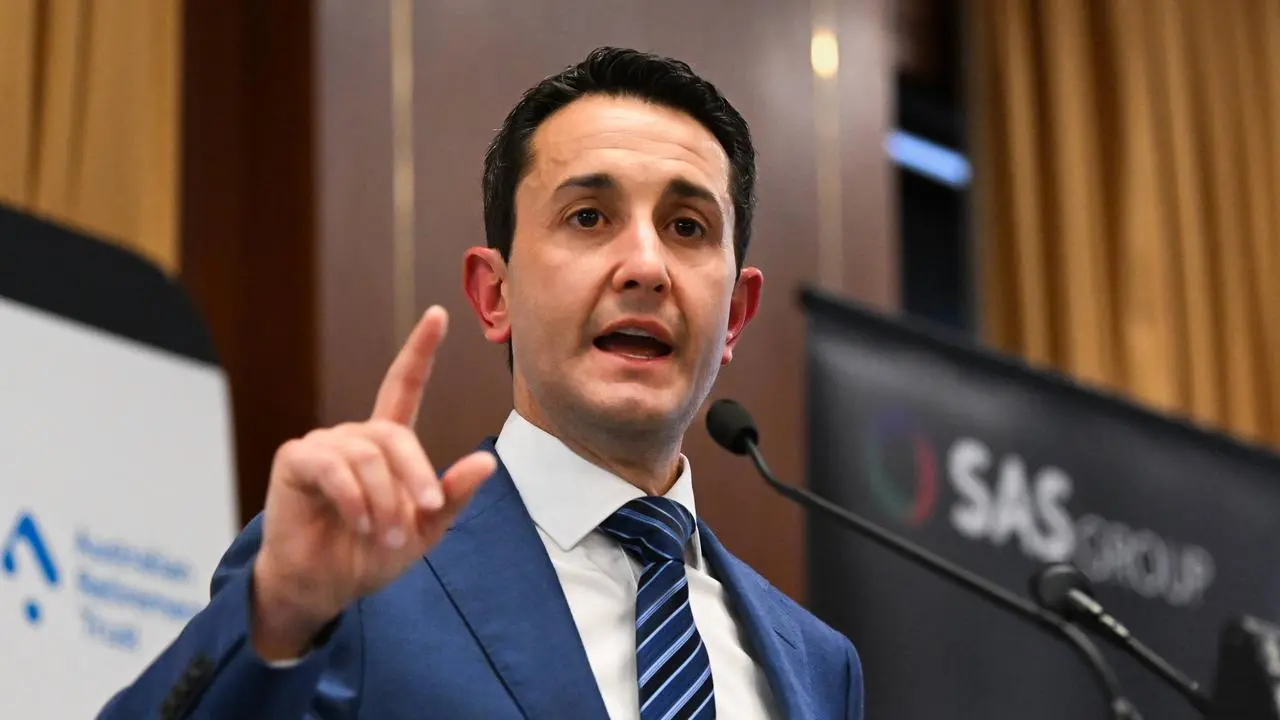
Such resistance risks slowing legislative momentum and shifting the national conversation from public safety outcomes to political brinkmanship and constitutional boundaries.
For Albanese, the challenge now is to rebuild trust with the states while maintaining credibility with a public demanding action, clarity, and reassurance in uncertain times.
Whether the gun buyback survives in its current form remains unclear, but Queensland’s stance has undeniably exposed cracks in the government’s strategy.
As the debate intensifies, the question facing Australians is not only how to prevent future tragedies, but whether hastily constructed reforms can endure without broad-based support.
If more states follow Queensland’s lead, Albanese may be forced to reconsider his approach, negotiate significant changes, or risk seeing his flagship safety initiative unravel piece by piece.