The tragic death of jockey Elvin Abrea has sent shockwaves through the global horse racing community. The 32-year-old Filipino rider lost his life after a devastating mid-race incident at the Hapi Jockey Club track in Padre Garcia, Philippines, where he was trampled by an oncoming horse following a fall. The accident unfolded during the sixth race on Saturday, leaving little room for evasion and highlighting the inherent dangers of the sport even at a relatively new venue.
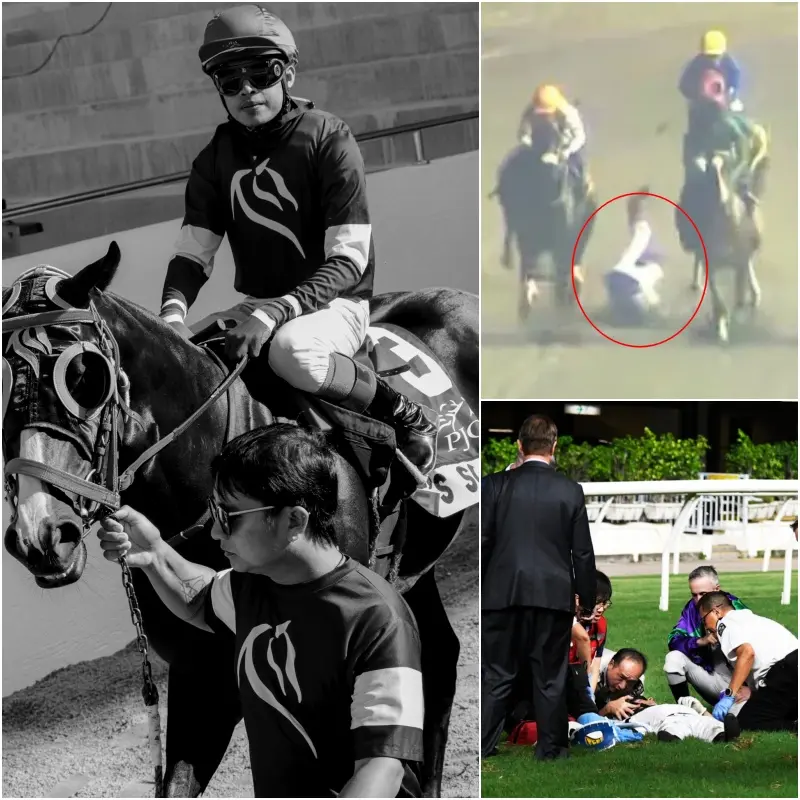
Abrea was aboard Fly With The Wind, a horse competing in what appeared to be a routine event at the country’s sole racecourse, which only began operations in November. As the field navigated a tight pack, Abrea’s mount attempted to shift right while positioned among other runners. In a split-second mishap, Fly With The Wind clipped the heels of Magnolia Ariana, ridden by jockey JL Paano. The contact destabilized the horse, causing it to stumble and pitch Abrea violently to the turf.
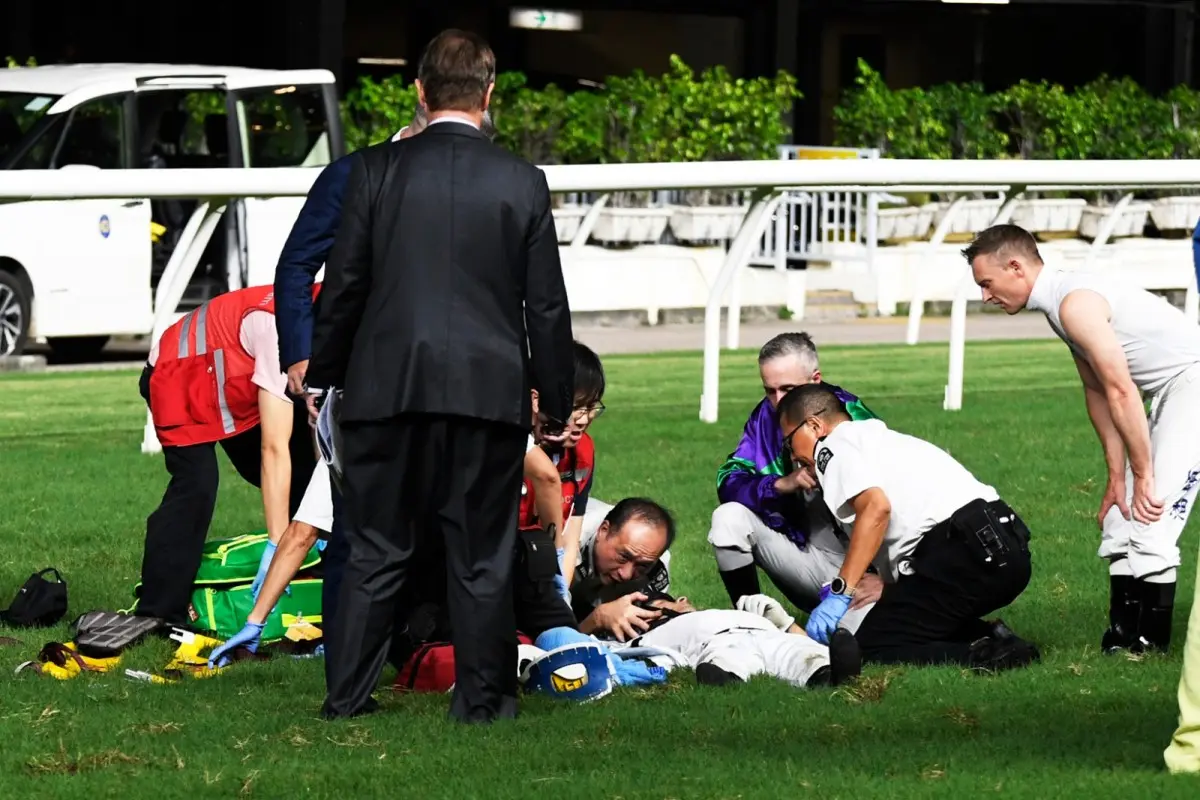
Lying exposed on the track, Abrea had almost no time to recover or roll away. A trailing horse galloped over him in the chaos, delivering fatal blows as the field continued past. Emergency medical personnel rushed to the scene, but despite immediate efforts, Abrea was pronounced dead from his injuries. The Philippine Jockey Club issued a somber statement confirming the loss, expressing deep sorrow and halting all remaining races at the meeting out of respect.
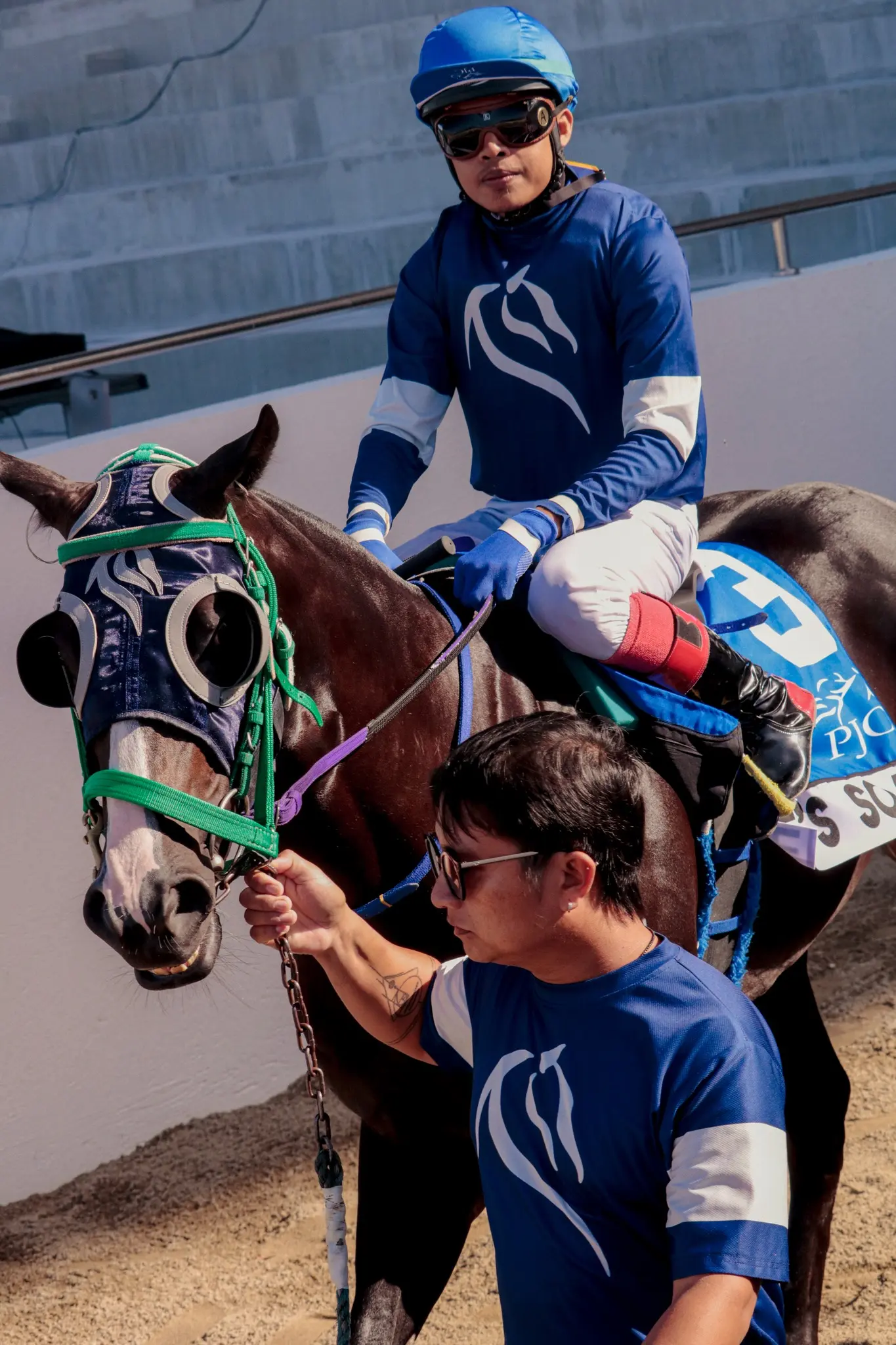
The incident has stunned an industry already familiar with risk, but rarely confronted with such a swift and brutal outcome at a facility still in its early days. Padre Garcia’s track, the Philippines’ only operational racecourse, opened recently amid hopes of revitalizing local thoroughbred racing. Abrea himself had secured one victory since the venue’s debut, marking him as an active and capable participant in the fledgling circuit. His death underscores how even minor errors—like a clipped heel in crowded conditions—can cascade into catastrophe when horses travel at full speed.
Tributes have poured in from across the racing world since news broke. Fellow jockeys, trainers, owners, and fans have shared memories of Abrea’s dedication and skill. Many highlighted his professionalism and the quiet determination he brought to every ride. The Philippine racing community, in particular, has been left reeling, as the country works to build a sustainable racing scene after years of challenges. Officials noted that Abrea was well-regarded among peers, and his passing represents a significant blow to morale at a time when the sport seeks growth.
Investigations into the exact sequence of events are underway, with stewards reviewing footage and witness accounts. Preliminary reports point to the heel-clipping as the primary trigger, a common but dangerous occurrence in bunched fields where positioning and timing are critical. No immediate evidence suggests foul play, poor track conditions, or equipment failure, though a full inquiry will examine all factors, including horse behavior and race dynamics. The revelation of the cause—starting with that seemingly innocuous contact—has amplified the horror, as it illustrates how quickly control can be lost in the heat of competition.
Horse racing has long grappled with fatalities, both human and equine, prompting ongoing safety reforms worldwide. Advances in protective gear, such as improved body protectors and helmets, have reduced some risks, while stricter veterinary protocols aim to prevent exhausted or unsound horses from competing. Yet incidents like this remind stakeholders that the sport’s speed and physicality leave little margin for error. In crowded races, a single misstep can expose a fallen rider to hooves traveling over 30 miles per hour, often with devastating consequences.
The Hapi Jockey Club expressed profound grief in its official response, describing Abrea as a valued member of the racing family. “We mourn the passing of jockey Abrea, who sadly passed away following a riding incident,” the statement read. “Our thoughts are with his family, friends, and all who knew him.” Racing was immediately suspended for the day, and subsequent meetings may incorporate additional safety reviews to prevent recurrence at the young track.
Abrea’s family has been notified, and arrangements for support are being coordinated through racing authorities. Colleagues have spoken of his passion for the sport, noting how he embraced the challenges of competing in a developing racing environment. For many in the Philippines, where horse racing holds cultural significance despite limited infrastructure, his death serves as a stark reminder of the sacrifices riders make.
This tragedy joins a somber list of jockey fatalities over the years, each prompting reflection on how to make the sport safer without diminishing its thrill. Organizations like the Jockeys’ Guild and international bodies continue advocating for better medical response times, enhanced on-track protocols, and technological aids such as real-time injury detection. While no measure can eliminate risk entirely, the hope is that lessons from Padre Garcia will contribute to future protections.
As the horse racing industry processes this loss, the focus remains on honoring Elvin Abrea’s memory. He was more than a statistic—a dedicated athlete who lived for the rhythm of the track, the bond with his mounts, and the roar of the crowd. His untimely death at 32 leaves a void that will be felt for years to come, a poignant reminder of the fragility of life amid the exhilaration of the races.