“Beyond his control” King George Circuit has become the focus of attention following comments from Jockey Club president Jim Mullen amid uncertainty surrounding Kempton Park’s long-held plan to build a new racetrack in Newmarket if Kempton closes.
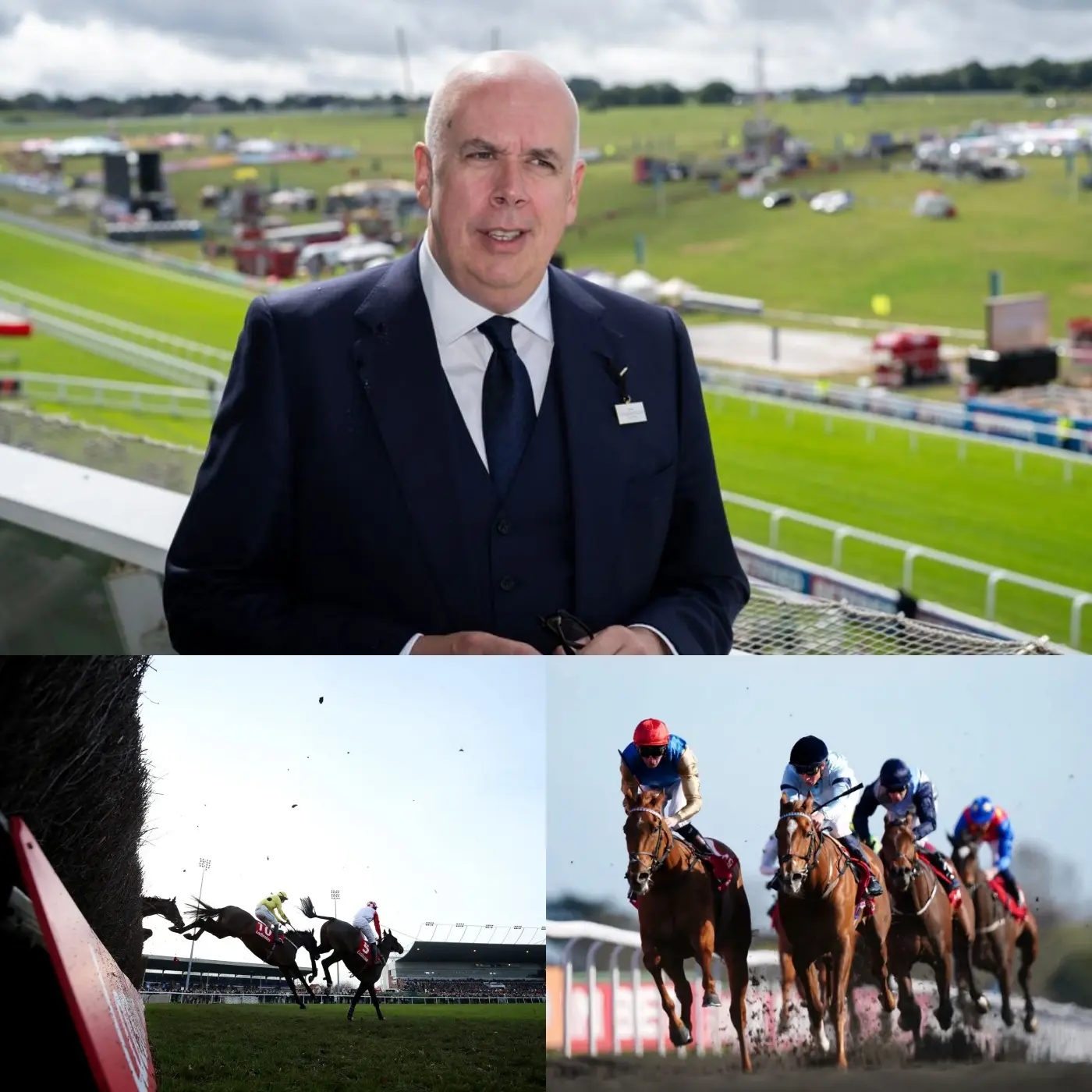
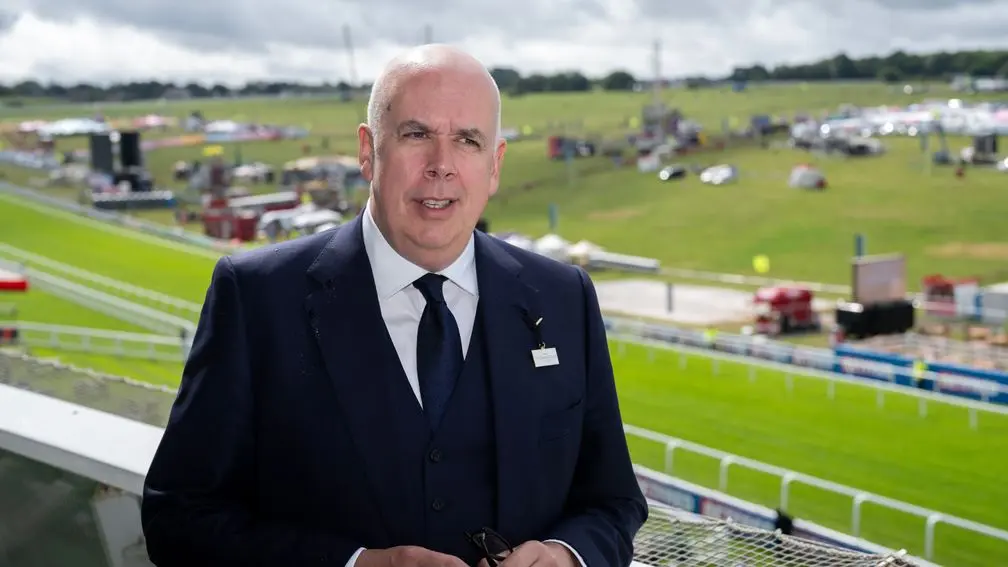
The future of Kempton Park Racecourse, home to the iconic Ladbrokes King George VI Chase, has once again been thrust into the spotlight following candid remarks from Jockey Club chief executive Jim Mullen.
In a recent interview, Mullen described the track’s destiny as “out of my hands,” revealing that a long-standing option agreement with housing developer Redrow, negotiated back in 2018, still gives the company the right to pursue development on the site.
This admission has reignited fears that one of British horse racing’s most cherished venues could face closure or significant redevelopment, casting a shadow over the upcoming Boxing Day spectacle on December 26, 2025.
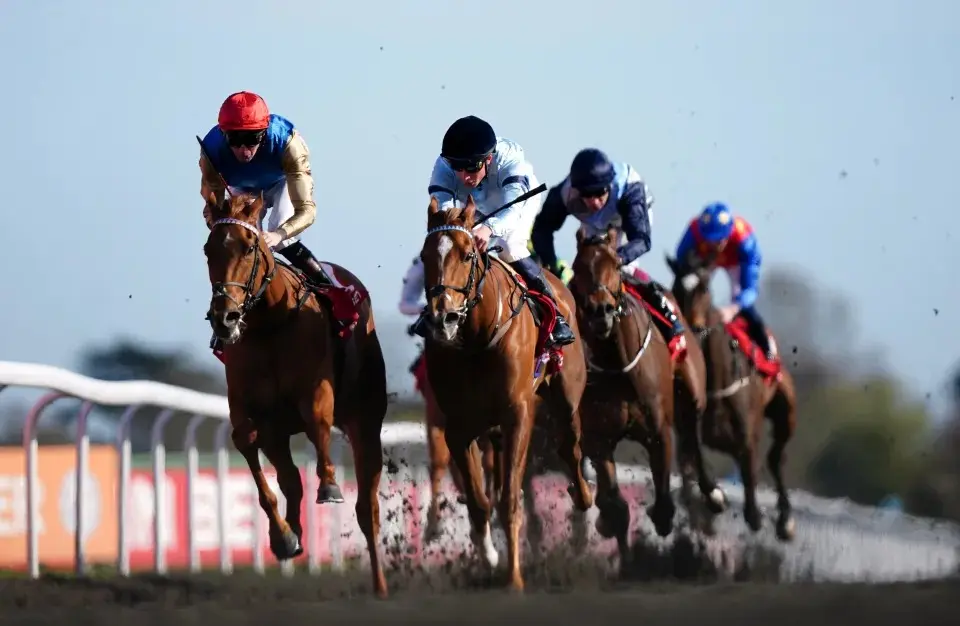
Kempton Park, located in Sunbury-on-Thames, Surrey, has been a cornerstone of National Hunt racing since its opening in 1878.
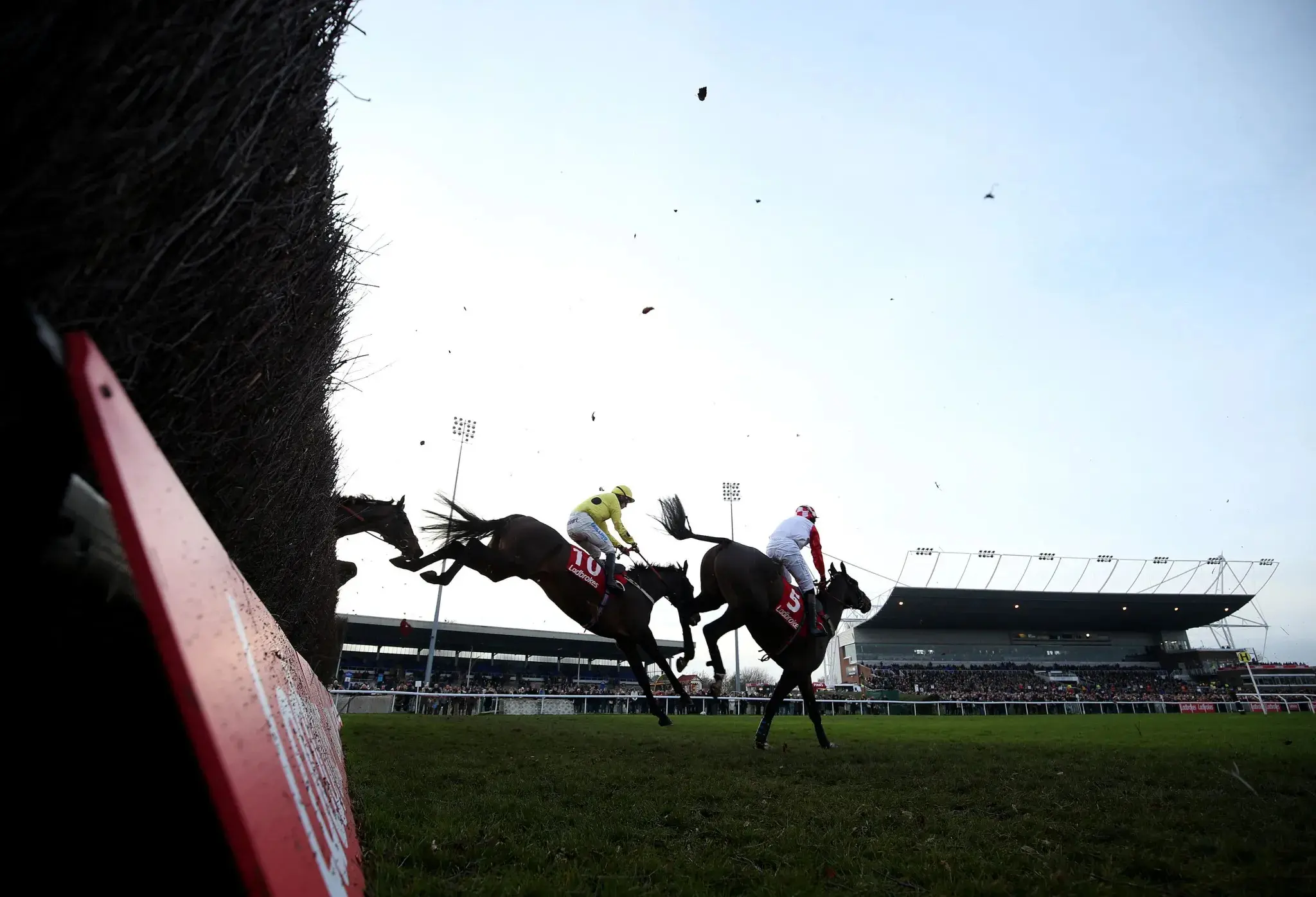
Its flat, right-handed track is renowned for favoring speed and accurate jumping, making it the perfect stage for the King George VI Chase, a Grade 1 contest over three miles that has been run annually since 1937 (with interruptions during World War II).
Legends such as Arkle, Desert Orchid, Kauto Star, and more recently Banbridge in 2024 have etched their names into history here. The race, often dubbed the mid-season championship for staying chasers, draws massive crowds and television audiences, contributing significantly to the sport’s festive appeal.
The current uncertainty traces its roots to 2017, when the Jockey Club first announced ambitious plans to close Kempton and redevelop the 230-acre site for up to 3,000 homes in partnership with Redrow.
The proceeds, estimated to exceed £100 million, were intended to fund a £500 million investment program across British racing, including the construction of a new floodlit all-weather track in Newmarket—the headquarters of Flat racing—and enhancements at Sandown Park, where the King George would potentially relocate.
The proposal also aimed to bolster prize money and support equine welfare initiatives.
That initial announcement provoked widespread backlash from trainers, jockeys, owners, and local residents. Prominent figures like Nicky Henderson described the potential loss as something that “scares me to death,” emphasizing Kempton’s unique role in preparing horses for major spring targets like the Cheltenham Gold Cup.
Others argued that relocating the King George to Sandown or elsewhere would diminish its prestige, as Kempton’s sharp track and festive atmosphere are integral to its identity.
Local opposition focused on the site’s green belt status, with assessments confirming it as “strongly performing” land that serves important environmental and recreational purposes.
By 2020, facing sustained resistance and the onset of the Covid-19 pandemic, the Jockey Club scaled back its ambitions. A revised plan proposed limited development—up to 550 homes on previously developed areas like the car park—allowing racing to continue indefinitely.
This appeared to secure Kempton’s future, with the all-weather program generating substantial media rights revenue, reportedly making it the third-most profitable course in the Jockey Club’s portfolio of 15 venues.
However, Mullen’s recent comments have revived concerns. Appointed in June 2025 after a successful career at Ladbrokes Coral and Reach plc, Mullen was discussing the organization’s plans for “tens of millions” in investments, starting with Aintree and Cheltenham.
In passing, he noted the enduring 2018 option agreement with Redrow, which extends at least until 2028.
While he stressed that no “concrete plans or agreements” for development have emerged since his arrival, the revelation—combined with the UK government’s Planning and Infrastructure Bill easing restrictions on green belt building—has fueled speculation that Redrow could soon exercise its rights.
Trainers have been quick to voice dismay.
Paul Nicholls, the most successful handler in King George history, pledged support for any campaign to preserve the track, while Alan King called potential closure “a disgrace.” Nicky Henderson and others have highlighted Kempton’s proximity to training centers like Lambourn and its balanced test for jumpers, contrasting it with more stamina-sapping courses.
The secrecy surrounding the 2018 option, kept quiet for seven years, has drawn criticism, with some accusing the Jockey Club of feudal-like governance despite its royal charter obligation to act for the “long-term good of British racing.”
Defenders, including former Jockey Club Racecourses chief Paul Fisher, argue the agreement was made in racing’s best interests to secure funding for essential upgrades across the portfolio.
Redrow has confirmed it is reviewing the site’s potential to address Surrey’s housing needs, though no planning applications have been submitted in over 20 years.
Spelthorne Borough Council maintains its opposition to major development, and Kempton’s general manager Simon Durrant has reassured racegoers that “nothing is certain or imminent,” with ticket sales for the 2025 Ladbrokes Christmas Festival outperforming last year’s.
As the 2025 King George approaches, entries include top Irish challengers like Gaelic Warrior, Fact To File, and Grangeclare West from Willie Mullins’ stable, alongside British hopes such as The Jukebox Man and Djelo. A strong field promises thrilling action, but the undercurrent of uncertainty adds poignancy.
Many fear this could be one of the last renewals at the historic venue if Redrow moves forward.
The saga underscores broader tensions in British racing: balancing commercial pressures with heritage preservation. The Jockey Club, as the sport’s largest operator and a non-profit reinvesting all profits, faces ongoing challenges in funding growth without asset sales.
Yet losing Kempton would deprive the calendar of a unique fixture, potentially shifting power further toward Flat racing and Newmarket-centric initiatives.
For now, attention turns to Boxing Day, where thousands will flock to Kempton hoping to celebrate another chapter in its storied legacy. Whether the King George VI Chase remains there long-term remains beyond Mullen’s—or perhaps anyone’s—full control.
The coming months, influenced by government policy and Redrow’s decisions, will determine if this iconic circuit endures or succumbs to the pressures of modern development.