‘They couldn’t keep me in a coma’ Brave jockey Clifford Lee is planning a return to the racetrack despite suffering a four-point fracture of the spine just two months prior, and the jockey’s miraculous recovery from injuries ‘could have cost someone else their life’.
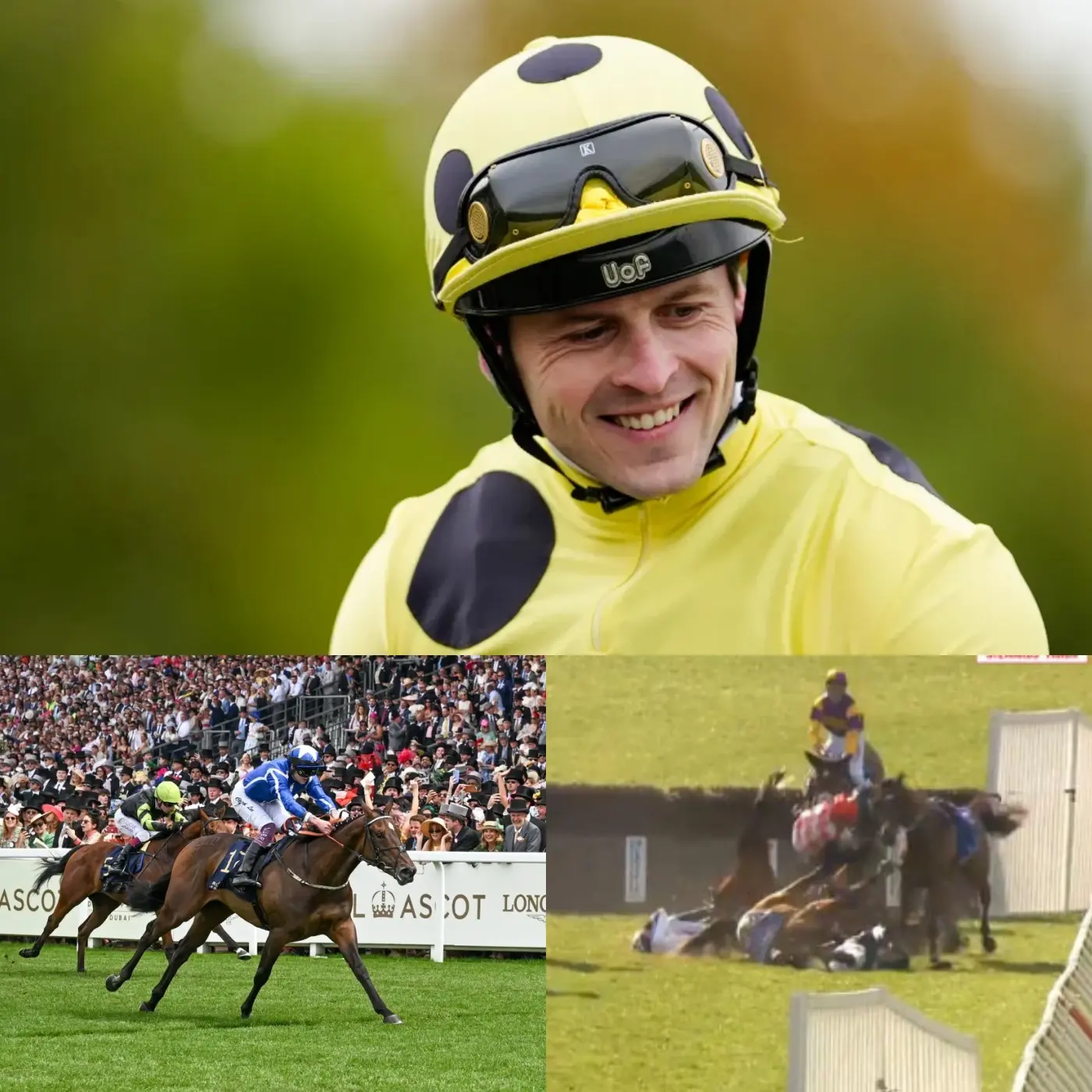
In a remarkable display of resilience, British flat racing jockey Clifford Lee is eyeing a comeback to the saddle as early as February or March 2026, barely months after a devastating motorbike accident that left him with a severe neck injury.
The 29-year-old, who serves as stable jockey for trainer Karl Burke, suffered a four-point fracture to his C1 vertebra—the top bone in the spine—along with a blood clot at the back of his neck during a family holiday in Scotland in late October 2025.
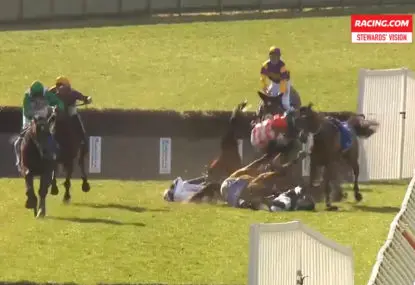
Lee, speaking publicly for the first time since the incident in a recent interview with the Racing Post, described the terrifying moment when his cross-country motorbike flipped over on a dirt track, causing him to land head-first despite traveling at low speed.
“I’m not one to say ‘I need to go to hospital’, but as soon as I’d done it I took my helmet off and said to my brother to call an ambulance,” he recalled.
The impact was so severe that doctors placed him in an induced coma to manage the trauma, but Lee’s extraordinary physical condition defied medical efforts to keep him sedated.
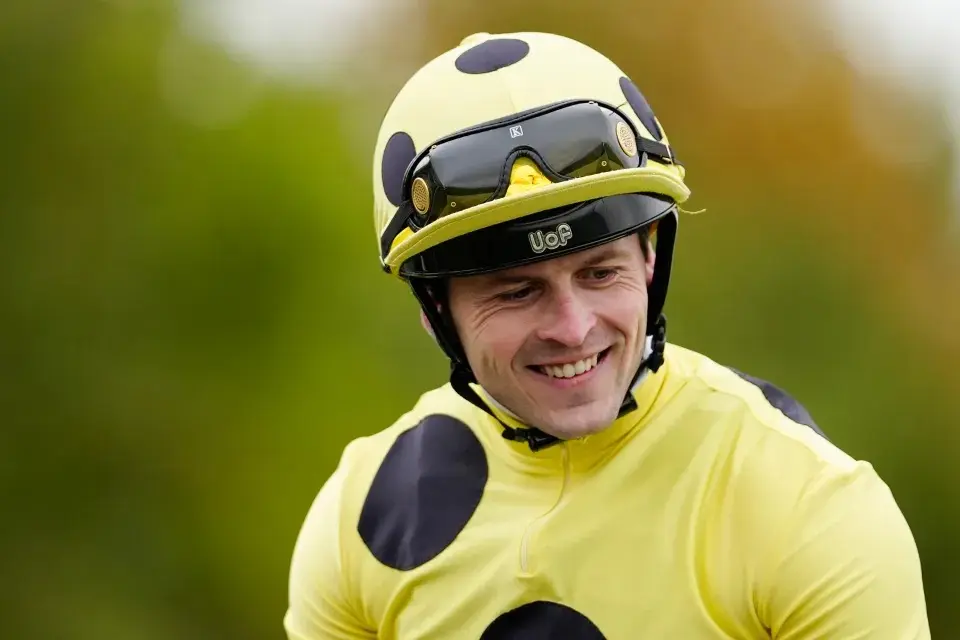
“I kept trying to wake up, they couldn’t give me drugs strong enough to keep me asleep—my body was that strong, they couldn’t keep me in a coma,” Lee said, highlighting the jockey’s renowned fitness honed from years in one of the most demanding sports.
This unyielding strength, built from rigorous training and a career riding at lightweight, played a pivotal role in his survival and early recovery. Doctors later told him he was “very fortunate,” noting that the same injuries “could have cost someone else their life” or left them with permanent paralysis.
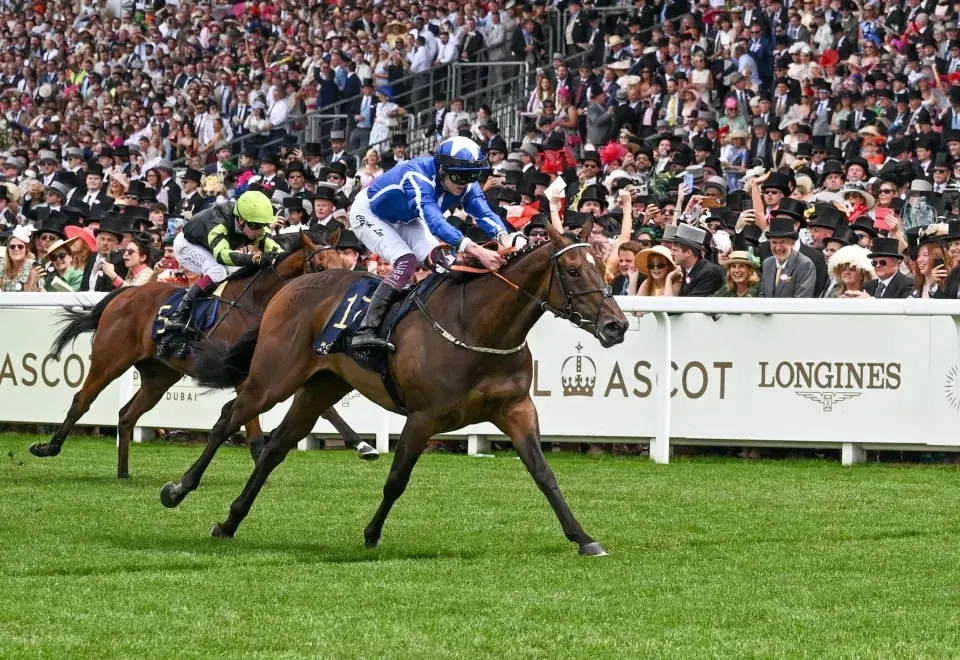
The accident occurred at a particularly triumphant time in Lee’s career. The 2025 season had been his breakthrough year, marked by his first Group 1 victory aboard the juvenile filly Venetian Sun in the prestigious Prix Morny at Deauville in August.
Riding primarily for Burke’s thriving Middleham yard in North Yorkshire, Lee amassed 96 winners in Britain alone, nearing his first century, with prize money exceeding £2.3 million.
Highlights included back-to-back Cambridgeshire Handicap triumphs in previous years on Burke-trained horses like Boiling Point and Liberty Lane, as well as notable successes on stayers such as Al Qareem and recent Group 2 wins.
Born in 1996 in Kent to non-racing parents—a cleaner and a handyman—Lee’s path to the top was unconventional. He attended the British Racing School in Newmarket and initially struggled to make his mark, but his move north to join Burke nearly a decade ago transformed his fortunes.
Known for his impeccable judgment of pace and cool demeanor under pressure, Lee has become one of Britain’s leading flat jockeys, often punching above his weight in major handicaps and group races.
The immediate aftermath of the accident was harrowing. Rushed to a hospital in Edinburgh, Lee faced complications including nerve damage that temporarily robbed him of the ability to speak, eat, or drink properly.
“If you’d asked to speak to me three or four weeks ago, I wouldn’t have been able to because I couldn’t talk,” he admitted. Surgery was required to pin the fractures, and he was fitted with a halo brace—a metal frame screwed into the skull—to stabilize his neck during healing.
Yet, Lee’s recovery has astonished medical staff and the racing community alike. By mid-December 2025, just two months post-accident, he was out of the hospital, progressing well with rehabilitation, and expressing optimism about returning to action.
“I’ve been very fortunate,” he reflected, acknowledging the gravity of a C1 fracture, which sits at the base of the skull and supports the head.
Injuries at this level can lead to catastrophic outcomes, as seen in other high-profile jockey cases, but Lee’s robust physique and determination appear to have tipped the scales in his favor.
Trainer Karl Burke, who has relied heavily on Lee for his yard’s successes, has been a pillar of support throughout. Early updates from Burke described the jockey as being in “good spirits” during his hospital stay, and the racing world rallied with messages of encouragement.
Fans and fellow riders flooded social media with well-wishes, praising Lee’s talent and tenacity.
Lee’s story underscores the perilous nature of horse racing, where jockeys routinely risk life and limb, but also the off-track dangers that can derail careers. Motorbike accidents have claimed or altered the lives of several riders in the past, yet Lee’s case stands out for its positive trajectory.
Wearing the halo brace as a constant reminder, he is focused on rebuilding strength and mobility, with a targeted return in early 2026.
This miraculous turnaround not only highlights Lee’s physical and mental fortitude but also serves as an inspiration to the sport.
As he prepares to reclaim his place in the weighing room, the racing fraternity awaits the sight of one of its bravest sons thundering down the track once more, proving that some spirits simply refuse to be broken.