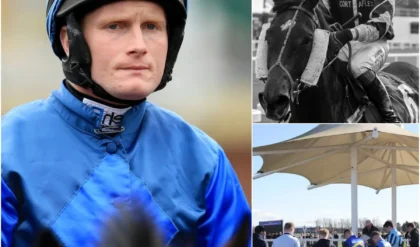
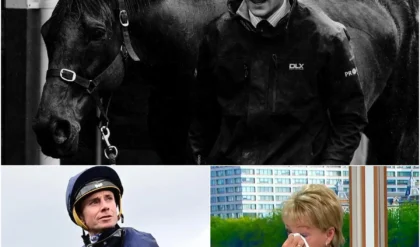
The latest development in this high-profile horse racing controversy dates back to late August 2025, when the Ohio stewards at Belterra Park issued a one-year suspension to jockey Albin Jimenez. As of January 2026, there have been no major reported updates reversing or altering the ban significantly; Jimenez appealed the decision in early September 2025 through the Ohio State Racing Commission, but no final resolution on the appeal has been publicly detailed in recent sources. The suspension stemmed from his ride in the second race at Belterra on August 21, 2025, and began shortly thereafter.
Public outrage from bettors, often referred to as “pick” players or punters in racing circles, centered on claims that Jimenez’s handling of the odds-on favorite was deliberately poor to benefit his girlfriend, who rode the winning horse in the same event.
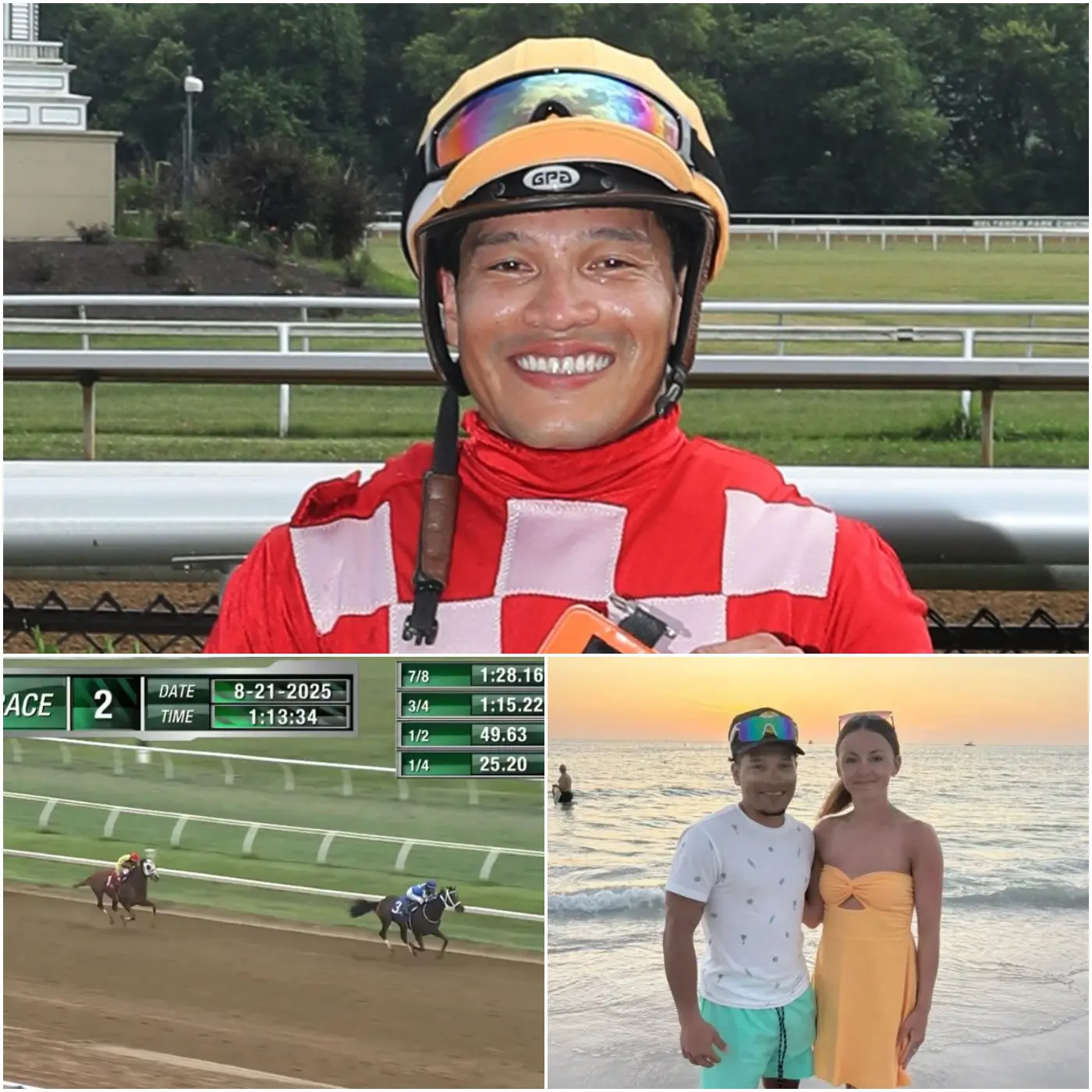
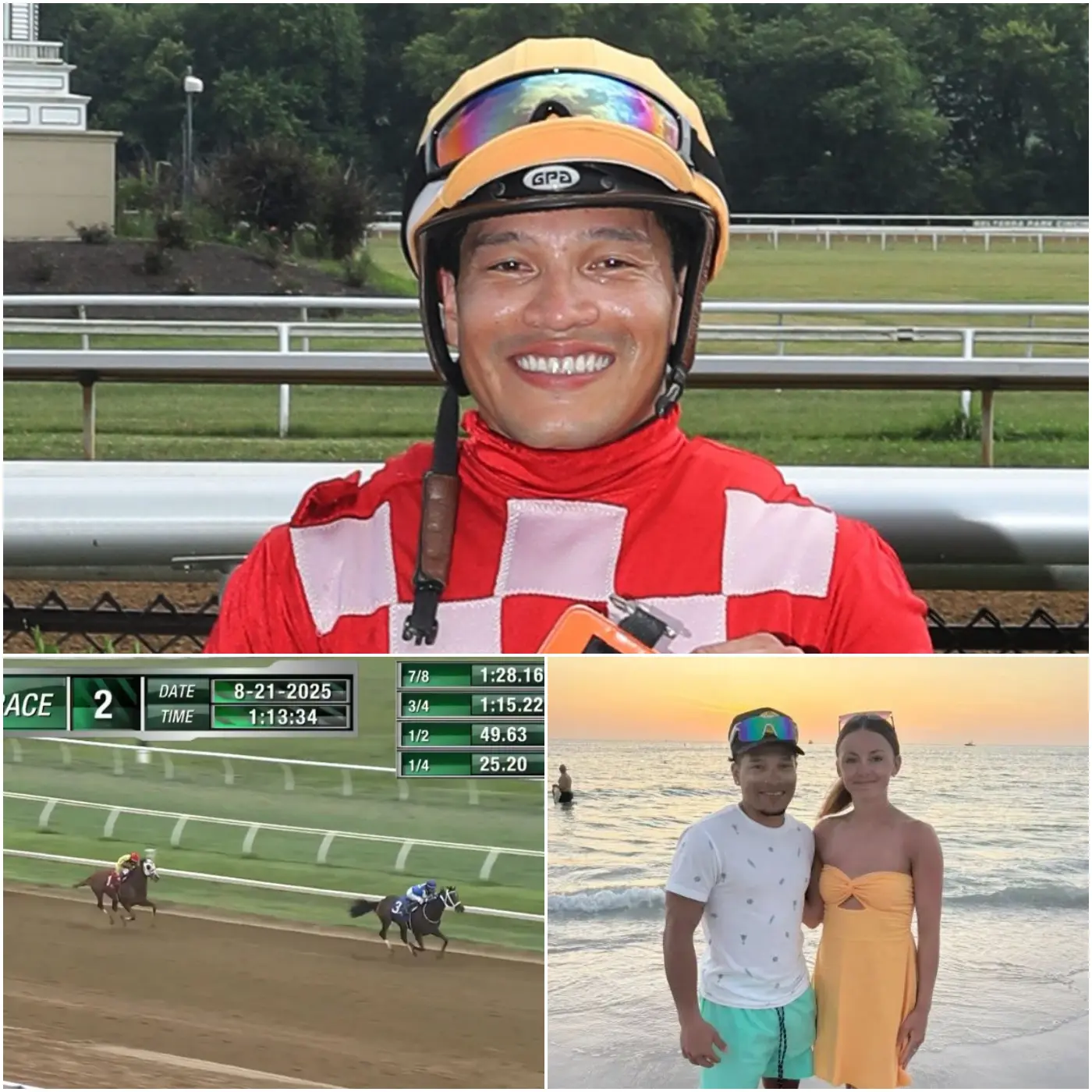
WHAT A SCANDAL! Jockey Albin Jimenez has been unexpectedly banned from racing for a year after “PICK” players claimed his “suspicious” horse “helped his girlfriend win” a race, leaving thousands of players angry about the move
In the tightly knit world of American thoroughbred racing, few incidents have ignited as much fury among bettors as the one involving jockey Albin Jimenez at Belterra Park in Cincinnati, Ohio. What began as a routine weekday card on August 21, 2025, quickly escalated into a full-blown scandal that has left thousands of players seething and questioning the integrity of the sport they love.
The controversy erupted in race two, a modest claiming event where Afleet Vintage, trained by prominent conditioner Tommy Drury Jr., went off as the heavy 3-5 favorite under Jimenez’s guidance. The horse had shown strong form leading into the race, and expectations were high for a comfortable victory. Instead, Afleet Vintage finished a disappointing second, beaten by the mare ridden by jockey Summer Pauli—reportedly Jimenez’s girlfriend at the time. Bettors who had backed the favorite watched in disbelief as the ride unfolded in ways that many deemed inexplicable for a professional jockey of Jimenez’s experience.
Immediately after the race, Drury, visibly frustrated, contacted the stewards to demand a review of the performance. He described the ride as “extremely disappointing” and questioned why Jimenez had not ridden with the urgency expected on such a short-priced contender. The stewards wasted no time, summoning Jimenez for a meeting the following morning to examine the patrol films and discuss the tactics employed.
After deliberation, the Belterra Park board of stewards issued a stunning one-year suspension, effective from August 29, 2025. The ruling cited that Jimenez had failed to put forth his best effort to win, a violation of racing’s fundamental rules regarding competitive integrity. In a notable clause, the suspension would be reduced to six months if no appeal was filed, but Jimenez chose to challenge the decision. By early September, he had formally appealed to the Ohio State Racing Commission, with his agent indicating potential legal action to contest the severity of the penalty.
What truly amplified the outrage, however, was the narrative that spread rapidly across racing forums, social media, and betting communities. Punters, often calling themselves “pick players” for their focus on multi-race wagers and exotic bets, seized on the personal connection between Jimenez and Pauli. They alleged that the jockey’s ride was suspiciously passive—he failed to press the pace aggressively, allowed the leader to dictate terms too easily, and did not respond with sufficient vigor in the stretch—ultimately clearing the path for his girlfriend’s mount to score the upset win.
Thousands expressed their anger online, with comments flooding racing sites and platforms like Horse Racing Nation and X, accusing Jimenez of prioritizing personal interests over professional duty and costing backers significant money.
The incident drew comparisons to past scandals in the sport, though the specifics here were unique. While some pointed to historical cases where jockeys faced accusations of favoritism or collusion, the direct romantic link added a layer of sensationalism that the tabloid press eagerly amplified. Outlets like The Sun ran headlines emphasizing how punters believed Jimenez had “let his girlfriend win,” fueling a wave of indignation among everyday players who felt betrayed by someone they trusted to ride honestly.
Jimenez, a journeyman rider who had been enjoying a strong meet at Belterra—leading the jockey standings with over 80 wins—found himself at the center of a storm that threatened his career. Supporters argued that the punishment was disproportionately harsh compared to other riding infractions, where lesser bans are common for more blatant interference or careless riding. Critics of the decision highlighted inconsistencies in enforcement, noting that aggressive tactics in other races sometimes result in shorter penalties. Yet the stewards stood firm, emphasizing that failing to ride a horse to its best potential undermines the very foundation of pari-mutuel betting.
For the betting public, the fallout was immediate and emotional. Many claimed losses in exactas, trifectas, and pick multis that hinged on Afleet Vintage winning or hitting the board strongly. Forums buzzed with stories of ruined tickets and eroded trust, with some vowing to boycott races involving certain riders or tracks until greater transparency is assured. The episode served as a stark reminder of how fragile confidence in racing can be when perceptions of impropriety arise, especially in an era where every stride is captured on high-definition cameras and dissected frame by frame.
As the appeal process plays out, the racing community remains divided. Some see the suspension as a necessary stand against any hint of conflict of interest, while others view it as an overreaction to a ride that, though suboptimal, may not have crossed into deliberate malfeasance. Jimenez’s future hangs in the balance, with the potential for a reduced ban or even reinstatement if the commission rules in his favor. In the meantime, the scandal continues to resonate, a cautionary tale about the intersection of personal relationships, professional responsibility, and the high stakes of wagering on the track.
The broader implications for horse racing are clear: stewards must balance swift justice with due process, while the industry grapples with maintaining public faith amid growing scrutiny from an empowered betting audience. For now, Albin Jimenez sits sidelined, the echoes of that August afternoon at Belterra still ringing loudly in the ears of thousands who feel they were wronged.