Football is a sport that demands everything from its players — strength, speed, and an unwavering commitment to the game. For many, the passion for the sport becomes all-consuming, and the idea of walking away can seem almost impossible.
But for some, the hardest decision isn’t when to step onto the field; it’s when to step away for good. Dan Skipper, an offensive lineman for the Detroit Lions, faced that very reality after a Week 18 win that left him with a bittersweet feeling: was this his last game?
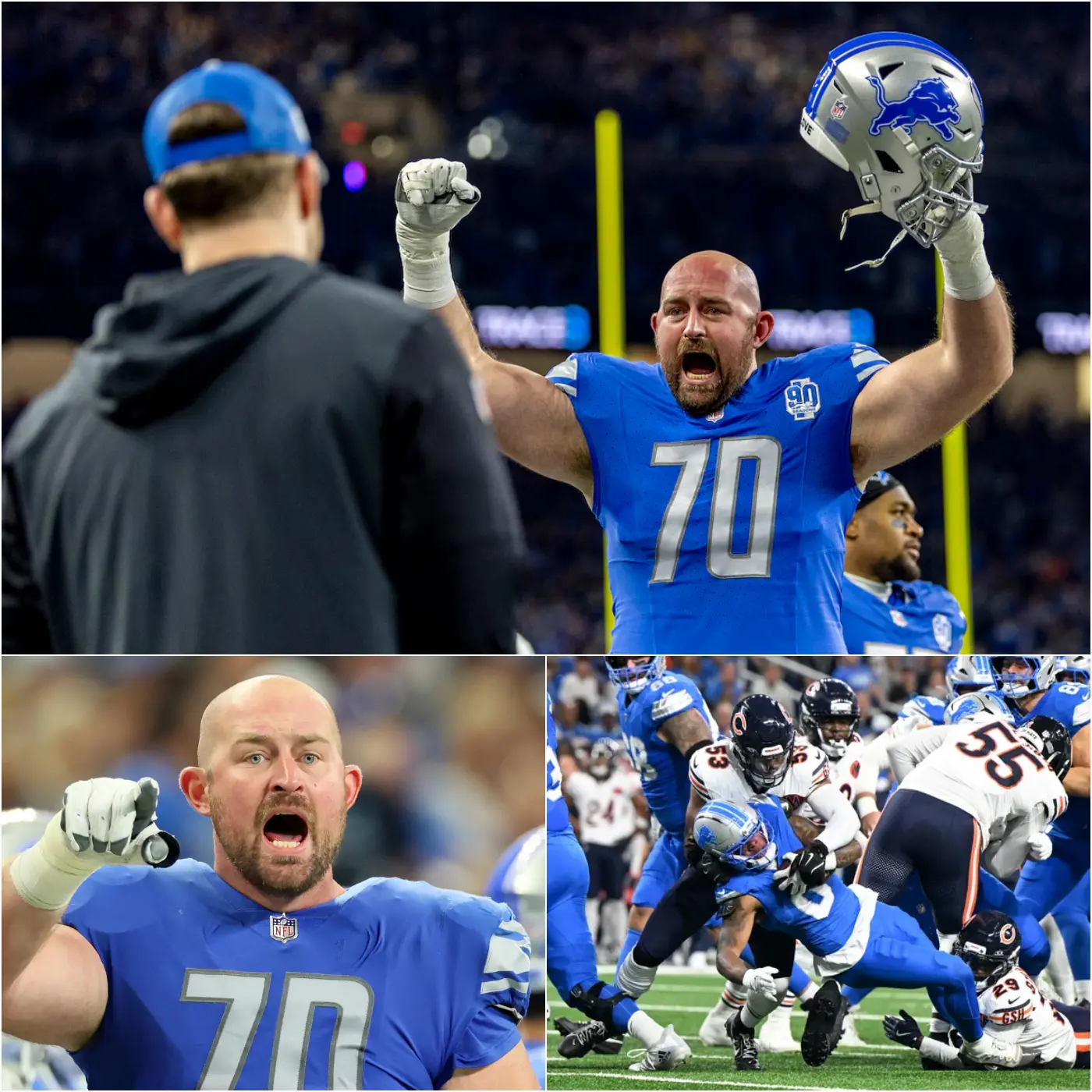
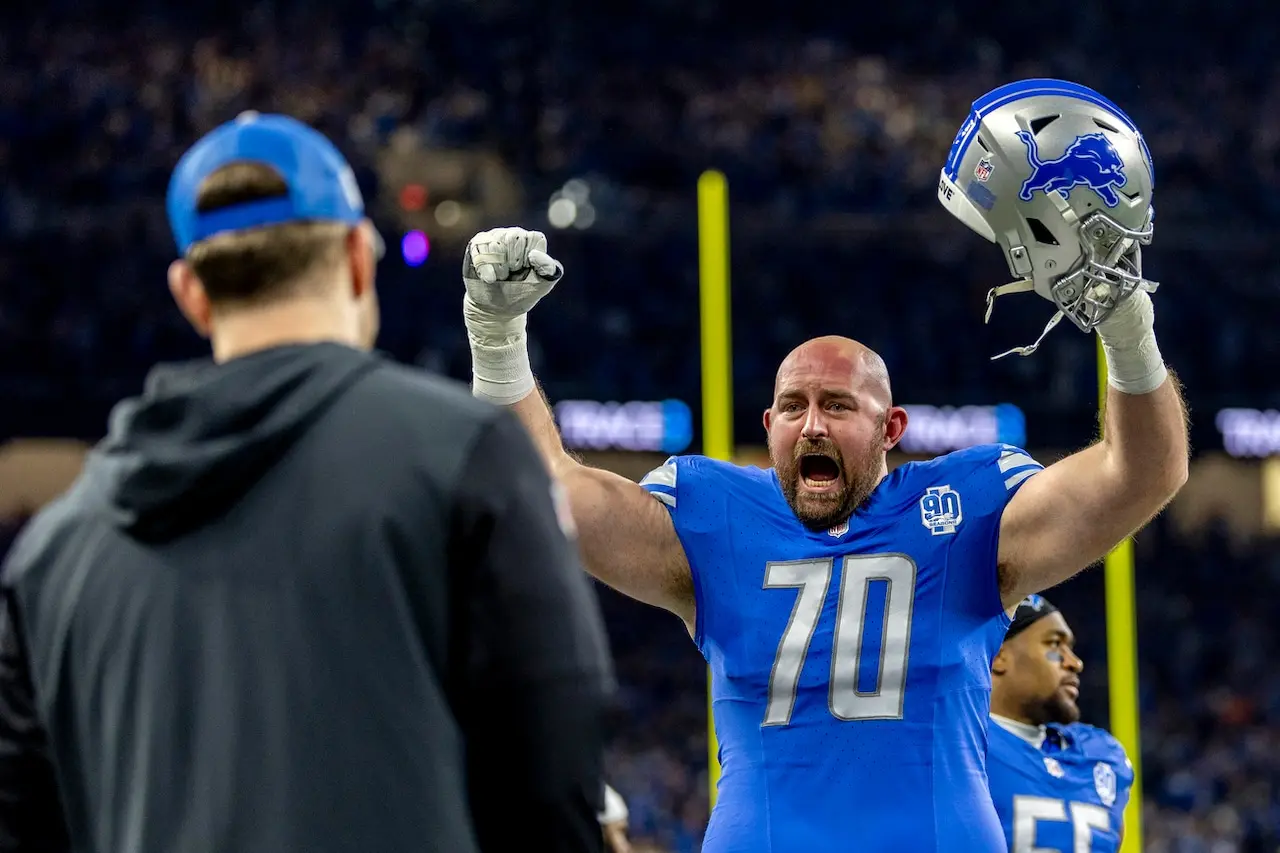
Standing on the field after the final whistle, his eyes red and voice heavy with emotion, Skipper admitted what many had feared — the pain that had plagued his body for years might finally be too much to overcome.
The victory wasn’t celebrated as much for its significance in the standings but rather because it might have been the last time Skipper ever stepped onto that field.
“I think this might be the last one,” Skipper said, his voice shaking with the weight of his words. It wasn’t a formal announcement, but it sure felt like one.
The offensive lineman, who had fought through chronic back pain and looming surgeries, was acknowledging something that few players are willing to admit — the body can only take so much.
The Price of a Football Career
Skipper’s confession brought the harsh reality of football’s physical toll to the forefront. The sport requires its players to push through injury after injury, often playing with pain and discomfort that most people could never imagine.
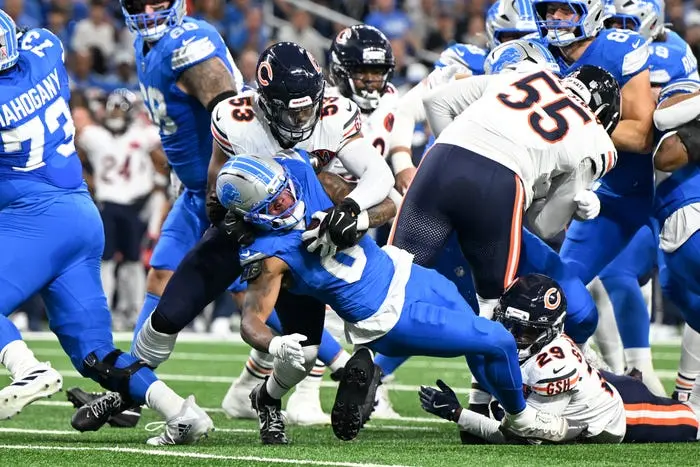
For a lineman like Skipper, every snap on the field involves heavy collisions, high-impact hits, and the constant pressure of defending the quarterback or creating openings for the running back. Over time, the body can only handle so much before it starts to break down.
In Skipper’s case, it was chronic back pain that had been wearing him down for years. He had pushed through it, week after week, refusing to quit.
But as his body failed to bounce back the way it once did, the reality of needing surgery — and possibly having to step away from the game — became harder to ignore.
“It’s been tough,” Skipper admitted. “Some weeks, I couldn’t move, and I just kept going. But eventually, your body tells you when it’s time. And I think mine’s finally telling me that.”
The physical sacrifices made by football players are often hidden behind the glitz and glamor of the game. Fans see the touchdowns, the game-winning plays, and the dramatic comebacks, but they rarely see the pain, the bruises, and the injuries that linger long after the final whistle.
Skipper’s honesty about his struggles gives fans a glimpse into the personal battles athletes face, even as they perform in front of millions.
Detroit: A Home Away From Home
Despite the physical challenges, Skipper spoke fondly of his time with the Detroit Lions, the team he had grown to love. “Detroit feels like home,” he said, referencing the community and the fans that had embraced him since he joined the team.
Skipper, who had spent time on and off the roster throughout his career, had become a fan favorite due to his work ethic, resilience, and dedication to the team.
“It’s not just about playing football,” Skipper explained. “It’s about the people, the city, and how it all feels like family. My kids know the fight song, they’re proud of what I do, and I’m proud of the city I represent.”
For many players, the connection to a team goes beyond the locker room and the field. It’s about the community that rallies around them, and Skipper found that sense of belonging in Detroit. He wasn’t just another player on the roster — he was part of something bigger.
The bonds formed with his teammates, coaches, and the fans made his career meaningful in ways that went beyond the game itself.
Skipper’s mention of his kids knowing the fight song was especially poignant, as it reminded him of the sacrifices he had made for his family. They had watched him grind through injuries, work hard to make the roster, and put everything on the line for the love of the game.
And through it all, they had been there, cheering him on.
The Mental Strain of Football
While the physical toll of football is well-known, the mental strain of the sport is just as significant.
Football players, especially those like Skipper who have spent years fighting for a spot on the roster, constantly deal with the fear of being cut, the pressure to perform, and the uncertainty about their futures.
Skipper’s emotional moment was a reminder that football isn’t just a game of physical strength — it’s a mental battle too.
For Skipper, the fear of not being able to perform at a high level again, combined with the reality of chronic pain, created a situation where he had to seriously consider his future.
It’s a position that no player wants to be in, but it’s one that every athlete faces at some point. At some stage, the game will no longer be sustainable.
“It’s hard,” Skipper said. “The hardest part isn’t getting cut, it’s knowing when your body is telling you it’s time. And I think that’s where I am.”
A Legacy of Perseverance
Though Skipper didn’t make an official announcement about his retirement, his words were a powerful reminder of the sacrifices that athletes make to play the sport they love.
Skipper’s career, while not filled with the fanfare of some of his teammates, was built on grit, determination, and a refusal to quit. He had spent years proving himself, overcoming obstacles, and pushing through pain to make it to this point.
As Skipper’s journey with the Lions — and possibly with football — comes to a close, his legacy will be defined by the heart and determination he displayed on and off the field. He didn’t let the pain stop him. He kept fighting, kept working, and kept pushing.
And when the time finally came for him to acknowledge that his body couldn’t take any more, he did so with the same bravery and honesty that had defined his career.