The Philadelphia Eagles are heading into the NFL playoffs as defending Super Bowl champions, but recent weeks have brought intense scrutiny to head coach Nick Sirianni and the team’s internal dynamics.
As the club prepares for a high-stakes Wild Card matchup against the San Francisco 49ers, fresh reports and fan discussions have fueled speculation about potential fractures in the locker room—particularly surrounding leadership decisions, player autonomy, and the delicate balance between discipline and individual rights.
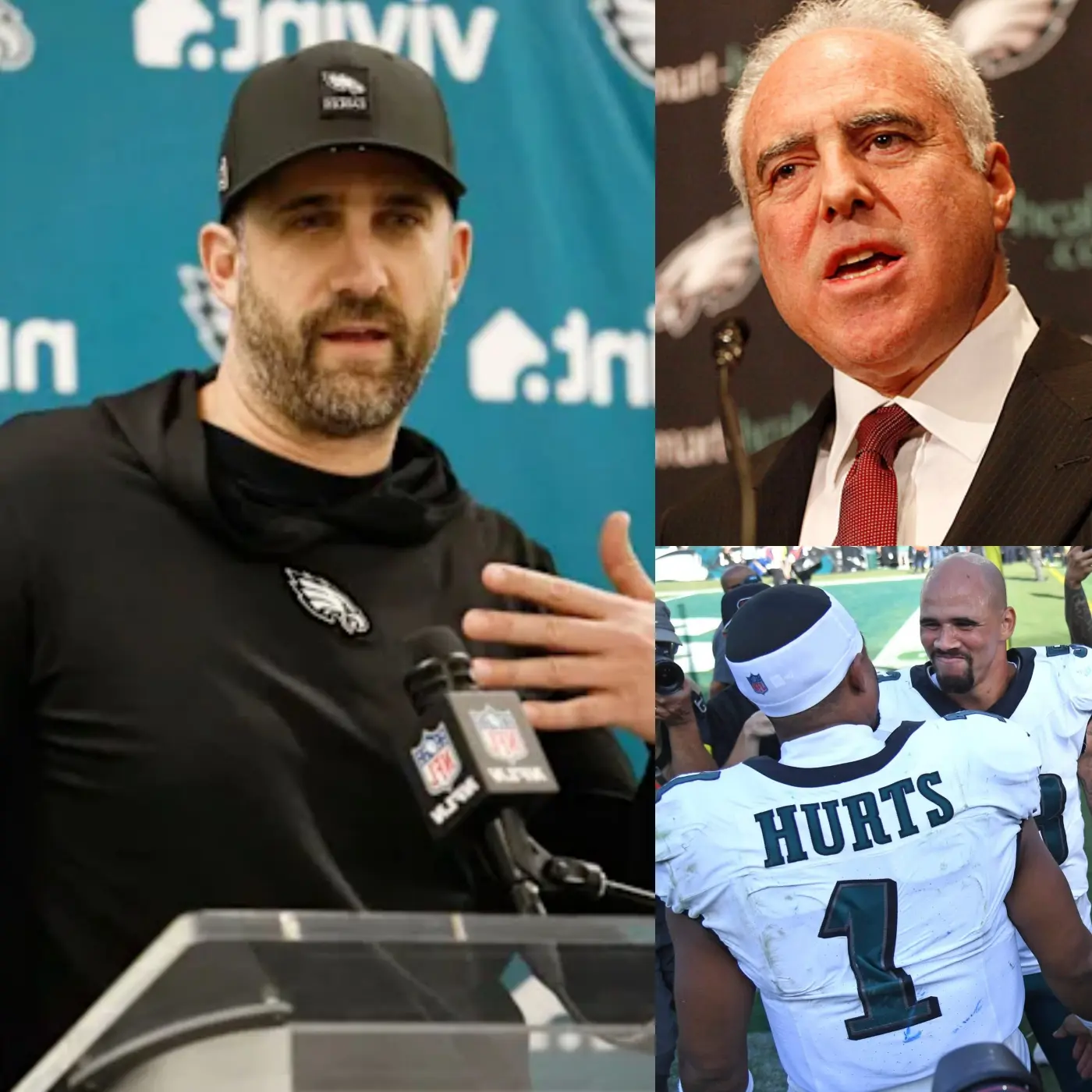
The drama reached a fever pitch following the Eagles’ Week 18 decision to rest key starters, including quarterback Jalen Hurts, running back Saquon Barkley, and several other core contributors, during their regular-season finale against the Washington Commanders.
Philadelphia, sitting at 11-6 and having already clinched the NFC East title, entered the game with a chance to secure the No. 2 seed in the conference if they won and received help from other results.
However, Sirianni prioritized health and recovery over seeding, a move that ultimately backfired when the backups fell 24-17 to the Commanders. The loss dropped the Eagles to the No. 3 seed, meaning they would host the No. 6 seed 49ers instead of enjoying a more favorable path.
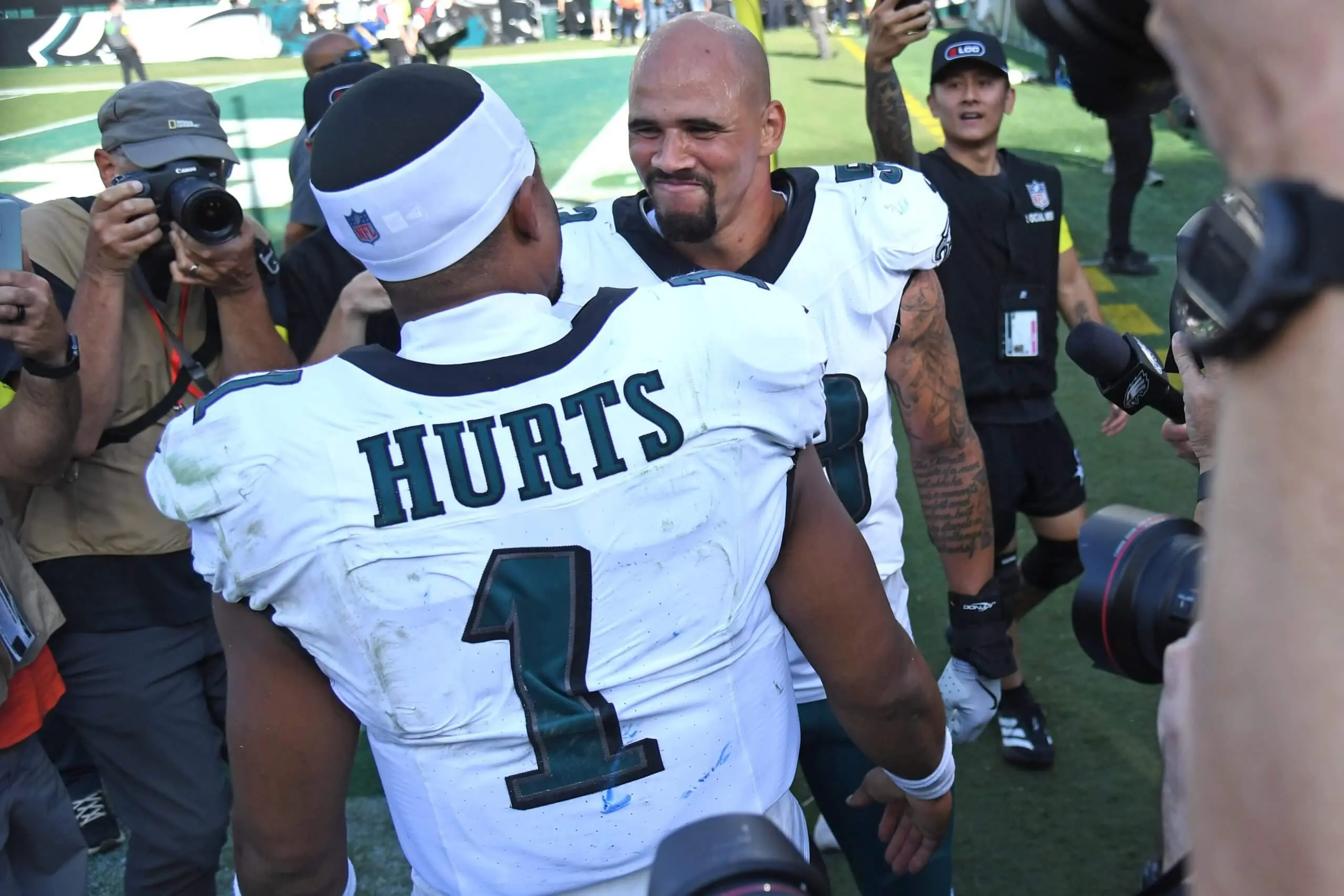
Sirianni defended the choice emphatically in postgame remarks, stating that he could guarantee rest for his players but not the outcome of other games or injury prevention in a high-effort contest. “That’s your job as a head coach, you have to make tough decisions,” he explained.
“One thing I could guarantee was giving them rest. I couldn’t guarantee them anything else.” The decision drew sharp criticism from fans and analysts alike, with some arguing it cost the team home-field advantages deeper into the postseason.
Others praised it as a prudent, player-first approach, especially given the physical toll of a long season on stars like Hurts, who had already logged significant snaps while managing a reduced rushing workload to stay healthy.
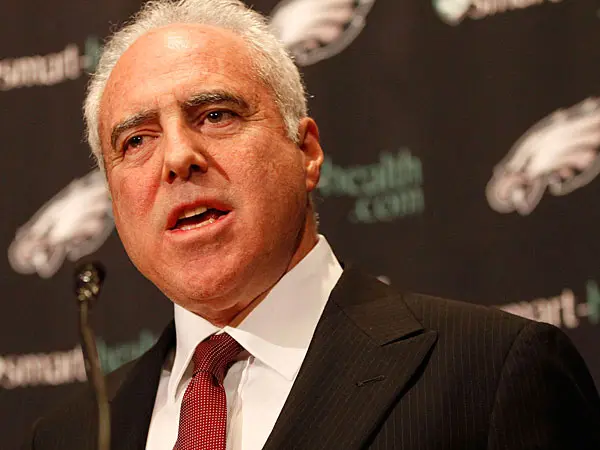
Behind the scenes, the rest strategy highlighted ongoing tensions about how the team manages its roster and enforces structure.
Sirianni, known for his intense, detail-oriented style and emphasis on unity—often summarized in his mantra of “tough, detailed, and together”—has worked to foster an open culture since leading the Eagles to Super Bowl victory in February 2025.
Players have spoken positively about the trust built through open communication, with veterans like Lane Johnson and newer additions highlighting an “open-door” environment.
Yet, the push for rest sparked debate over whether management-imposed rules on playing time, preparation, and availability cross into overly restrictive territory, potentially clashing with players’ desires for input on their own bodies and careers.
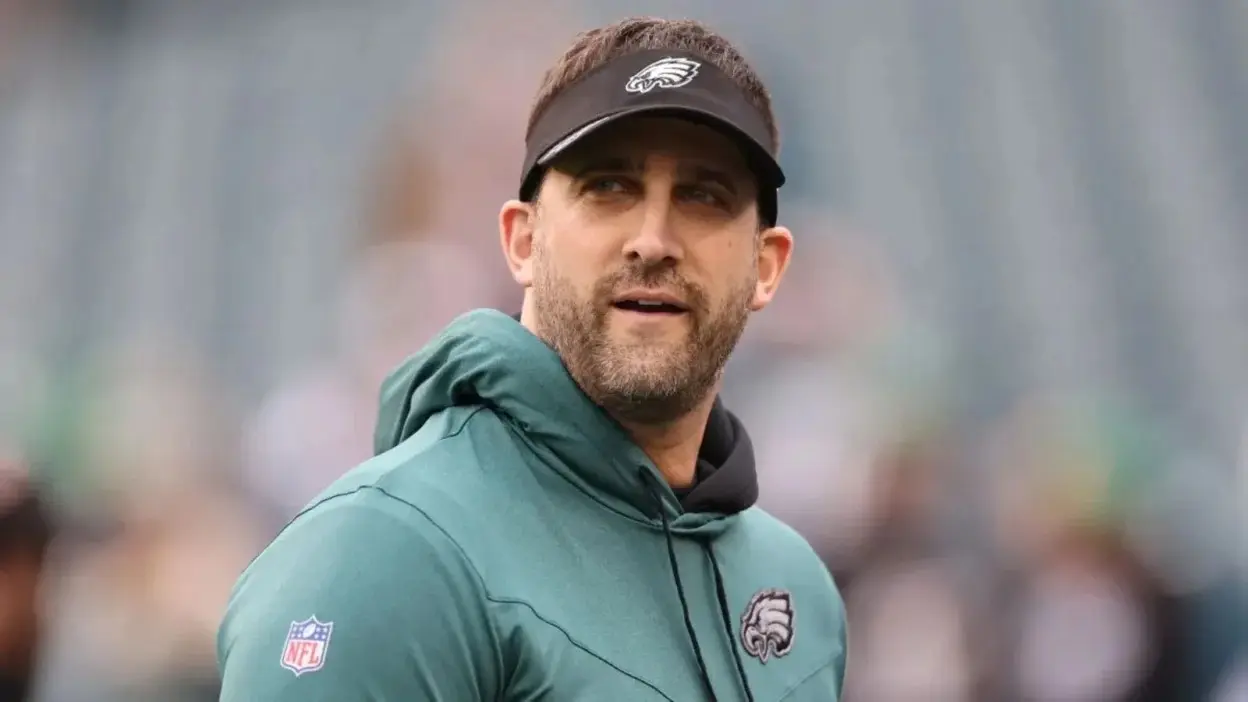
Amid this backdrop, rumors circulated about a heated confrontation involving a key superstar who reportedly pushed back against what some described as “unreasonable” directives from the front office and coaching staff.
Sources close to the situation suggested that one prominent player, frustrated by perceived overreach in locker room policies—possibly related to mandatory participation, injury protocols, or broader team governance—made it clear that any departure of a valued teammate could trigger his own exit.
The sentiment, paraphrased in heated discussions as a declaration that losing a certain figure would mean losing the “soul” of the team, reportedly left Sirianni deeply shaken.
According to whispers that gained traction online and in media circles, the coach pleaded for unity and warned of the consequences, but the player stood firm, ignoring urgent appeals from both Sirianni and higher-ups.
While the exact identity of this “rebel” has been the subject of intense speculation, the focus has centered on quarterback Jalen Hurts, the franchise cornerstone whose leadership and performance define Philadelphia’s identity.
Hurts has been central to the Eagles’ success, posting strong numbers in 2025 with over 3,200 passing yards, 25 touchdowns, and a solid passer rating despite a deliberate scaling back of his rushing attempts to preserve longevity.
His reserved demeanor contrasts with Sirianni’s more direct approach, leading some observers to note potential philosophical differences on game planning, play-calling, and team direction. Past reports from previous seasons had already pointed to moments of disconnect between the two, though both have publicly emphasized collaboration and mutual respect.
The team president and front office, led by figures like Howie Roseman, have been accused in fan narratives of implementing policies that prioritize organizational control over player empowerment.
These alleged “crazy rules” might involve stricter guidelines on practice participation, media obligations, or even personal conduct in the locker room—areas where modern NFL players increasingly demand agency amid growing conversations about mental health, workload management, and rights.
No official statements have confirmed outright chaos or rebellion, but the whispers underscore the pressure of defending a championship while navigating a talented but opinionated roster.
Despite the noise, the Eagles remain a formidable unit entering the playoffs. Sirianni has repeatedly stressed positivity and focus, reminding everyone that external distractions cannot overshadow the talent and preparation in the building.
Players have echoed this, with defensive stalwarts and offensive leaders rallying around the shared goal of repeating as champions. The upcoming clash with the 49ers—a rematch of past intense battles—will test whether these internal dynamics strengthen or fracture under playoff pressure.
As Philadelphia gears up for what could be another deep run, the real story may lie not in sensational ultimatums but in how Sirianni and his stars bridge any gaps. The soul of the team, as many believe, rests on its ability to stay united when the stakes are highest.
With the season still alive and the Lombardi Trophy within reach, the Eagles have every incentive to prove that their bond—forged through wins, challenges, and now controversy—remains unbreakable.