Love, Spotlight, and Boundaries: How Athletes Navigate Relationships in the Public Eye
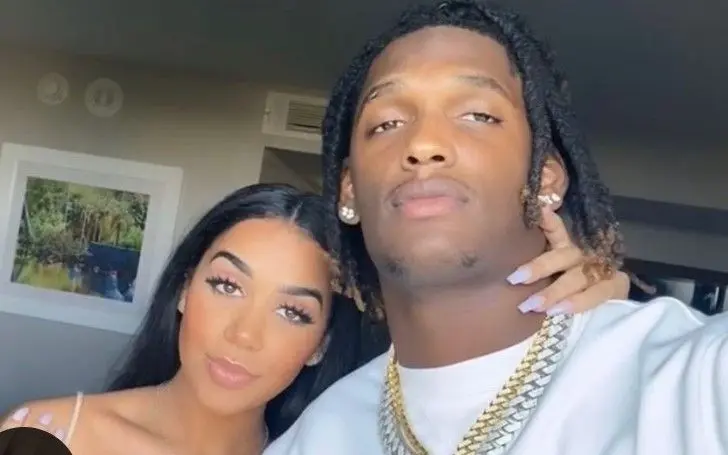
In today’s sports culture, the private lives of athletes no longer stay private for long. Stadium lights fade, but social media lights rarely do. Cameras follow players not only across the field but across milestones of their personal lives: relationships, family plans, celebrations, heartbreaks, and rumors.

The romantic lives of star athletes have become part of the entertainment ecosystem. Yet beneath the headlines and hashtags lie real people who must balance love, identity, and privacy in a world that rarely looks away.
For many professional athletes, relationships begin like anyone else’s — through shared interests, mutual friends, or chance encounters. What changes is not the feeling but the context. As soon as the public recognizes the couple, their story becomes a talking point.
Fans express joy, curiosity, or speculation; blogs analyze every photo; strangers feel entitled to judge decisions that belong only to two people. Love that should be intimate can suddenly feel like a public event.
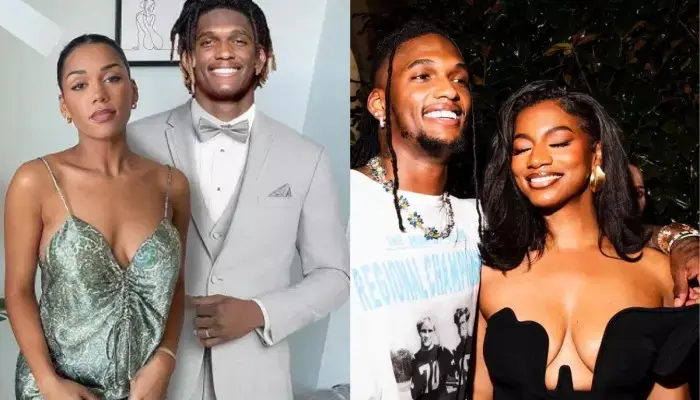
This attention intensifies when both partners are public figures. Journalists, broadcasters, and media personalities live in parallel visibility to elite athletes. When two highly recognizable professions cross, their relationship becomes doubly symbolized: not just a partnership, but a narrative. Interviews turn into glimpses of private life.
A simple caption or gesture can trigger waves of interpretation — often affectionate, sometimes intrusive.
There is a romantic charm in seeing well-known people in genuine moments of happiness. Fans often feel emotionally connected to athletes who bring them joy through sport, and they naturally extend that affection to the player’s personal milestones.
Supportive messages after engagements, anniversaries, or family news reveal the human instinct to celebrate love. Sports communities can act like extended families, sharing excitement from afar.
But this enthusiasm carries another side: pressure. Rumors about relationships or possible future children circulate at high speed online, sometimes without any confirmation. A single photograph can turn into a story; a private decision becomes public debate.
For couples under the spotlight, decisions about when — or whether — to share personal news require careful thought. Privacy is not secrecy; it is a protective space where life can unfold without constant commentary.
The culture of sports media has evolved rapidly. Traditionally, reporters focused on statistics, injuries, contracts, and tactical analysis. Now coverage also includes lifestyle, fashion, and intimacy. Audiences expect access, and platforms reward emotional content. The result is a blurred line between storytelling and intrusion.
Responsible coverage celebrates joy without speculating; irresponsible coverage tries to fill silences with guesses.
Athletes today must develop skills previous generations rarely needed: communication strategy, boundary setting, crisis management. Many are coached not only in technique but in navigating fame.
They learn how to say “this is personal,” how to share selectively, and how to protect the people they love who did not choose the public spotlight. Often, partners and family members receive the harshest attention precisely because they never asked for it.
Despite these challenges, relationships in the public eye can also be sources of stability. High-level competition is stressful and isolating; a supportive partner offers grounding in a whirlwind life of travel, performance, and scrutiny. Love becomes refuge. Athletes often credit their companions for emotional balance and motivation.
Behind every celebrated victory there are unseen sacrifices: time apart, logistical complexity, and shared resilience.
Social media adds both connection and complication. It allows athletes to communicate directly with fans, bypassing intermediaries. It also invites commentary about moments that were intended only for close circles. A joyful photo may receive thousands of congratulations — alongside speculation or criticism.
The couple becomes both storyteller and subject, controlling some parts of the narrative while losing control of others.
At the heart of this issue stands a basic ethical question: What does the public truly have a right to know? Sporting achievement is unquestionably public. Personal feelings, family plans, and intimate choices are not. Admiration must not become entitlement.
The most respectful fans recognize that even their heroes remain ordinary people in private spaces — partners, sons, daughters, future parents, friends — with the same need for dignity that everyone has.
The healthiest approach from both media and audience is celebration without assumption. When athletes choose to share milestones, it is an invitation to joy — not an opening for speculation. When they stay silent, it is not rejection but self-care.
Boundaries do not diminish connection; they preserve it by ensuring that the parts of life that must remain sacred can stay that way.
Ultimately, the intersection of love and fame tells us something universal. Whether under stadium lights or far from them, relationships grow through patience, respect, trust, and protection. The world may watch the athlete, but only the people within the relationship live the real story.
In an age of constant exposure, choosing what to keep private becomes an act of affection as meaningful as any declaration.
As sports continue to captivate global audiences, the people who play them will continue to seek ordinary happiness inside extraordinary lives. Perhaps the lesson for all of us is simple: cheer loudly for skill and success, and just as loudly for kindness and love — but leave room for privacy.
Behind every jersey number is a human heart, and some journeys are most beautiful when they are allowed to unfold quietly.