The 2025 Lexus Melbourne Cup, Australia’s most iconic horse racing event, delivered a historic triumph when Half Yours, ridden by jockey Jamie Melham, stormed to victory at Flemington Racecourse on November 4. The win marked a milestone for Melham, who became only the second female jockey in history to claim the prestigious $10 million race, following Michelle Payne’s groundbreaking success a decade earlier. However, what should have been pure celebration quickly turned into a storm of controversy, concern, and speculation as images of the winning horse with blood around its mouth circulated widely on social media and television broadcasts.
Half Yours, trained by the father-son team of Tony and Calvin McEvoy, had entered the race as a strong contender after securing the Caulfield Cup earlier in the spring carnival. The Australian-bred gelding justified his billing with a powerful late surge, pulling clear in the final stages to defeat Irish challenger Goodie Two Shoes by three lengths, with Middle Earth rounding out the podium. The victory was a moment of pride for local racing, as Half Yours became the sole Australian representative to triumph in a field dominated by international raiders.
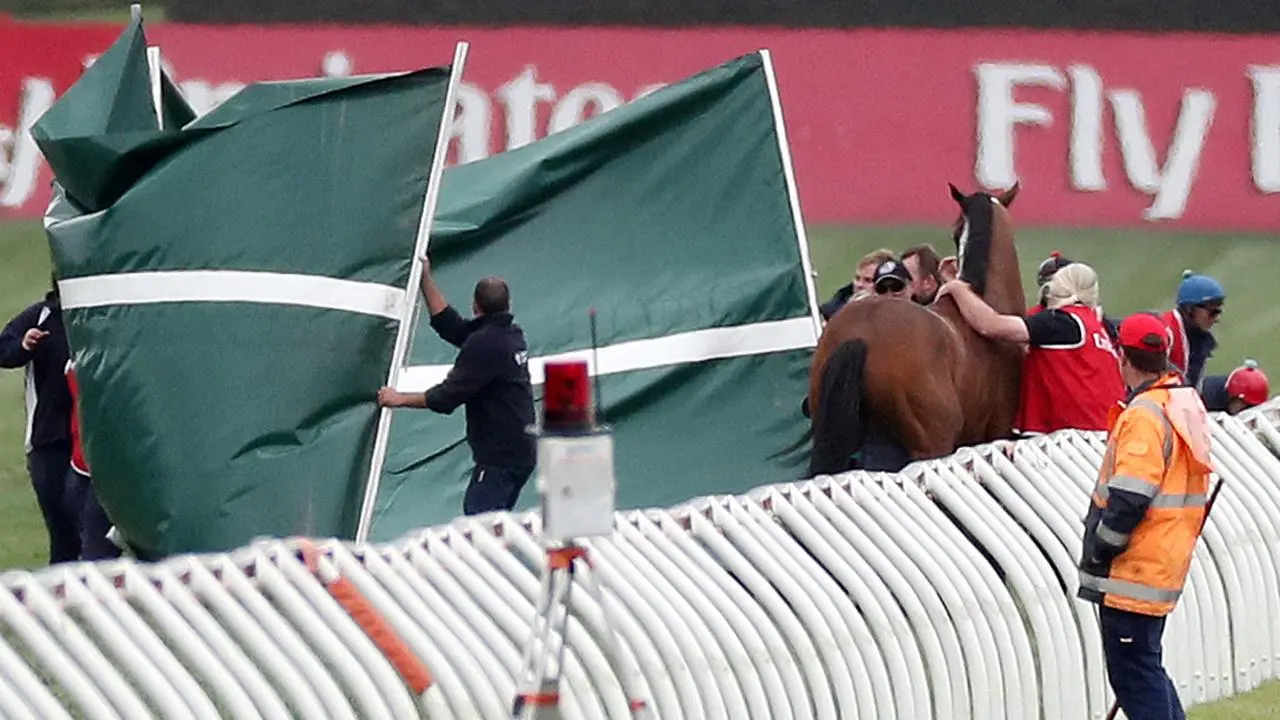
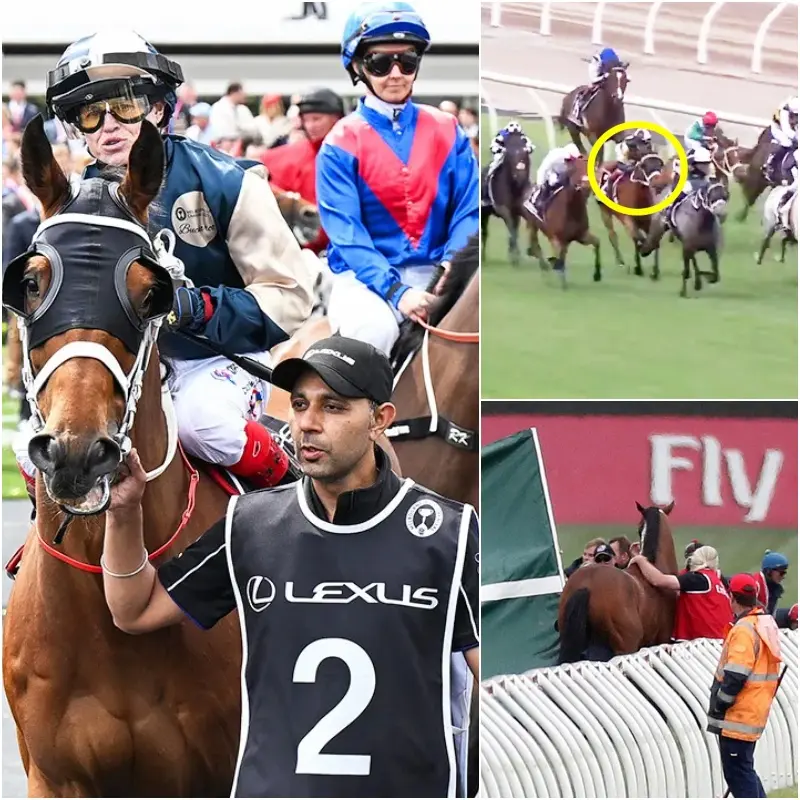
Yet the post-race scenes stole much of the spotlight. As Half Yours returned to scale and posed for photographs alongside Melham, viewers noticed visible blood around the horse’s mouth. Social media erupted almost immediately, with fans expressing alarm and outrage. Some questioned whether the injury stemmed from aggressive riding or equipment issues, while others speculated about deeper problems in the sport’s welfare standards. The image of the bloodied mouth, juxtaposed against the jubilation of victory, created a stark and unsettling contrast that left millions of viewers across Australia and beyond deeply unsettled.
Racing Victoria and the connections of Half Yours moved swiftly to address the growing concerns. A statement released shortly after the race explained that a post-race veterinary examination had revealed a minor laceration to the inside of the horse’s left cheek. Officials described the injury as superficial and unrelated to any serious welfare breach, attributing it to a common occurrence in the heat of competition—possibly the horse biting its tongue or cheek during the intense effort of the 3,200-meter stamina test.
The veterinary team confirmed that no further treatment was required, and the horse was reported to be in good condition afterward.
This official explanation, backed by veterinary professionals, has been presented as “clean” evidence intended to dispel rumors and reassure the public. The prompt release of the findings was seen by organizers as a proactive step, especially given the heightened scrutiny on horse racing in recent years. The Melbourne Cup has faced criticism over animal welfare, with past incidents including equine fatalities prompting stricter veterinary protocols and pre-race inspections. In this context, the transparent handling of the Half Yours situation was viewed by some industry insiders as vindication of the new measures introduced by Racing Victoria.
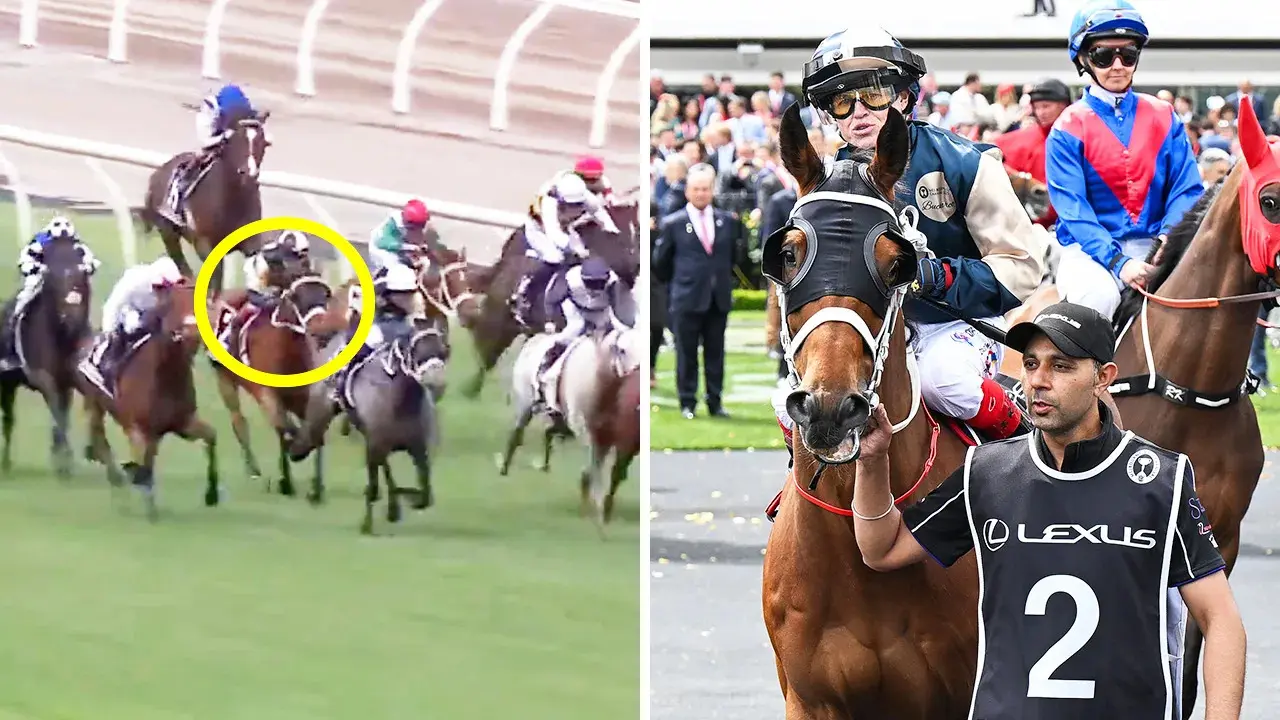
Adding another layer to the post-race narrative was the performance of pre-race favorite Buckaroo, trained by Chris Waller and ridden by Craig Williams. The horse, a leading contender in the lead-up, finished last in the 24-horse field after Williams eased him down in the final 300 meters. Spectators expressed immediate worry as the gelding appeared to struggle, fueling speculation about what had gone wrong with one of the most anticipated runners. A subsequent update clarified that Buckaroo had suffered from exercise-induced pulmonary hemorrhage (EIPH), a condition causing bleeding in the lungs that can affect breathing during exertion.
Williams’ decision to look after the horse rather than push him to the line was praised by owner Ozzie Kheir, who confirmed the gelding would recover fully without needing veterinary intervention.
For many fans, these incidents—while individually explained—combined to raise uncomfortable questions about the physical toll of the Melbourne Cup. The race, often called “the race that stops a nation,” carries immense cultural significance, drawing massive betting interest and national attention each year. Yet it also sits at the center of ongoing debates about whether such demanding events can truly prioritize horse welfare in an era of increased awareness and activism.
The controversy surrounding Half Yours’ appearance and Buckaroo’s fade-out has sparked divided opinions. Supporters of the sport argue that minor injuries like cheek lacerations or manageable conditions like EIPH are unfortunate but inevitable in elite competition, and that the quick official responses demonstrate a commitment to transparency. Critics, including animal welfare advocates, contend that any visible blood or signs of distress should prompt deeper reflection on the ethics of pushing horses to their limits over such a grueling distance.
As the dust settles on the 165th running of the Melbourne Cup, the focus remains split between the historic achievement of Jamie Melham and the lingering unease over what unfolded behind the scenes. Whether this episode proves to be a major scandal that reshapes perceptions of the event or merely a disastrous misunderstanding amplified by the intensity of live broadcasting remains to be seen. What is clear is that the Melbourne Cup continues to captivate—and occasionally unsettle—the nation, forcing a constant balance between tradition, spectacle, and responsibility.
In the end, the race delivered drama, history, and heartbreak in equal measure. Half Yours’ victory will be remembered for years to come, but so too will the images and questions that followed. Racing authorities will hope that the “clean” evidence and veterinary assurances are sufficient to restore faith, allowing the sport’s greatest day to return to its celebrated status as a symbol of excellence rather than concern. Only time, and perhaps future races, will tell if the public fully accepts this explanation or demands even greater accountability from the industry they have loved for generations.