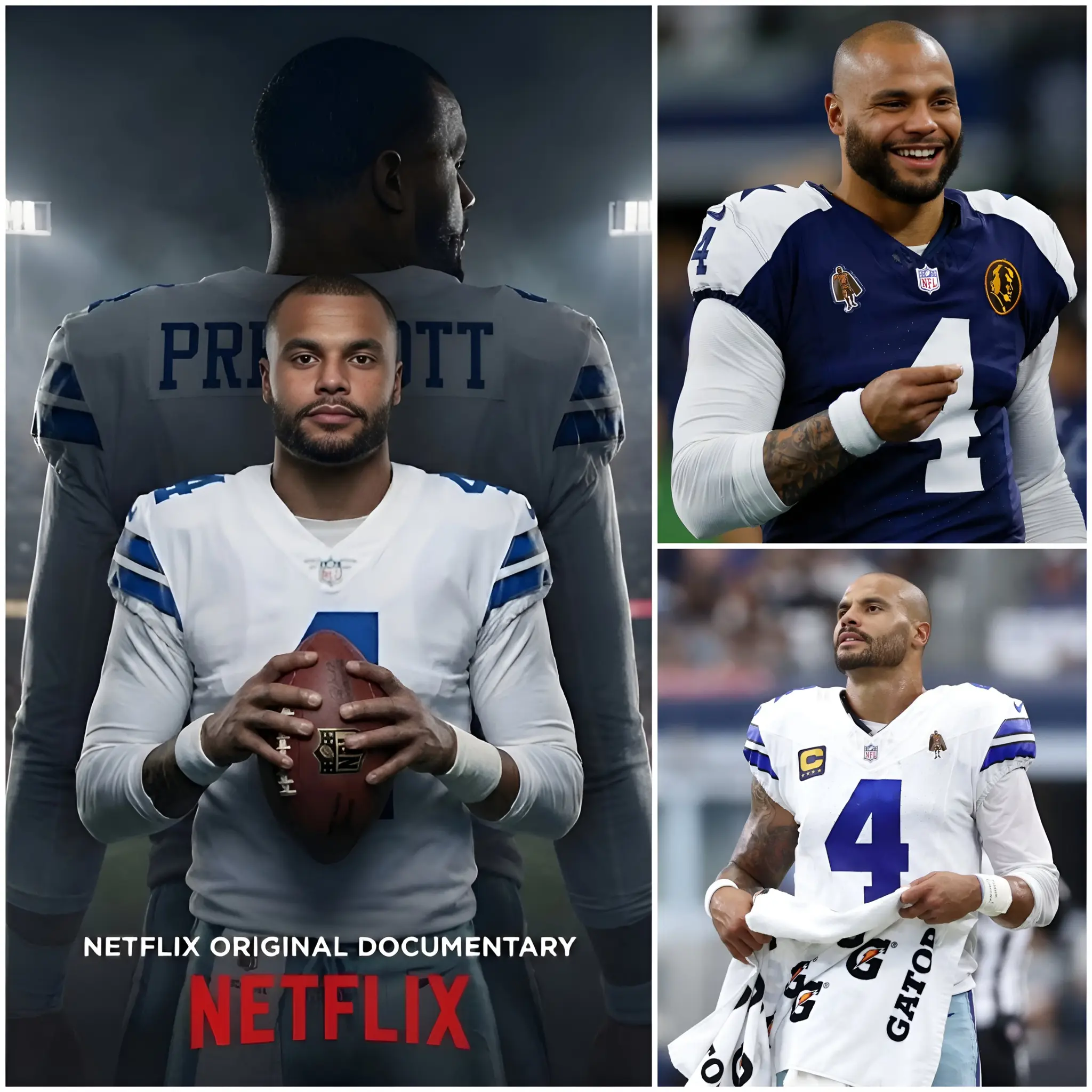
Netflix has unveiled the official trailer for its highly anticipated documentary centered on Dallas Cowboys quarterback Dak Prescott, promising viewers an intimate and emotionally resonant portrait of one of the NFL’s most recognizable figures. Far from a conventional sports highlight reel, the film aims to explore the full scope of Prescott’s journey—charting his rise through football’s most competitive stages while confronting the personal trials that have shaped him off the field.
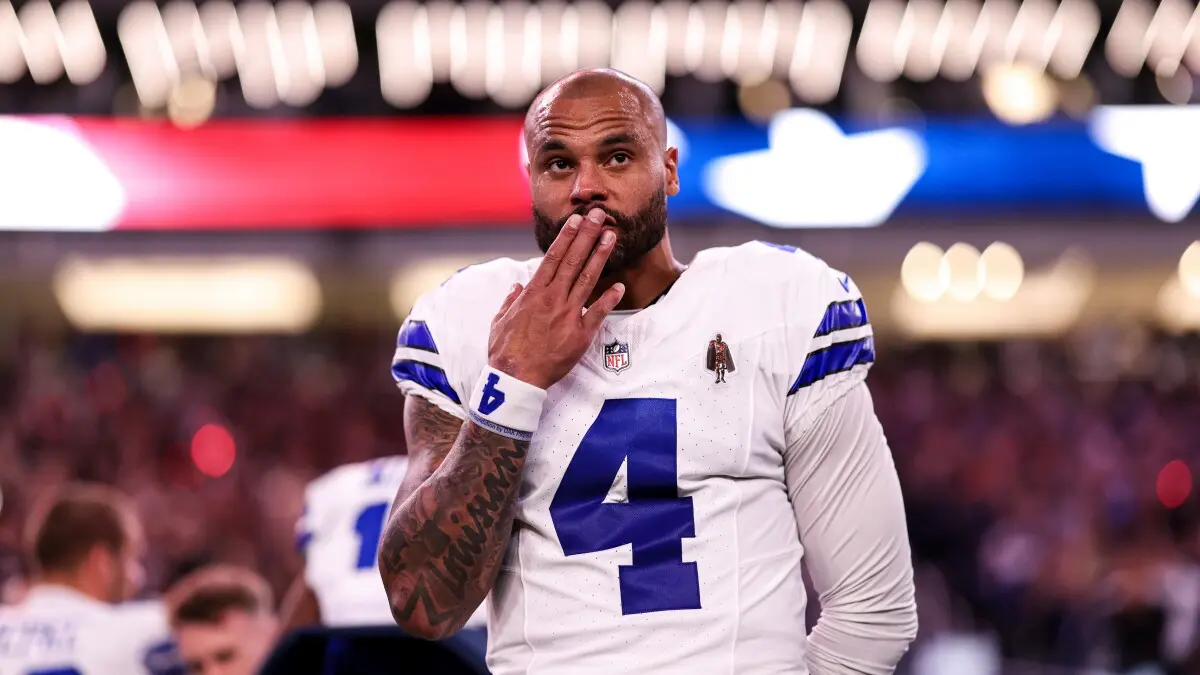
From the opening moments of the trailer, the documentary signals its intent to go beyond touchdowns and game-day glory. Instead, it frames Prescott’s story as one defined by resilience, accountability, and emotional honesty. Through a mix of archival footage, personal interviews, and behind-the-scenes access, the film presents a narrative that seeks to humanize a player often seen only through the lens of performance and statistics.
Dak Prescott’s path to the NFL was never guaranteed. Raised in a working-class family in Louisiana, he grew up in an environment where discipline and perseverance were not optional but necessary. Football became both an outlet and an opportunity, a way to channel ambition and provide structure amid adversity. The documentary revisits these early years, highlighting the grit and determination that defined Prescott long before he became a household name.

At Mississippi State University, Prescott emerged as a leader and a competitor, earning respect not just for his athletic ability but for his work ethic and composure. The film reportedly delves into this period as a critical foundation—one in which Prescott learned to shoulder responsibility and lead by example. Interviews with former coaches and teammates help contextualize how those collegiate experiences prepared him for the pressures that would follow.
Prescott’s entry into the NFL added another layer to his story. Drafted later than many expected, he entered the league without the fanfare typically associated with franchise quarterbacks. Yet opportunity arrived quickly, and Prescott seized it. The documentary traces his rapid ascent with the Dallas Cowboys, capturing the intensity of early success and the scrutiny that comes with playing for one of the most visible teams in professional sports.
However, what sets this film apart is its focus on what happened beyond the spotlight. The trailer makes clear that the documentary does not shy away from Prescott’s personal challenges, including periods of loss, mental health struggles, and the weight of public expectation. In recent years, Prescott has spoken openly about the emotional toll of grief and depression—topics still often stigmatized in professional athletics. Netflix’s project appears to give those conversations the space and seriousness they deserve.
The documentary portrays Prescott not as an invincible star, but as a man navigating vulnerability in an industry that rarely encourages it. Scenes in the trailer show moments of quiet reflection, candid conversations with family members, and instances where Prescott confronts doubt and frustration. These segments suggest a deliberate effort to challenge traditional narratives of toughness in sports, replacing them with a more nuanced understanding of strength.
In doing so, the film aligns with a broader cultural shift within athletics, where mental health and personal well-being are increasingly acknowledged as integral to performance and longevity. Prescott’s willingness to address these topics publicly has already had an impact beyond football, and the documentary appears poised to amplify that influence.
Visually, the trailer balances cinematic polish with a grounded, documentary-style realism. Training sessions, locker room moments, and off-field interactions are presented without excessive dramatization, reinforcing the sense that viewers are being invited into Prescott’s real world rather than a curated image. The pacing suggests a thoughtful narrative structure, allowing emotional moments to breathe alongside competitive milestones.
Netflix has found success in recent years with sports documentaries that blend access with introspection, and this project seems to follow that tradition. Rather than positioning Prescott solely as an athlete, the film frames him as a son, a leader, and a public figure learning how to navigate responsibility in real time. That multidimensional approach is likely to resonate not only with football fans, but with viewers interested in stories of personal growth and resilience.
Early reactions to the trailer on social media indicate strong interest, particularly from fans who appreciate Prescott’s transparency and leadership style. Many have noted that the documentary appears less concerned with building a heroic myth and more focused on authenticity—a choice that could broaden its appeal well beyond the sports world.
The timing of the release is also significant. In an era where athletes are increasingly using their platforms to speak about mental health, identity, and social responsibility, Prescott’s story fits squarely within ongoing conversations about what it means to lead in public. The documentary’s emphasis on honesty and reflection suggests an effort to contribute meaningfully to those discussions rather than simply capitalize on star power.
While Netflix has not positioned the film as a definitive account of Prescott’s career, the trailer implies that it offers something equally valuable: insight. By allowing viewers to see moments of uncertainty alongside success, the documentary challenges the notion that achievement comes without cost.
Ultimately, the film appears to ask viewers to reconsider how they see athletes like Dak Prescott—not as distant icons, but as individuals whose journeys include setbacks, self-doubt, and growth. If the full documentary delivers on the promise of its trailer, it may stand as one of the more emotionally grounded sports portraits in recent memory.
As anticipation builds ahead of its release, one thing is clear: this is not just a story about football. It is a story about perseverance, accountability, and the courage to be seen as human in a world that often demands perfection.