The breaking news about Dale Earnhardt Jr. instantly captured attention across the motorsports world. The newly released Netflix trailer promises a deeply personal documentary that goes far beyond racing highlights and victory laps. Framed as a story of survival rather than success, the film presents Earnhardt Jr. shedding what many describe as the final layer of armor he has worn for decades. Fans are preparing for a version of the NASCAR icon they have never fully seen.
For years, Dale Earnhardt Jr. has been synonymous with legacy. As the son of the legendary Dale Earnhardt, expectations followed him before he ever stepped into a race car. The trailer makes it clear that this weight was not symbolic but crushing. From the opening moments, the film signals that fame and family heritage brought relentless pressure that shaped every decision, every risk, and every moment of self-doubt.
What sets this Netflix project apart is its tone. Rather than celebrating championships or rivalries, it leans into vulnerability. The imagery is darker, quieter, and emotionally charged. Earnhardt Jr. speaks candidly about scars that will never heal, suggesting that the most dangerous battles he faced were not always at 200 miles per hour, but inside his own mind.

The documentary explores decisive moments on the racetrack where survival was not guaranteed. Near-fatal crashes, concussions, and physical trauma are revisited with unflinching honesty. The trailer hints that these moments forced Earnhardt Jr. to confront mortality far earlier than most athletes, changing how he viewed risk, legacy, and the cost of continuing to race.
Equally powerful are the moments away from the track. The film delves into life under constant scrutiny, where mistakes were magnified and successes were never enough. Earnhardt Jr. reflects on carrying a famous name that opened doors but also closed emotional space. The expectation to be strong at all times left little room to process fear, grief, or exhaustion.
One of the most striking elements teased in the trailer is the theme of silence. Earnhardt Jr. admits that for years he avoided speaking openly about mental health, trauma, and anxiety. In a sport that prizes toughness, vulnerability was often mistaken for weakness. The documentary positions this silence as both a shield and a prison, protecting his image while quietly eroding his well-being.
Behind the scenes, Netflix reportedly gained unprecedented access to personal archives, including private journals, unreleased interviews, and family footage. This access forms the backbone of the story, allowing viewers to witness not just public moments, but private ones never meant for broadcast. The result is a narrative that feels raw rather than polished, reflective rather than promotional.
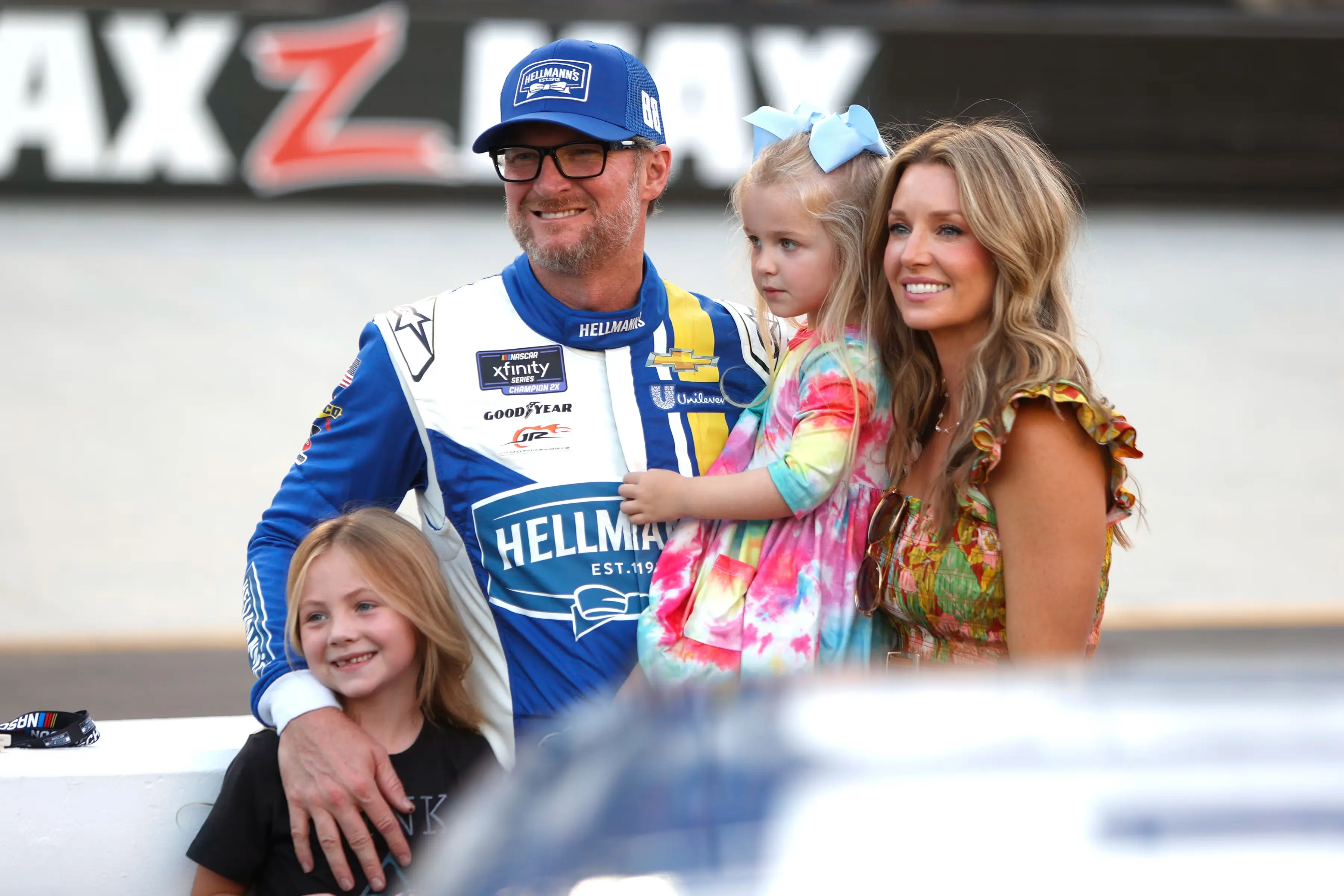
The secret at the heart of the documentary lies in its true focus. While marketed as a sports story, insiders suggest it is ultimately about identity. Earnhardt Jr. confronts the question of who he is without the helmet, the expectations, and the constant comparison to his father. This internal struggle becomes the film’s emotional spine.
Another lesser-known aspect revealed is how close he came to walking away from everything long before retirement. The pressure, compounded by injuries and unresolved grief, reportedly pushed him to the brink more than once. These moments were hidden behind smiles, sponsor appearances, and media obligations, creating a stark contrast between perception and reality.
The trailer also hints at conversations with those closest to him, including family members and longtime colleagues. These voices provide context and challenge Earnhardt Jr.’s own self-perception, revealing how deeply his internal battles affected the people around him. It becomes clear that survival was not a solo effort, but a fragile network of support holding him together.
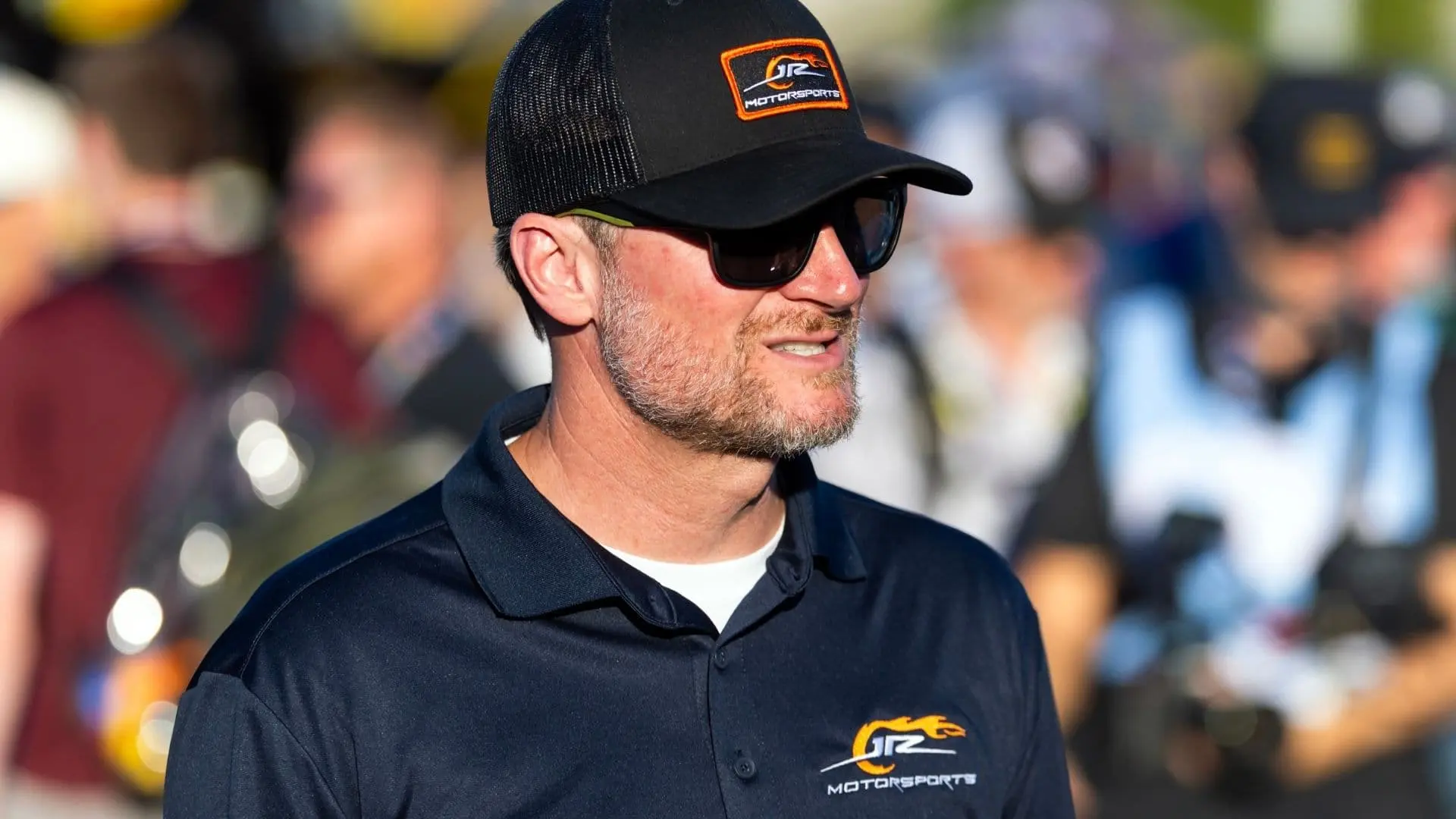
From an SEO perspective, the documentary taps into powerful search themes: mental health in sports, legacy pressure, athlete vulnerability, and behind-the-scenes truth. Netflix positions the release as more than entertainment, but as a cultural moment that reframes how toughness and resilience are defined in competitive environments.
Fans who have followed Earnhardt Jr. for decades may find this portrayal unsettling yet necessary. The documentary does not aim to dismantle his legacy, but to humanize it. By acknowledging darkness rather than denying it, the film offers a fuller understanding of what it truly cost to survive at the highest level.
As February approaches, anticipation continues to build. Social media reaction to the trailer suggests viewers are ready for honesty, even if it’s uncomfortable. Many see this project as a turning point, not just for Earnhardt Jr., but for how athlete stories are told in general.
In the end, the most powerful revelation may be this: the strongest armor is not silence, but truth. Dale Earnhardt Jr.’s story, as promised by the trailer, is not about winning races, but about enduring pressure, confronting pain, and choosing to live fully after years spent merely surviving.
sdv ds k cka c ưa c c ccka ckac