The stage is set for one of the most improbable and captivating College Football Playoff National Championship games in recent memory. On Monday, January 19, 2026, at Hard Rock Stadium in Miami Gardens, Florida, the No. 1 seed Indiana Hoosiers (15-0) will face the No. 10 seed Miami Hurricanes (13-2) for the national title. This matchup pits an undefeated juggernaut chasing history against a resurgent powerhouse playing in its own backyard, creating a narrative rich with drama, redemption, and high stakes.
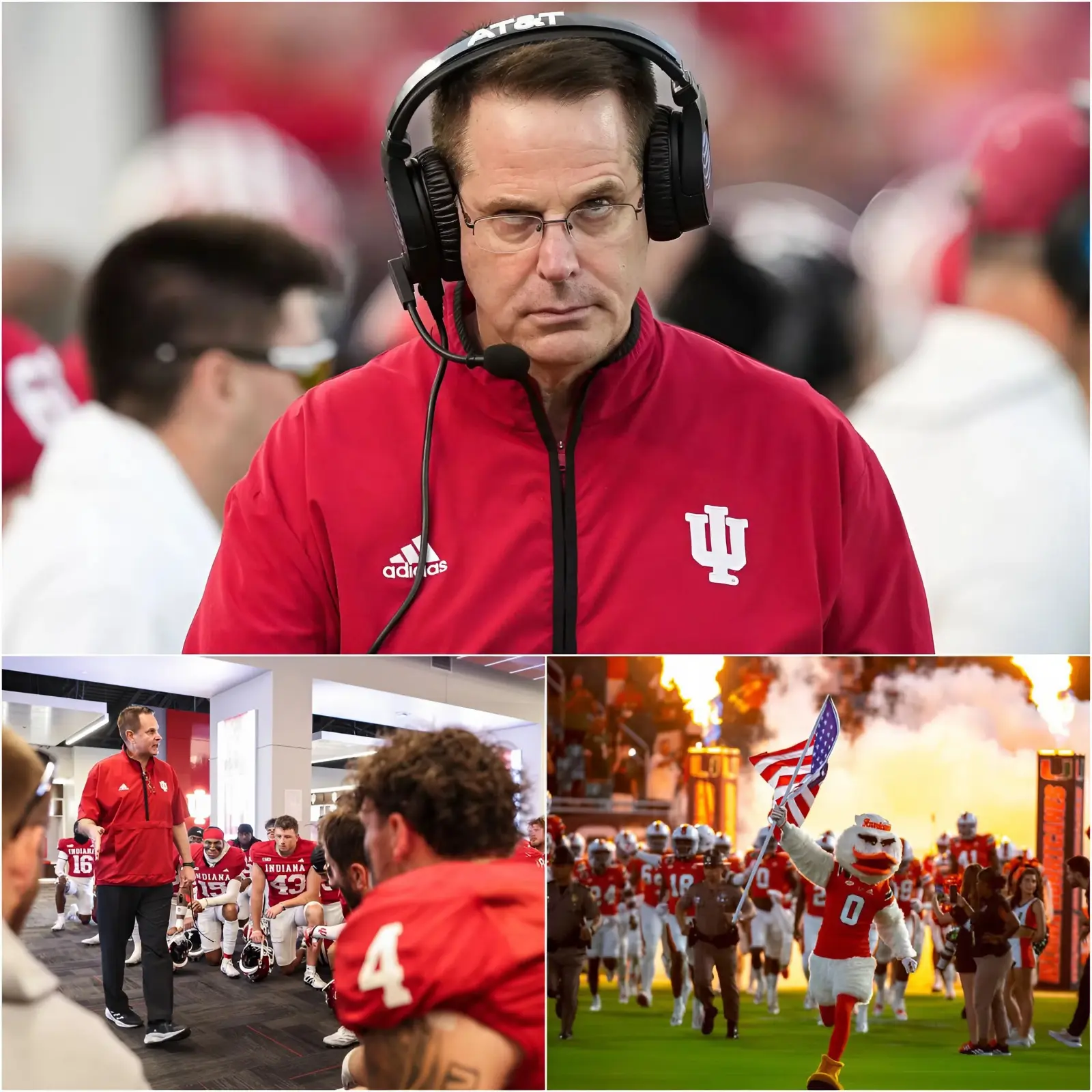
Indiana’s journey to this point has been nothing short of extraordinary. Under head coach Curt Cignetti, in just his second season, the Hoosiers have transformed from a perennial underachiever into a dominant force. Cignetti, who arrived after a successful stint at James Madison, inherited a program with a long history of struggles. Prior to his arrival, Indiana had endured losing seasons and rarely contended for relevance in the Big Ten. Yet, in 2025, the Hoosiers posted a perfect 12-0 regular season, captured their first Big Ten title since 1967, and earned the No.
1 overall seed in the expanded 12-team playoff.
Their playoff path has been ruthless. After a first-round bye, Indiana dismantled No. 9 Alabama 38-3 in the Rose Bowl quarterfinal, holding the Crimson Tide to just 23 rushing yards. Then, in the Peach Bowl semifinal, they delivered a statement 56-22 thrashing of No. 5 Oregon—the second time they beat the Ducks in the season—outscoring their playoff foes by a combined 94-25. Discipline defines this team: zero turnovers in the postseason, minimal penalties, and an ability to execute flawlessly. Heisman Trophy winner Fernando Mendoza, a Miami native returning to his hometown, has been the centerpiece.
The quarterback’s precision, decision-making, and ability to exploit defenses have made Indiana’s offense nearly unstoppable, supported by an elite offensive line that has allowed few pressures.
Defensively, the Hoosiers are equally formidable. Coordinator Bryant Haines’ unit ranks among the nation’s best in points and yards allowed, with a relentless pass rush and swarming secondary that forces mistakes. Players like linebacker Aiden Fisher and defensive linemen have created havoc, limiting opponents’ ground games to an average of just 75 rushing yards per contest. Cignetti’s philosophy—buttoned-up preparation, patience, and capitalizing on errors—has turned Indiana into a machine. Rumors of “cheating” or uncanny preparation have surfaced on social media due to their dominance, but players and coaches have dismissed them as baseless, crediting continuity and hard work.
Miami, meanwhile, embodies the grit of a program reborn. Head coach Mario Cristobal, a former Hurricanes player who won national titles in 1989 and 1991, has rebuilt the team into a physical, identity-driven squad. After a rocky start to his tenure, including a 5-7 record in 2022, Cristobal’s emphasis on the trenches and recruiting has paid dividends. The Hurricanes entered the playoff as the last team in, the No. 10 seed, but they have defied expectations with wins over No. 7 Texas A&M, defending champion No.
2 Ohio State (24-14 in the Cotton Bowl quarterfinal), and a thrilling 31-27 comeback against No. 6 Ole Miss in the Fiesta Bowl semifinal.
That Fiesta Bowl victory was a microcosm of Miami’s resilience. Trailing late, quarterback Carson Beck—transferred from Georgia—engineered a game-winning drive, converting multiple third downs and scrambling for key yards. The defense, led by pass rushers Akheem Mesidor and Rueben Bain Jr., racked up sacks and disrupted rhythm. Miami’s run game, featuring dynamic backs and a bruising offensive line, has kept drives alive, while playmakers like receiver Malachi Toney provide explosive threats.
However, the Hurricanes face challenges. Starting cornerback Xavier Lucas will miss the first half due to a controversial targeting ejection in the Fiesta Bowl against Ole Miss wide receiver Cayden Lee. Cristobal has called the call harsh, noting the receiver’s movement, but NCAA rules carry the suspension over.
Tight end Elija Lofton remains questionable after an upper-body injury, though most of the roster, including Mesidor and defensive tackle Ahmad Moten Sr., is reported as “full throttle.” Despite these issues, Miami benefits from home-field advantage—the first time in the modern era (BCS/CFP since 1998) a team plays a national title game at its home stadium. Hard Rock Stadium, selected years ago, now gives the Hurricanes a familiar environment and passionate crowd support.
Betting odds reflect Indiana’s dominance: the Hoosiers are favored by 7.5 to 8.5 points, with a total around 47.5. Models like Dimers give Indiana a 67% win probability, projecting a 27-21 score. Experts praise the Hoosiers’ discipline and ability to control tempo, while noting Miami’s potential to grind clock, force third-and-longs, and leverage their pass rush against Mendoza.
The matchup boils down to trenches and execution. Indiana’s offensive line versus Miami’s defensive front will decide if the Hoosiers can sustain drives. Miami needs to run effectively to keep Mendoza off the field and exploit any pressure opportunities. For Indiana, avoiding mistakes in a hostile (yet not overwhelmingly so) environment is key; their fans have traveled well all postseason.
This game represents more than a title. For Indiana, victory means a perfect 16-0 season, the program’s first national championship, and entry into conversations about all-time greats. For Miami, it would be their first title since 2001, a crowning achievement for Cristobal’s rebuild, and a symbolic return to glory on home soil.
As kickoff approaches on MLK Day, the contrast is stark: one team the epitome of flawless execution, the other a comeback story fueled by heart and home advantage. Whatever the outcome, this championship will etch itself into college football lore as a testament to transformation, resilience, and the unpredictable magic of the sport.