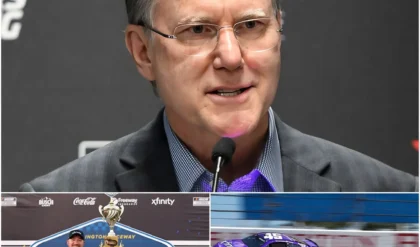
The stage is set for an unprecedented and highly charged showdown in college football: the No. 1 Indiana Hoosiers, an undefeated 15-0 powerhouse chasing their first national championship, against the No. 10 Miami Hurricanes, the lowest seed ever to reach the CFP title game and playing on their home field. On Monday, January 19, 2026, these two teams will face off in the 2026 College Football Playoff National Championship Presented by AT&T at Hard Rock Stadium in Miami Gardens, Florida. Kickoff is scheduled for 7:30 p.m. ET, with the game airing live on ESPN.
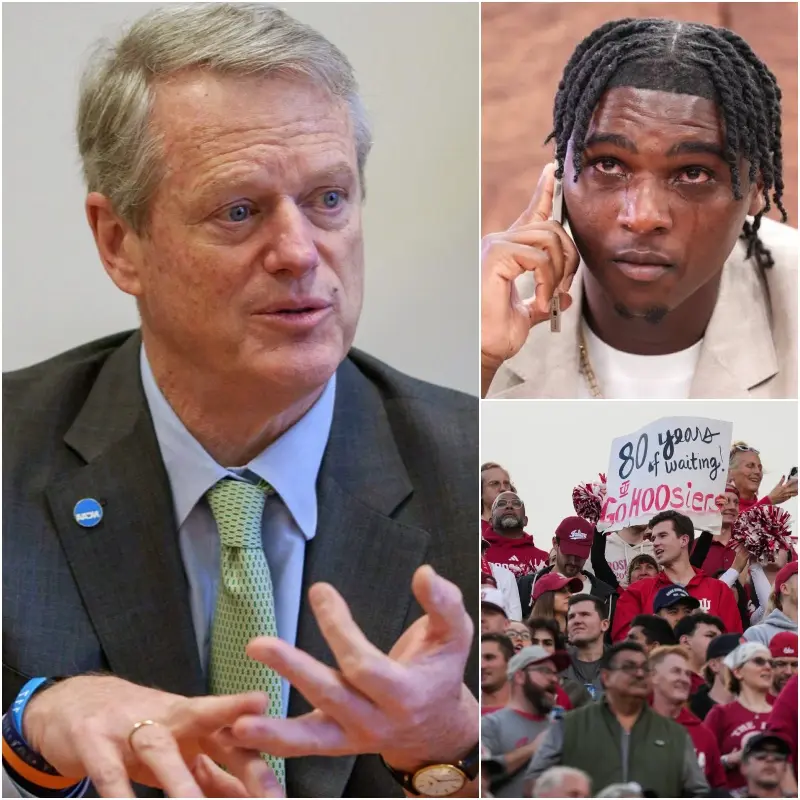
This matchup is a study in contrasts. Indiana, under second-year head coach Curt Cignetti, has completed one of the most astonishing turnarounds in FBS history. The Hoosiers, who entered the 2025 season with the most all-time losses in the division, finished the regular season 12-0, captured their first Big Ten title since 1967 with a victory over Ohio State, and earned the No. 1 seed in the expanded 12-team playoff. After a first-round bye, they demolished No. 9 Alabama 38-3 in the Rose Bowl quarterfinal and routed No. 5 Oregon 56-22 in the Peach Bowl semifinal.
Indiana leads the nation with a +28.6 average scoring margin, ranks top-10 in both scoring offense and defense, and boasts the FBS’s best turnover margin while leading in sacks. Their defense has been suffocating, allowing just 11.1 points per game and limiting opponents to under 90 rushing yards per contest.
At the center of Indiana’s dominance is Heisman Trophy winner Fernando Mendoza, the redshirt junior quarterback who transferred from California and delivered a historic season in Bloomington. A Miami native, Mendoza threw for over 3,500 yards with 41 touchdowns and only six interceptions, completing 73% of his passes with elite accuracy and decision-making. He has been projected as the No. 1 overall pick in the 2026 NFL Draft, and his poise in high-stakes games—highlighted by five-touchdown outings in the playoffs—has made him the face of the Hoosiers’ resurgence.
Backed by an elite offensive line (finalists for the Joe Moore Award) that allowed just 22 sacks all season and a balanced rushing attack averaging over 200 yards per game, Mendoza operates in a clean pocket and spreads the ball to a deep receiving corps.
Miami, coached by Mario Cristobal—a former Hurricanes player who won national titles in 1989 and 1991—has authored a Cinderella run as the No. 10 seed. The Hurricanes finished 13-2, with key wins over No. 2 Ohio State, No. 7 Texas A&M, and a dramatic 31-27 comeback against No. 6 Ole Miss in the Fiesta Bowl semifinal. Senior quarterback Carson Beck, who transferred from Georgia, has provided veteran stability, throwing for 3,581 yards with 29 touchdowns.
Miami’s defense leads the nation in sacks (47), driven by a disruptive front featuring players like Akheem Mesidor and Rueben Bain Jr., while their offense has shown clutch ability in tight playoff games. This is Miami’s first national championship appearance since 2002, as they pursue their sixth claimed title (1983, 1987, 1989, 1991, 2001). Hosting the game at Hard Rock Stadium—their home venue—marks the first time since the 1995 Orange Bowl that a team has played for the modern national title in its own stadium, adding a massive home-field advantage.
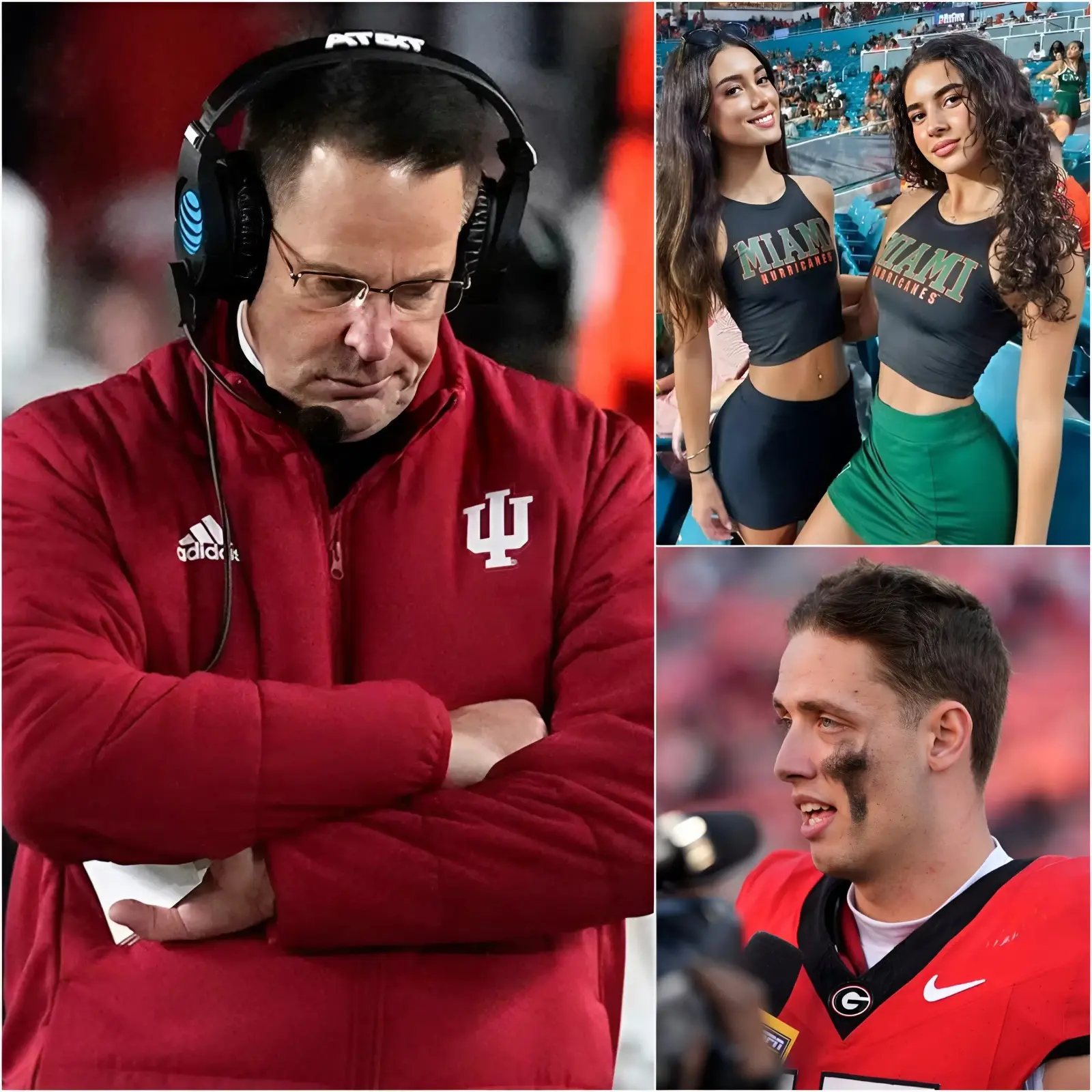
The buildup has been overshadowed by drama. In the lead-up to the game, reports surfaced that Indiana’s coaching staff proposed restrictions on Miami fans’ access to Hard Rock Stadium—either banning large groups or significantly hiking ticket prices for Hurricanes supporters. The rationale, widely criticized as ridiculous and contemptuous, focused on concerns that “local fans would dilute the historic victory atmosphere of the Hoosiers.” The suggestion sparked massive outrage on social media and in national media, with many labeling it arrogant and unsportsmanlike, especially given Miami’s inherent home advantage and Indiana’s road success throughout the season.
Miami’s response was swift and sharp. In a media session, Carson Beck delivered a direct, intense criticism aimed at Curt Cignetti, leaving the Indiana coach appearing rattled and defensive when questioned afterward. The viral exchange intensified the narrative, turning the championship into a battle of pride, respect, and regional stakes—Mendoza returning to his hometown to face the team that once recruited him, while Beck seeks to cap his winding career with a third national title ring.
On the field, Indiana enters as an 8.5-point favorite with an over/under of 47.5, reflecting their structural edge. The Hoosiers dominate the third quarter—ranking No. 1 offensively and top-tier defensively—often using halftime adjustments to pull away. Miami’s pass rush could challenge Mendoza, but Indiana’s elite line and turnover-forcing defense make them hard to disrupt. Analysts overwhelmingly favor the Hoosiers to win decisively, predicting a performance that cements their legacy as one of the greatest single-season teams in the playoff era.
For Indiana, victory would complete a perfect 16-0 season—the second undefeated CFP title run—and deliver the program’s first national championship after over a century of hardship. It would immortalize Cignetti’s rebuild and Mendoza’s Heisman campaign. For Miami, a home win would mark a triumphant revival under Cristobal, adding to their storied legacy and proving doubters wrong about their low seed.
As January 19 approaches, the nation watches a game filled with history, controversy, personal narratives, and high stakes. Whether Indiana completes their improbable dominance or Miami pulls off the ultimate home upset, this championship will be remembered as the moment when underdog dreams collided with powerhouse reality on college football’s grandest stage. (Word count: 1512)