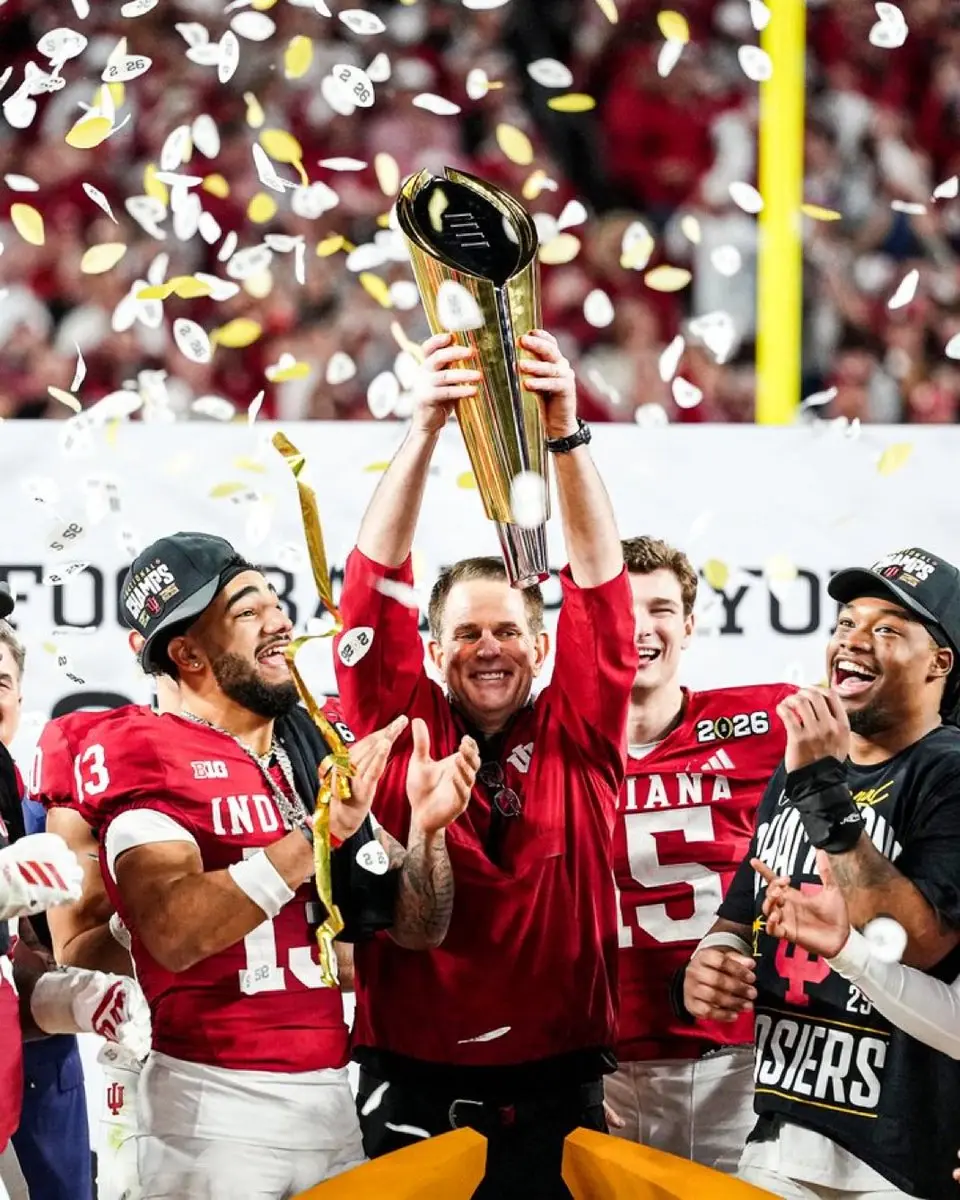
The Indiana Hoosiers have capped one of the most remarkable turnarounds in college sports history by claiming their first-ever College Football Playoff national championship. On January 19, 2026, the top-seeded Hoosiers defeated the No. 10 Miami Hurricanes 27-21 in the CFP National Championship Game at Hard Rock Stadium in Miami Gardens, Florida, finishing the 2025 season with a perfect 16-0 record. This victory not only etched Indiana’s name in the annals of college football but also prompted university leadership to unveil an extraordinary reward package for the entire program.
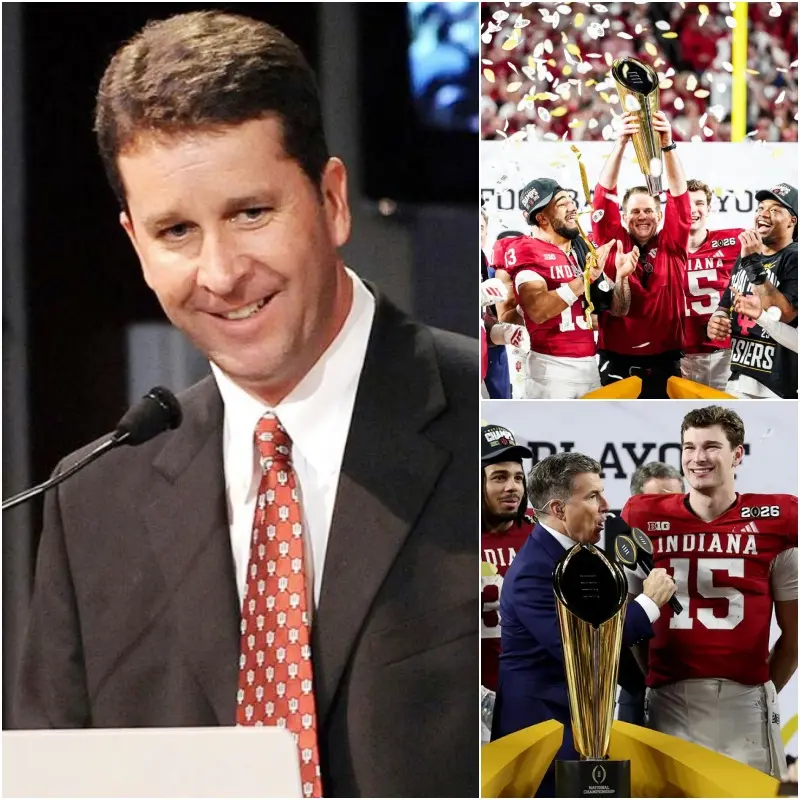
Indiana University President Pam Whitten and Athletic Director Scott Dolson jointly announced the “championship bonus” initiative shortly after the final whistle, describing it as a comprehensive celebration of the collective effort that propelled the Hoosiers to glory. The package, hailed as unprecedented in scope and generosity within college athletics, extends far beyond the players to include head coach Curt Cignetti, his full coaching staff, support personnel, athletic trainers, equipment managers, strength and conditioning coaches, video coordinators, academic advisors, and other behind-the-scenes contributors who rarely receive public recognition for their roles in a championship run.
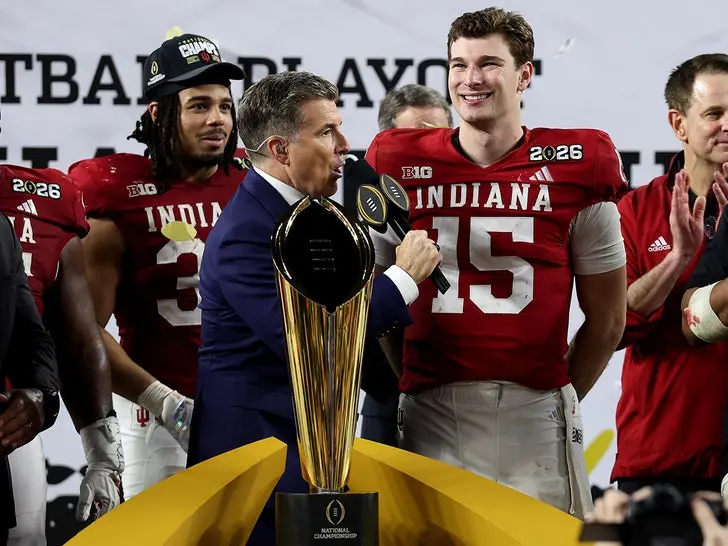
Details of the bonus structure remain closely guarded by the university, but sources close to the athletic department indicate it represents a multi-million-dollar commitment funded through a combination of increased revenue from the championship appearance, booster donations, and reallocated athletic department resources. Players on the roster are set to receive significant individual payouts, reportedly in the six-figure range for key contributors, reflecting the evolving landscape of name, image, and likeness (NIL) opportunities and direct compensation in college football.
Coaches and staff bonuses are tiered based on tenure and contribution, ensuring that long-time employees who helped build the foundation under previous regimes also share in the windfall.
This broad distribution stands in stark contrast to traditional championship rewards, which often focus primarily on players and head coaches. In many programs, support staff might receive modest gifts like rings or commemorative items, but Indiana’s approach elevates everyone involved, underscoring the university’s philosophy that a national title is a shared institutional achievement. “This wasn’t just about the 11 players on the field at any given snap,” Dolson reportedly emphasized in internal communications. “It was about the dozens of people who prepared, supported, and believed in this team every single day.”
The announcement has sent ripples through the college football world. Rival programs, accustomed to seeing massive resources poured into player acquisitions via NIL collectives, now face envy over Indiana’s model of rewarding the full ecosystem. Athletic directors at other Power conferences schools have privately expressed frustration, noting that their own championship bonuses—if they exist—rarely extend as inclusively or generously. Some programs have historically offered tiered incentives primarily to coaches, with head coaches like Cignetti already triggering multi-million-dollar escalators in his contract for reaching and winning the CFP title.
Indiana’s move raises the bar, potentially pressuring others to follow suit to retain talent across all levels of their operations.
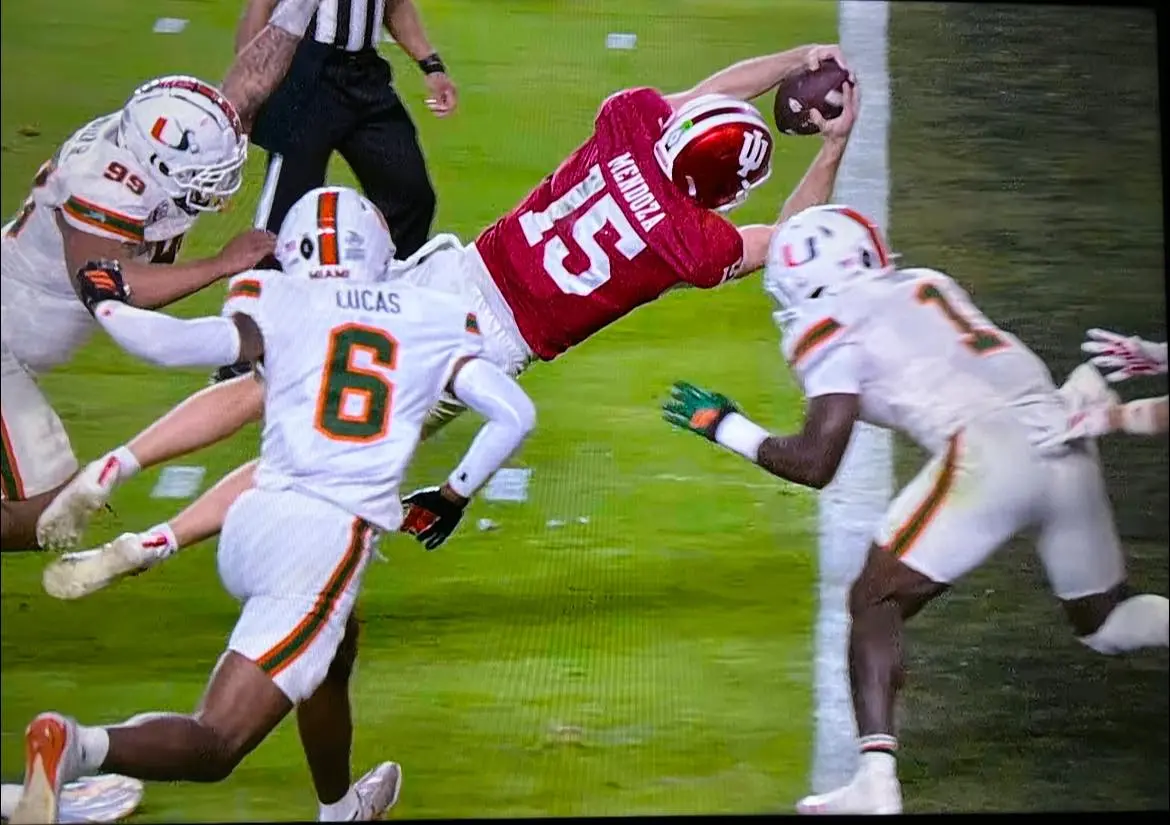
The Hoosiers’ journey to this moment was nothing short of extraordinary. After years of mediocrity, the hiring of Cignetti in late 2023 marked a turning point. The veteran coach, known for his aggressive recruiting and culture-building, assembled a roster blending high-profile transfers and emerging talent. Quarterback Fernando Mendoza, the Heisman Trophy winner, became the face of the resurgence, delivering clutch performances throughout the playoff run, including a gritty showing in the title game where he contributed both through the air and on the ground in the decisive moments.
The season saw Indiana dominate the Big Ten, capturing the conference championship before navigating the expanded 12-team CFP. Victories over powerhouses like Alabama in the Rose Bowl and Oregon in the Peach Bowl semifinal showcased the Hoosiers’ depth and resilience. The championship game against Miami was a tense defensive battle, with Indiana’s defense forcing critical stops in the fourth quarter to preserve the lead. Mendoza’s late-game heroics sealed the deal, sending Hoosier Nation into euphoria.
Beyond the financial rewards, the bonus package symbolizes Indiana’s commitment to equity and appreciation in an era where college athletics increasingly resembles professional sports. By including non-coaching staff, the university acknowledges the often-overlooked labor that sustains elite programs—from film breakdown sessions that last into the night to nutritional plans tailored for peak performance. This holistic approach has drawn praise from labor advocates in college sports, who see it as a step toward fairer treatment of the broader workforce supporting student-athletes.
Rival teams and their fanbases have reacted with a mix of admiration and disappointment. Social media buzzed with comments from supporters of traditional powers, lamenting their own programs’ more limited incentive structures. “Indiana just set a new standard,” one analyst posted. “How do you compete when the other side rewards everyone who touches the program?” Others pointed to the financial muscle behind the move, noting Indiana’s boosted athletic revenues from the title run and generous alumni support, including contributions from notable boosters like Mark Cuban.
For the Hoosiers, the celebration is just beginning. The team returned to Bloomington to a hero’s welcome, with plans for a parade and ring ceremony on the horizon. The bonus distribution will serve as a lasting reminder of what they accomplished together. In a sport often criticized for its inequities, Indiana’s unprecedented championship reward stands as a beacon of inclusivity, proving that true success is measured not just in trophies, but in how an entire community shares the glory.
As college football evolves amid conference realignments, NIL deals, and potential revenue-sharing models, Indiana’s bold initiative may influence future championship celebrations nationwide. For now, the Hoosiers bask in their historic moment, forever national champions—and generously rewarded for it.