“THIS IS A HUGE SHOCK FOR FAMILIES THAT HAVE BEEN AFFECTED FOR GENERATIONS.”
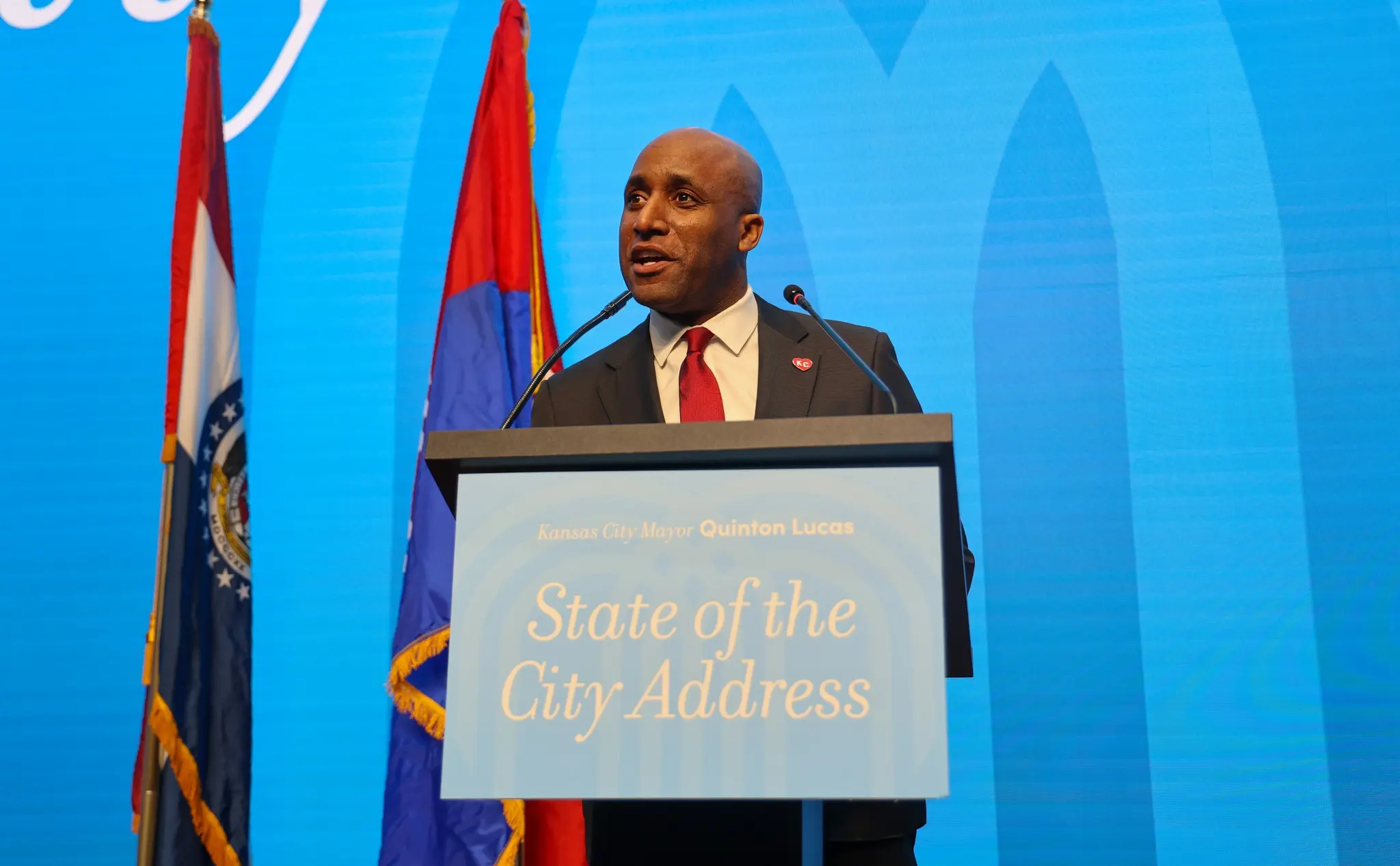
Kansas City awoke to disbelief after confirmation that the Chiefs would leave Arrowhead Stadium, a venue deeply woven into the city’s identity, sparking emotional reactions from fans, local leaders, and families who have supported the franchise across multiple generations.
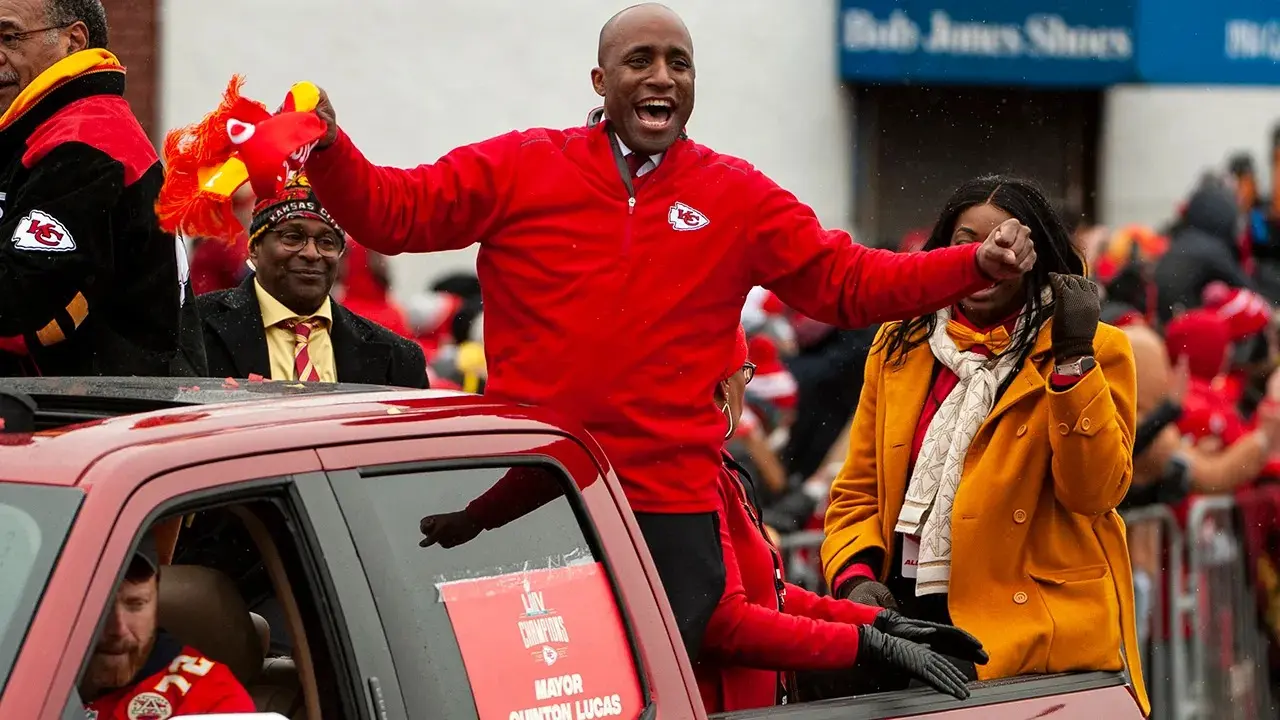
Mayor Quinton Lucas quickly became the public voice of that heartbreak, describing the decision as a painful rupture between the team and the community that had stood by it through decades of triumphs, heartbreaks, and shared civic pride.
Standing before reporters, Lucas emphasized that Arrowhead was never just concrete and steel, but a cultural landmark where parents brought children, and children grew into lifelong fans bound together by tradition and memory.

He argued that the Chiefs’ success was inseparable from Kansas City itself, insisting that the roaring crowds, local loyalty, and communal sacrifice helped transform the franchise into one of the NFL’s most iconic teams.
Lucas warned that abandoning Arrowhead risked erasing an emotional inheritance passed down for generations, calling it a “huge shock” for families who saw the stadium as a second home rather than a replaceable business asset.
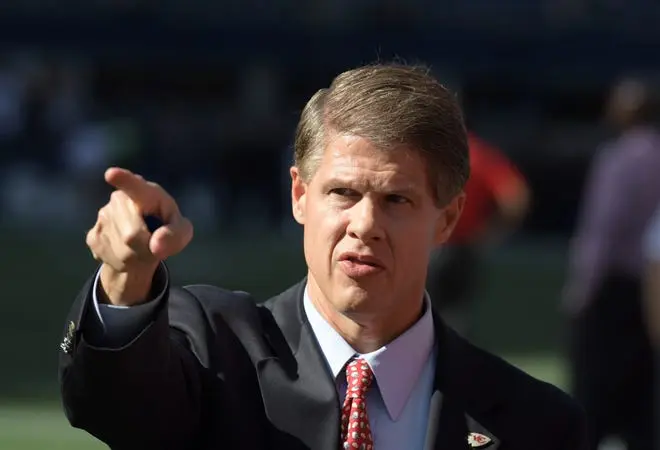
Across the state line, Chiefs chairman Clark Hunt delivered a sharply different message, framing the move not as betrayal, but as an unavoidable step toward long-term survival and competitive dominance in a changing NFL landscape.
Hunt stressed that the proposed domed stadium in Kansas would shield players and fans from extreme weather, creating consistent conditions better suited for elite performance and year-round high-profile events.
According to Hunt, harsh winters had increasingly limited Arrowhead’s flexibility, while modern franchises required facilities capable of hosting Super Bowls, concerts, and global spectacles that older stadiums simply could not accommodate.
He argued that the decision was grounded in economic realism, claiming the new venue would generate sustained revenue, create jobs, and secure the Chiefs’ financial future for decades to come.
Supporters of the move echoed Hunt’s reasoning, insisting that sentimentality alone could not dictate strategy in a league driven by billion-dollar media deals and relentless competition for relevance.
They pointed out that other franchises had made similar transitions, often facing initial backlash before fans ultimately embraced modern facilities and the success that followed.
Yet for many Kansas City residents, comparisons offered little comfort, as Arrowhead represented something irreplaceable, a rare stadium where atmosphere itself was considered a competitive advantage.
Longtime season ticket holders described feeling blindsided, saying they had invested not only money but identity into the team, trusting that loyalty would be reciprocated rather than relocated.
Some families recounted memories spanning half a century, from bitterly cold playoff games to championship celebrations, moments they feared would lose meaning once severed from their historic setting.
Local businesses near Arrowhead also expressed concern, warning that restaurants, bars, and vendors built around game-day traffic could face severe economic consequences if the team departs.
Economists remain divided, with some suggesting new development around the Kansas stadium could offset losses, while others caution that promised benefits often fail to fully materialize for displaced communities.
The controversy quickly expanded beyond sports, evolving into a broader debate about civic loyalty versus corporate ambition in modern professional athletics.
Critics accused ownership of leveraging fan devotion while prioritizing profit, arguing that public subsidies and emotional investment deserved greater respect in decision-making.
Meanwhile, defenders countered that professional teams are not charities, emphasizing that sustained success requires adaptability, innovation, and sometimes painful choices.
Social media became a battleground, with hashtags mourning Arrowhead trending alongside posts celebrating the potential of a futuristic dome and increased championship opportunities.
Former players weighed in cautiously, acknowledging the magic of Arrowhead’s atmosphere while conceding that modern facilities can extend careers and improve overall team performance.
NFL insiders suggested the league quietly favors domed stadiums for marquee events, reinforcing Hunt’s claim that regular Super Bowl contention requires infrastructure aligned with league priorities.
Within City Hall, discussions intensified about whether more aggressive negotiations or incentives could have prevented the move, prompting questions about political responsibility and missed opportunities.
For Mayor Lucas, the issue remains deeply personal, as he framed the decision as a symbolic rejection of Kansas City’s loyalty rather than a neutral business calculation.
He urged fans not to let anger fracture the community, while maintaining that disappointment was both justified and inevitable given the emotional stakes involved.
As uncertainty lingers, families face the prospect of choosing between tradition and convenience, deciding whether to follow the team across state lines or preserve memories rooted in Arrowhead.
The unfolding saga illustrates a recurring tension in American sports, where history and heritage collide with ambition, modernization, and financial imperatives.
Whether the move ultimately delivers championships and prosperity, or leaves a lasting scar on Kansas City’s identity, remains impossible to predict with certainty.
What is clear is that the decision has forced a reckoning, compelling fans, leaders, and owners to confront uncomfortable questions about what loyalty truly means in modern sports.
In the end, Arrowhead’s legacy may endure not only in memories, but as a symbol of an era when community and team felt inseparable, before ambition demanded a painful goodbye.